


Until China eclipsed the US market in 2009, the United States sat atop the global car sales charts. Naturally, manufacturers scrambled for a share of that pie. But the American palate for vehicles has always diverged sharply from tastes in Europe and Asia. That disconnect explains why some of the best cars never made it Stateside.
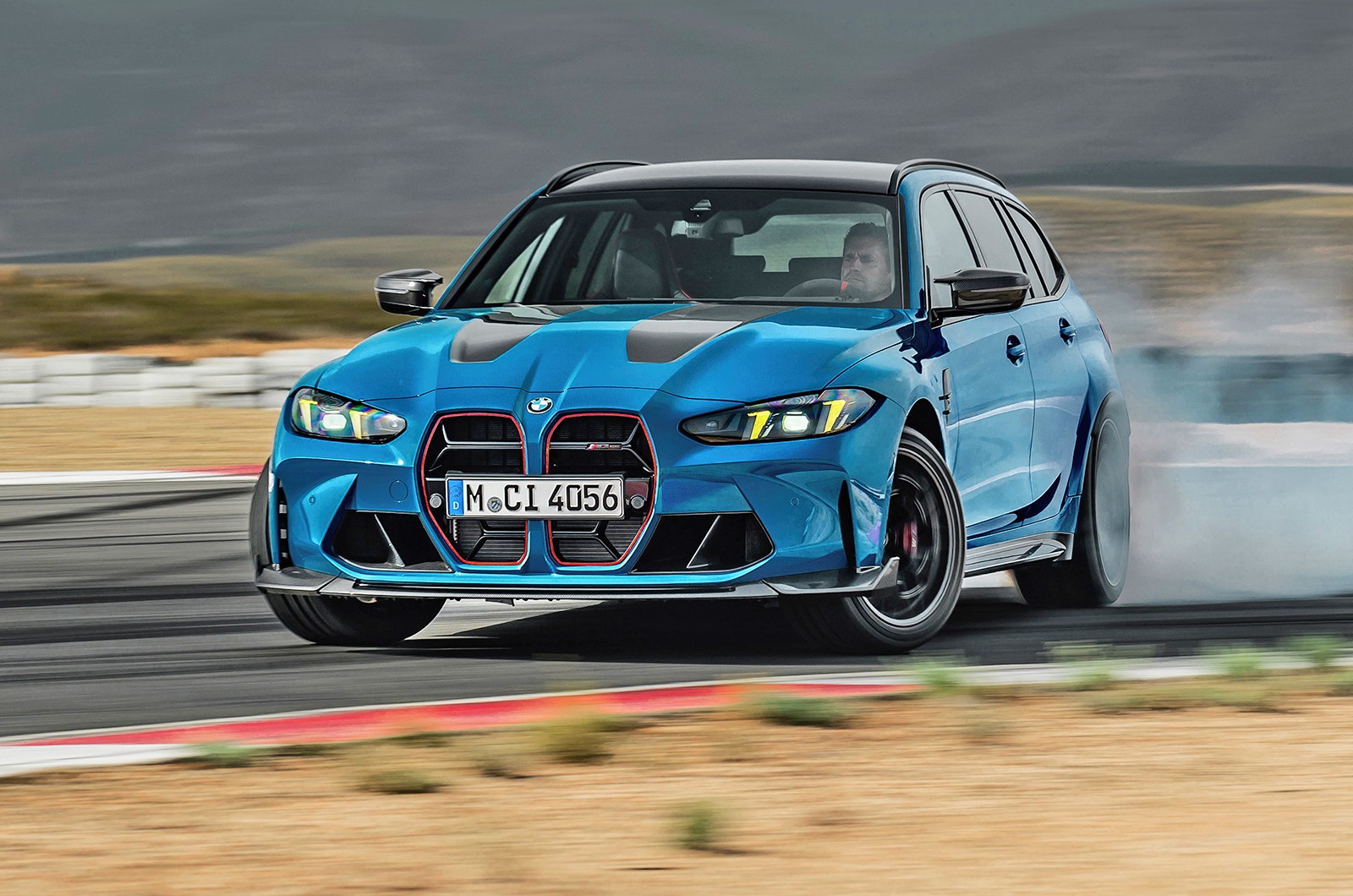
Consider the BMW M3 Touring. The hot wagon drew rave reviews globally. It’s still unavailable here. Take a look at other vehicles that never officially sold in America, listed in chronological order.
Renault 4
The Renault 4 wasn’t the fastest or flashiest model Renault ever produced. But it was an honest machine that handled the basics. Renault’s entry-level offering provided winter-ready front-wheel drive and a practical hatchback shape years before they became standard.
Sure, the dash-mounted manual shifter might have unnerved some drivers. Yet, this was straightforward, no-nonsense motoring.
Toyota Century
Toyota launched the Lexus brand in 1988 specifically to crack America’s growing luxury market. Lexus entered every class as a new player, but it wasn’t starting from scratch. Toyota had spent decades refining opulence by building the Century.
This flagship saloon remained exclusive to Japan for over 20 years. The second generation ran from 1997 to 2107 with a V12 engine. It serves as the official state car for the Emperor of Japan. The current third generation, introduced in 2017, runs on a V8 and is still in production.
Renault Rodeo
Utilitarian beach buggies never caught on in the US. Partly because the base platforms often weren’t sold here anyway. Citroën tried with the Mehari. It failed after just one year. American regulators mandated seatbelts. The Citroën folded.
We believe the Renault Rodeo might have fared better. It was more usable than the Mehari. Renault also understood the American market better than its French competitor.
Volkswagen SP2
Volkswagen’s Brazilian subsidiary operated with significant independence from Germany. The SP2 was engineered in Brazil exclusively for Brazilian roads. It relied on off-the-shelf parts. A chassis borrowed from the Type 3 (412). A 1.7-liter air-cooled flat-four.
Despite the utilitarian roots, its fastback-inspired styling made it one of the most beautiful Volkswagens ever.
Lancia Stratos
Lancia built the Stratos solely for homologation. It needed to meet racing regulations. Developing a small-run performance car is insanely expensive. Especially for a brand like Lancia, which has a history of financial instability. Selling it to Americans was ruled out immediately.
A shame really. The Stratos could have revived the brand’s sinking reputation.
Citroën GS/GSA
Citroën was actually preparing to launch the GS in the US. They shipped test cars to dealers. But then they hesitated. New safety regulations demanded a fixed ride height. The GS didn’t fit the bill. Citroën pulled the plug.
The Gap Between Markets
It’s funny how close these cars got to US showrooms. The GS was ready. The Rodeo was viable. Yet, regulations and brand strategy kept them out. America lost out on some genuine engineering gems in the process. The M3 Touring proves the demand still exists. We just have to look elsewhere for the good stuff.


