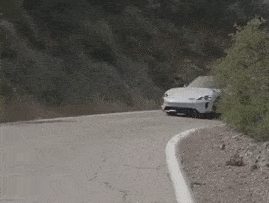
It starts with the concept. The Porsche Mission E made its debut in 2015, and its sleek silhouette foreshadows the distant future. For years, the car remained a source of speculation, a specter of what would become of Porsche. Now Car Magazine has confirmed that the car is beyond the design phase. It is in the final stages of development and is about to start production and delivery.
This is not a half-hearted compromise. This is a 100% electric 4-door sports car.
Where does it fit into the lineup? Porsche places this model between the luxury sedan Panamera and the legendary 911. It fills the gap between the two. It inherits the spirit of the 911 and combines it with the practicality of the Panamera without losing its aggressiveness.
Geneva showroom chaos
The reaction at the Geneva Motor Show was visceral. People didn’t just look; they circled. The interest is said to be so great that Porsche’s floor staff spend more time scrubbing tire marks from carpets than maintaining the display. Heads turned. Heads collided. Enthusiasts gathered around the low-slung electric coupe, and the contrast between its sporty stance and SUV-like features fascinated by
Yes, that’s right. A low-profile electric sports car with SUV features. The suspension is reinforced for rough terrain, suggesting versatility. It’s a confusing but compelling package. “Sports salon” in the broadest sense.
なぜこれが今重要なのか
ミッション E は電気革命に対するポルシェの答えですが、退屈になることはありません。 ほとんどの電気自動車は静かで無菌のボックスです。 これは違います。 生です。 運転しやすいように設計されています。
ミッション E は単なる電気自動車ではありません。 これは、パフォーマンスと持続可能性が妥協することなく共存できることを示しています。
この車は、ポルシェが運転体験を犠牲にすることなく電動化できることを証明しました。 愛好家にとって、これが本当に重要な唯一の指標です。
2019 年モデルはその約束を実現するものです。 長年の研究を経て、このマシンはその登場を発表しただけでなく、注目を集めました。 今問題なのは、それが成功するかどうかではない。 鍵は競争が維持できるかどうかだ。
The acceleration numbers alone are enough to check the pulse.
The Mission E concept car reaches 100 km/h from a standstill in just 3.5 seconds. This is too fast. This makes the car 0.1 seconds faster off the line than the Panamera Turbo with the Sport Chrono package. Porsche hasn’t just slapped a body kit on its SUV and called it a day. The company revealed that the production version strictly follows the technical information presented at the auto show.
Real-World Charging and range
You can’t talk about an electric Porsche without talking about the battery. Where the 800 volt architecture completely changes the game is the battery.
Porsche promises that the road version supports 800 V fast charging. This is not trickle charge. Charge the battery to 80% capacity in just 15 minutes. This charging speed enables long-distance electric driving. No more waiting for an hour drinking coffee.
But what about the range?
This concept car is rated for 500 km NEDC (New European Driving Cycle) standards. This is a lab test. Theoretical maximum value. in the real world? Expect it to drop. In real driving conditions, Mission E ‘s range can be 350 km to 400 km. While that’s lower than the brochure number, it’s still a respectable number for a performance electric car.
Design language
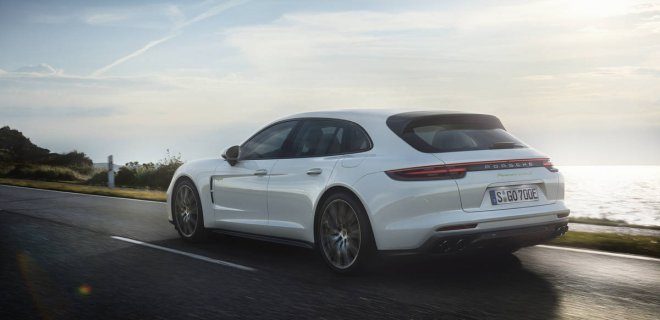
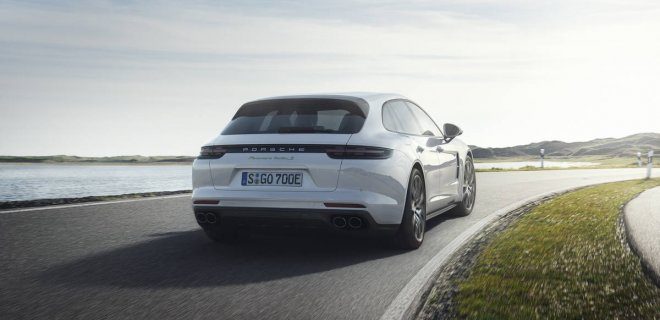
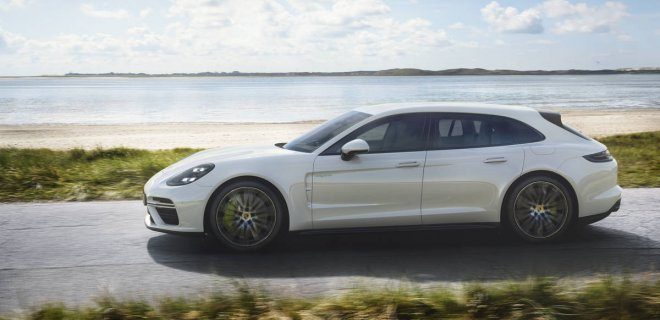
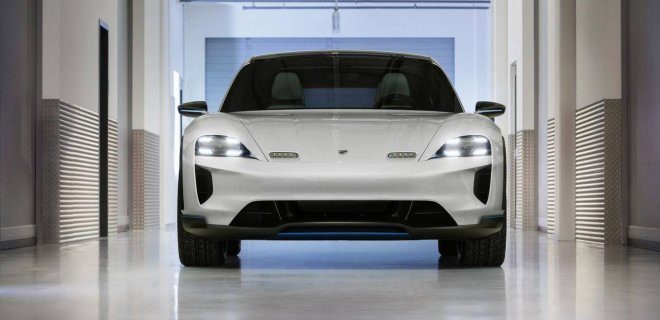
The design is just straight and narrow Porsche. This is not a crossover. This is a sedan. A 4-door coupe that seems to move even when stopped. The roofline narrows sharply. Wide and low front end, stylish LED headlights that cut through the darkness.
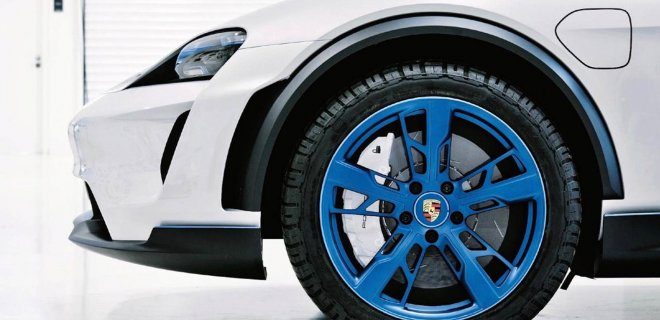
The side profile reflects its electric nature. There is no traditional fuel doors. Instead, you get a flush handle and a sleek, aerodynamic body. The wheels are big and fill the curves, suggesting that power awaits underneath.
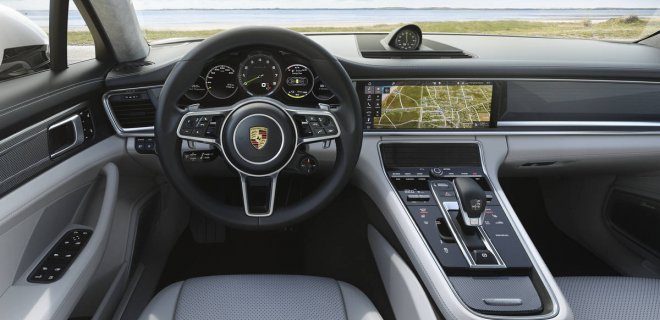
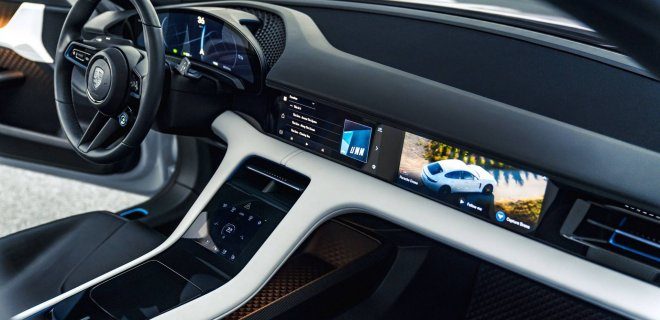
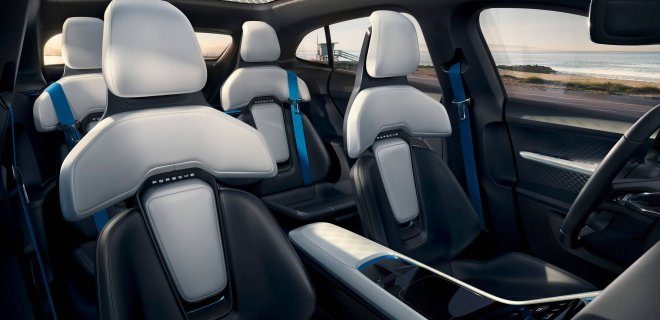
The interior is simple but luxurious. The center console is a sophisticated unit that includes the gear selector and driving modes. The display is large, intuitive and seamlessly integrated into the driver’s display. There will be no confusion. I have the ability to concentrate.
なぜそれが重要なのか
これは単なるコンセプトカーではありません。 これはポルシェに今後何が起こるかを予告するものです。 ミッション E は、ポルシェがパフォーマンスに妥協することなく電気自動車を製造できることを証明しました。 スーパーカーのような加速をします。 充電は速いです。 ポルシェみたいですね。
問題は、ポルシェが電気自動車を製造できるかどうかではない。 重要なのは、他の人が追いついていけるかどうかだ。 パナメーラ ターボ は速いです。 しかし、燃料は燃焼します。 ミッション E 燃える電子。 3.5 秒 で 100 km/h に達します。
テクノロジーはそこにあります。 デザインはそこにあります。 唯一欠けているのは、最終的なプロダクションの調整です。 しかし、それが登場すれば、ゲームチェンジャーとなるでしょう。 また。
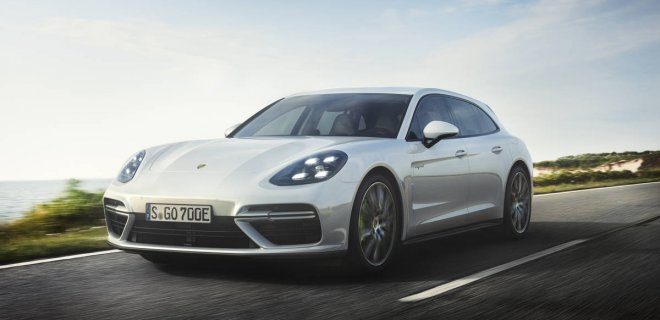
Porsche Mission E: The 2019 Electric Performance Benchmark
The numbers don’t lie. Porsche isn’t just dipping a toe into the electric pool; they are diving in with both feet. The 2019 Porsche Mission E, which eventually became the Taycan, was built to prove that an electric sedan could still deliver the visceral thrill of a internal combustion supercar.
Under the hood—or rather, under the floor where the battery pack lives—lies a twin-motor setup. It pushes out 402 horsepower. That might sound modest for a Porsche badge, but torque tells the real story. We are talking about 500 Nm of torque. Instantaneous. Available the moment you touch the pedal. No turbo lag. No waiting for revs to build. Just pure, linear shove.
How does that translate to the tarmac? In just 3.2 seconds, the Mission E rockets from 0 to 100 km/h. For context, that is supercar territory. It doesn’t feel sluggish because the power delivery is linear and immediate. You don’t feel the gears changing; you just feel the world blurring past the side windows.
Dimensions and Practicality
Size matters when you’re trying to fit performance into a daily driver. The Mission E measures 4850 mm long, 1990 mm wide, and sits low at 1300 mm high. That low profile isn’t just for style. It lowers the center of gravity, improving cornering stability and reducing body roll. It looks like a wide-hipped GT, and it drives like one.
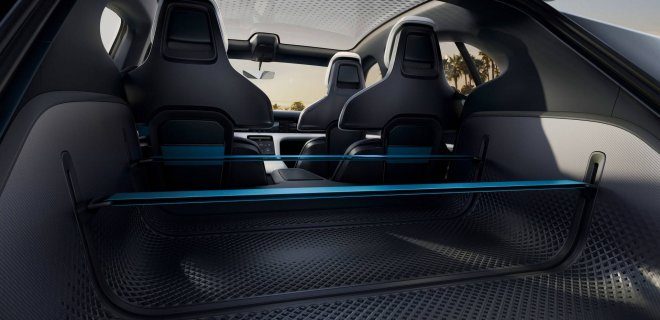
But can it actually carry your groceries? Yes. Porsche insisted on practicality. The trunk offers 450 liters of space. That is more than enough for a weekend getaway or daily commutes. It’s not a sports car with a shoebox trunk. It’s a usable four-door coupe that doesn’t force you to compromise on storage.
The Price Tag and Launch Strategy
Porsche has spent years refining its electric vehicle architecture. The goal was never just to make an EV. It was to make a Porsche EV. The company announced that the Mission E would hit the market in 2019, debuting to widespread acclaim at the Frankfurt Motor Show.
The question was always: how much will it cost? Porsche positioned the Mission E to compete directly with the Porsche Panamera in terms of pricing. They didn’t want to alienate their core customer base with a luxury tax. The expectation was a starting price around $80,000. At that price point, you aren’t just buying an electric car. You’re buying a high-performance machine with Porsche’s engineering pedigree.
Why did Porsche choose 2019? Because they were ready. They had spent years developing their 800-volt architecture, which allows for ultra-fast charging. This wasn’t a rushed prototype. It was a polished product designed to challenge Tesla and redefine what an electric performance car could be.
“The Mission E was the proof that electric power could be exciting, not just efficient.”
The launch in Frankfurt signaled more than a new model year. It marked a shift. Porsche was no longer just building cars for the road. They were building them for the future. And at 402
Taycan reality: naming and nuances
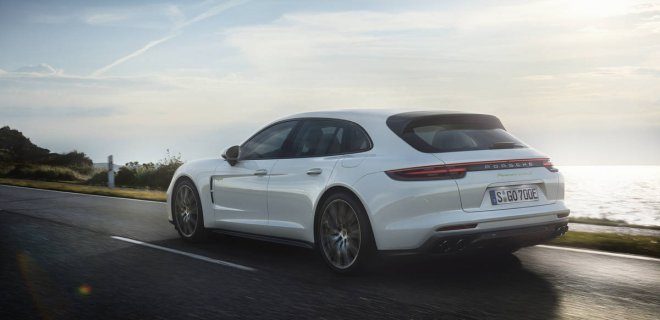
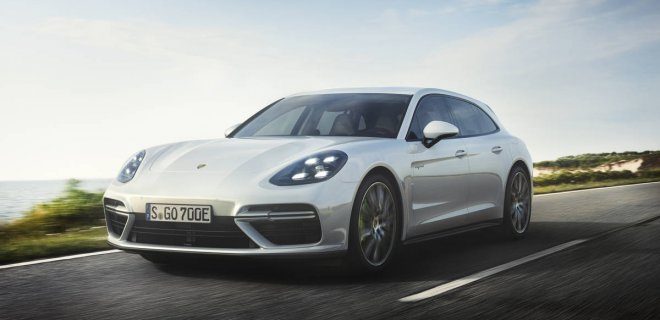
Let’s clear up any confusion that has remained from the beginning. The concept car you see here, the Porsche Mission E, arrived in 2019 as the Porsche Taycan. It wasn’t just a refresh. This is the final improved version of the prototype that promises to change everything. Porsche knew that the name had to carry weight. “Taycan” is a Turkish word that means a restless and fast-learning horse. That’s the atmosphere they want. It’s more than just an electric box, it’s an adaptive driver’s car.
The 2019 model you are looking at now is the first wave of this change. These are not the Mission E Cross Turismo (later launched with more ground clearance) or the Taycan Turbo S (soon to be launched as a top-of-the-range beast). The initial product range for 2019 is primarily focused on the Taycan 4S and the base version Taycan.
Under the Skin: 800-Volt Architecture
2019 年のほとんどの電気自動車は 400 ボルトのシステムで動作します。 タイカンはその常識を打ち破ります。 800 ボルト アーキテクチャ を使用しています。 これがドライバーにとってなぜ重要なのでしょうか?
- 高速充電: 過熱することなく、DC 急速充電器からより多くの電力を引き出すことができます。
- 効率: 電圧が高いほど、同じ電力に対する電流が少なくなり、ケーブルやコンポーネントの熱損失が減少します。
これはマーケティング上のでたらめではありません。 これがエンジニアリングです。 互換性のある 350 kW 充電器を使用すると、約 22 分で 5% から 80% まで充電できます。 これにより、距離不安に革命が起こります。 バッテリーは液冷式で、激しいラップ走行でも安定した性能を維持する3レベルシステムを採用。
Performance: Not only speed but also feeling
The 2019 Taycan 4S is a great choice for enthusiasts. I don’t think it’s as noticeable as the Turbo S.
- Power: The 4S produces 522 horsepower in launch control mode. With overboost on, horsepower jumps to 670 horsepower.
- Acceleration: Accelerates from 0-60 mph in just 3.8 seconds.
- Top speed: 155 mph (electronically limited).
However, the numbers do not reflect the torque vector. The rear axle is equipped with two separate motors. Power can be sent to each rear wheel separately. It’s not just about stability. It’s for cornering. When turning, a lot of force is applied to the outside rear wheel. The car rotates into the turn. It’s no different in the traditional sense, but it feels more mechanical.
The Taycan doesn’t just accelerate. The shape changes by controlling the torque between the four wheels.
Driving dynamics: Porsche DNA
Why do people buy Porsches instead of Teslas or Lucids? It’s the steering. The Taycan uses rear-axle steering in higher trims, but basic models also have an advanced four-wheel drive system. Low center of gravity. The battery sits flat in the floorpan.
The suspension is air, but not floating. It is very solid. Porsche has tuned it to resist body roll. You feel