The words “positive crankcase ventilation” sound like something a mechanic would say to scare you into buying an unnecessary part. These jargons are designed to make you scratch your head. However, the concept is not complicated. It’s actually a simple and elegant solution to a perplexing problem that has existed since the first internal combustion engines. To understand why your engine needs it, you need to understand the basic mechanism by which these engines burn fuel.
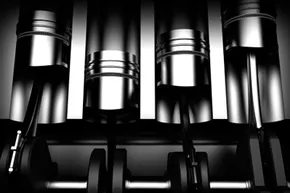
An internal combustion engine is basically a series of hollow cylinders. Inside each cylinder is a piston that slides up and down. The process starts when the mixture of air and gasoline is pumped into the intake manifold. This mixture enters the cylinder through the intake valve. The spark plug ignites the air-fuel mixture in the combustion chamber at the top of the cylinder. The resulting explosion forces the piston down. This linear motion rotates the crankshaft. The rotation of the crankshaft gives power to the transmission, which moves the car. As this cycle repeats, the piston rises and any remaining exhaust gases are expelled through the exhaust valve.
This is where things get messy.
Despite the sophistication of modern technology, there is no such thing as a perfect seal. A small amount of air and fuel mixture passes through the piston rings. These gases enter the crankcase, the area at the bottom of the engine where the crankshaft is. This type of leakage is called “blow-by”. This is inevitable. This is also undesirable. Unburnt fuel in the blow-by can contaminate the oil, form sludge and cause corrosion.
Until the early 1960s, manufacturers solved the problem by simply venting the crankcase. Allows air to circulate freely and releases blow-by gases directly into the atmosphere. It is very cheap. It’s very simple. It is also a significant source of pollution. This changed in the early 1960s. Engineers invented positive crankcase ventilation (PCV), a system that became the beginning of modern automotive emissions control.
Mechanical principle of PCV valve
Positive crankcase ventilation works by recirculating dirty blow-by gases. Instead of draining them out, the system returns them to the intake manifold via a valve (PCV valve). From there it is sucked into the cylinder and burned again.
This recycling process is problematic. The blow-by gases are mostly air. If there is too much air in the fuel mixture, the engine runs “lean”. A lean mixture has too little gasoline to burn efficiently. This can cause overheating and reduce performance. Therefore, the system requires a way to control the amount of recycled gas. It can’t just dump all the blow-by into the intake at all times.
This solution is based on pressure differences.
When the car is idling or driven at low speeds, the air pressure in the intake manifold drops. In reality, the throttle plate is almost closed, creating a vacuum. This vacuum is stronger than the pressure inside the crankcase. result? The vacuum sucks exhaust gas through the PCV valve into the intake. It burns harmlessly.
But what happens when you put it on the floor?
As the engine speed increases, the throttle opens wide. The pressure in the intake manifold increases. The vacuum effect is reduced. The amount of blow-by gas being sucked in decreases. This is exactly what you want. At high speeds, the engine does not require additional air into the crankcase. In some cases, the intake manifold pressure can actually exceed the crankcase pressure. If this happens without a check valve, the gas is forced back into the crankcase. This defeats the whole purpose of the system.
This is where PCV valve design becomes important. Works as a one-way check valve. When the intake pressure rises, the valve closes. Prevents backflow of gas. Keep the crankcase clean. The engine remains efficient.
When the intake pressure rises, the PCV valve closes automatically to prevent blow-by gases from entering the crankcase.
Because physics involves vacuum, pressure, and fluid dynamics, this sounds complicated. However, the goal is simple. It is to keep the crank case clean, reduce emissions, and reuse spent fuel. Without this simple valve, the engine will be filled with sludge and pumping hydrocarbons into the air.
The crankcase serves as an oil reservoir and is located in a pan below the crankshaft. Ideally, the crankshaft would rotate in the oil without mixing it, but this is not perfect. If rotating parts come into too much contact with oil, foam may form. It looks like a thick black milkshake. This aeration can destroy the lubrication. Even if foaming is avoided, oil vapors can still leak into the blow-by gases.
Recirculating these vapors back into the cylinder is a bad idea. The oil makes the mixture highly flammable. It’s like lowering the octane number of gasoline. In modern engines this can kill performance slightly. In older engines, the mixture can ignite prematurely and cause backfires. There will also be an oil film coats the intake. Over time, the airflow can become blocked.
If you drive a standard commuter car, these issues are manageable. You can clean away the build-up during routine maintenance. However, some drivers and manufacturers don’t want to wait for the problem to exist. They want to remove the oil before the blow-by gases gets into the intake. This is where the PCV System Air Oil Separator comes into play.
How Separators Extract Oil Before Recirculation
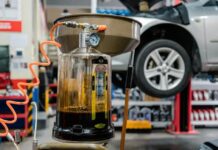
油气分离器在曲轴箱蒸汽到达进气歧管之前将油从曲轴箱蒸汽中提取出来。 分离出来的油要么回到曲轴箱,要么进入一个称为收集罐的小容器。 并非每辆车都有内置分离器。 并不是每辆车都需要一个。 但如果您想保持进气口清洁,您可以购买售后设备或自己建造一个。
这些系统有多种工作方式。 最常见的方法是使用网状过滤器。 油腻的空气吹过筛网。 网格捕获油滴。 洁净的空气从中穿过。 超细纤维过滤器在这里是最有效的。 它们甚至可以捕获最微小的油颗粒。
另一种设计使用侧面有孔的管子。 回收的气体沿着该管流动。 较轻的空气分子通过孔逸出。 较重的油滴落到底部。 您可以从那里删除它们。
一些先进的系统使用离心机。 这使混合物旋转,迫使较重的油滴从气流中排出。 油聚集在离心机的侧面。 从那里,它可以被引导回曲轴箱。
Positive crankcase ventilation system Frequently asked questions
** How does the PCV system work? **
When idling, the engine creates a high negative pressure. This pulls the PCV valve into the flow restricting position. The amount of recycled crankcase gas decreases. As the rotation speed increases, the vacuum level decreases. The valve opens wide. More gas returns to the intake.
** What happens if the PCV valve is damaged? **
A damaged or worn PCV valve can contaminate the engine oil. Sludge accumulation. There is an oil leak. Fuel consumption increases. These problems can cause irreparable damage to the engine.
How much does it cost to replace a PCV valve?
Prices vary depending on the type of fault. If you replace the entire valve, you can expect to pay between $65 and $83 in parts. It takes extra effort. Manufacturers recommend a regular replacement schedule.
** What are the signs of PCV valve failure? **
Check if the engine is misfiring or hesitates to idle. Check if the fuel consumption increases. Black smoke from the exhaust pipe is a warning. A dirty spark plug with oil confirms the problem.
What are the most common problems with PCV valves?
This is due to blockage. If the valve becomes clogged, it will not be able to absorb moisture or blowing gas from the crankcase. This forms sludge. Pressure builds up in the crankcase. Heated oil can pass through the seal and cause a leak.