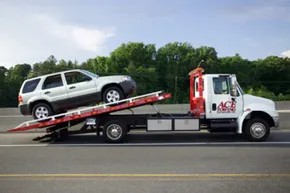
A pristine Mercedes-CLA and a rust-eaten Ford F-150 share one terrifying trait. Strip away the badge, the horsepower, the leather seats. They are both just metal shells. Useless ones. If the engine quits or a tire blows on a lonely stretch of highway, that luxury sedan is no better than the dented pickup.
That is when you need roadside assistance. Not a promise from a dealer. Not a prayer. A real plan.
Why You Actually Need a Roadside Assistance Plan
Most people treat roadside assistance like a nice-to-have. It’s not. It’s an insurance policy against the worst day of your driving life.
Programs from AAA, AARP, and even big-box retailers like Walmart offer the same core services. Towing. Flat tire changes. Lockout help if you’ve left your keys in the ignition. Battery jump-starts. Fuel delivery if you run dry. Some even offer minor mechanical fixes, though that’s rare.
You usually buy these for a year. Pay upfront or spread it out. Prices vary wildly. You can shell out $36 a year for the bare minimum or drop $100+ for the premium tier.
The rule is simple: you get what you pay for.
But price isn’t the only metric. Mileage limits matter. Service scope matters. A cheap plan might tow you three miles. A pricier one might tow you 100. That gap is the difference between a quick fix and a catastrophic tow bill.
Which Roadside Assistance Plan Fits Your Driving Needs?
Let’s look at AAA. It’s the standard bearer. Their Basic plan costs $52 a year. Sounds cheap? It is. But read the fine print.
Three miles of towing. That’s it. If your car breaks down five miles from the nearest shop, you pay the difference. Fuel delivery? You pay for the gas. RV towing? Not included. Motorcycle assistance? Nope.
Step up to Plus for $82 a year. Now you get 100 miles of towing. That covers most commutes and regional trips. Go to Premium for $105. You get perks like car-buying assistance and extra miles.
Do you need those extras? Maybe not. But ask yourself this: how much is your peace of mind worth when it’s 2 AM and raining?
Two things matter more than price. First, 24-hour coverage. Cars don’t break down on a schedule. Second, a policy that covers the driver, not the vehicle. If you rent a car or drive a friend’s broken-down sedan, you want the plan to follow you.
Hidden Traps in Roadside Assistance Coverage
Insurance companies watch you. They track your calls.
If you call for help constantly, your premiums might rise. It’s a risk factor. You’re seen as a high-maintenance driver.
Also, know what isn’t covered. Stuck in snow? Usually your problem. Flooded road? Not their fault. These are exclusions. Read the policy. Don’t assume “roadside assistance” means “I will rescue you from anywhere, anytime.”
And check your new car paperwork.
Do You Already Have Roadside Assistance?
Before you buy a plan, look at your glovebox. Or your warranty booklet.
Many manufacturers bundle roadside assistance with new cars. It’s often included for the duration of the warranty—three to five years typically. Mercedes, Ford, Toyota, they all do it.
If you have a new car, you might already be covered. Don’t double-dip. Check the details. If your coverage expires soon, then start shopping.
The goal isn’t to save money. It’s to avoid being stranded. That’s the real value.