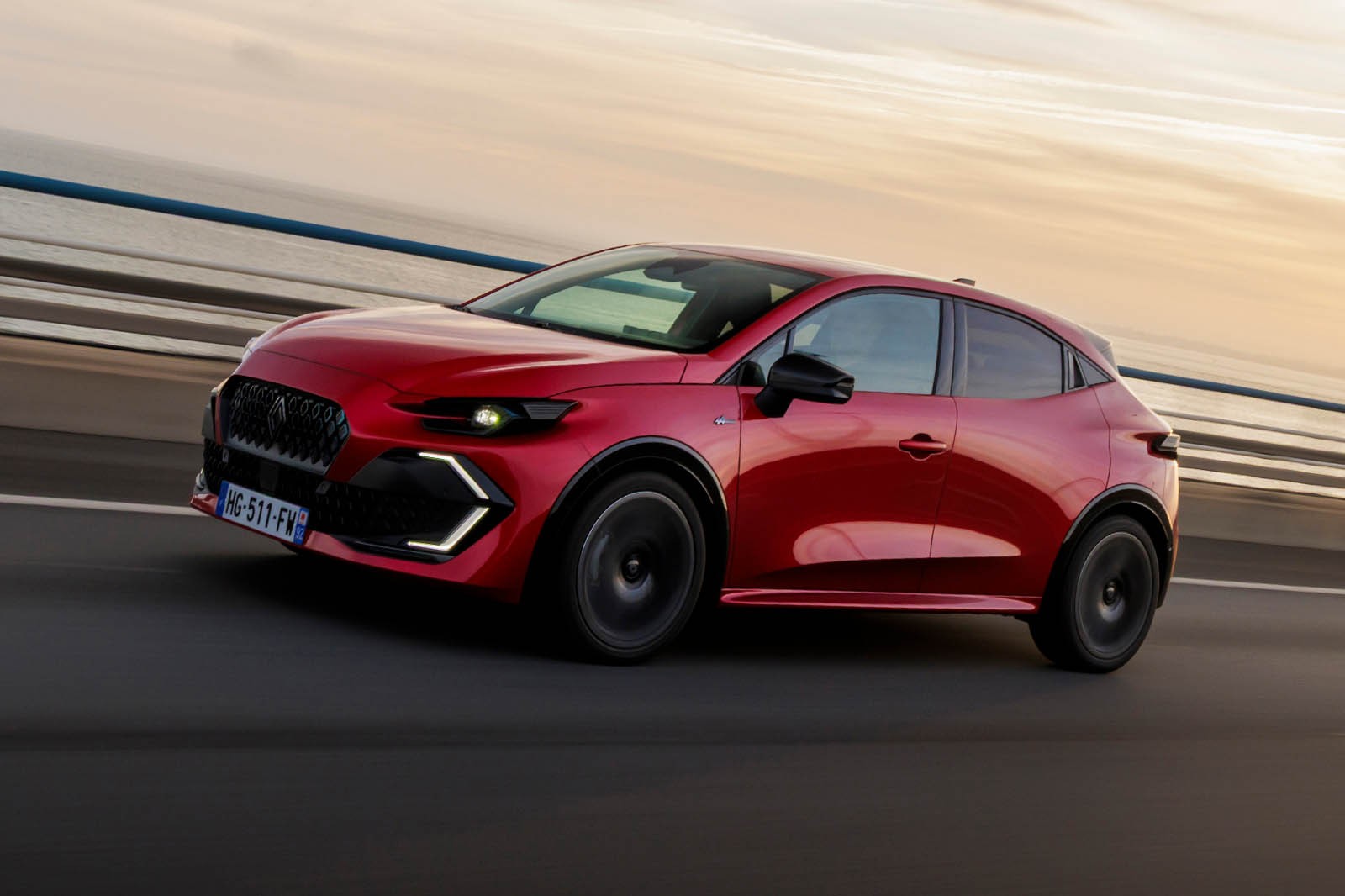
The 2025 Renault Clio arrives with subtle but significant changes, building on the success of its predecessor while facing increasingly competitive market pressures. The updated model features a larger footprint—67mm longer and 39mm wider—but retains the familiar CMF-B platform shared with the Nissan Juke and other Renault-Nissan-Mitsubishi vehicles. This means the core driving experience remains largely unchanged, though powertrain options have been tweaked for improved performance and efficiency.
Powertrain Updates: More Power, Same Complexity
Renault has revised both the gasoline and hybrid powertrains. The base TCe engine now delivers 114bhp, a 25bhp increase, while the E-Tech full-hybrid powertrain sees a 15bhp bump to 158bhp. The key change in the hybrid system is the adoption of a larger 1.8-liter engine (previously 1.6-liter), sourced from the Dacia Bigster, optimized for Euro 7 compliance and boasting a 40.5% thermal efficiency.
This hybrid setup remains complex, featuring a clutchless four-speed gearbox and a two-speed transaxle with an integrated electric motor. While sometimes unpredictable, the system delivers a respectable 0-62mph time of 8.3 seconds—a full second faster than the previous model. A dual-fuel (gasoline/LPG) variant exists with a 900-mile range but won’t be available in the UK due to limited LPG infrastructure.
Handling and Suspension: Familiar Territory
Despite the larger dimensions, the Clio’s handling remains consistent across trims. Renault claims to have tuned each version (differing weights) to handle identically, meaning the more expensive Alpine-badged models offer no handling advantage. The suspension setup—passive dampers, coil springs, front MacPherson struts, and a torsion-beam rear—is unchanged, focusing on predictable behavior rather than sporty dynamics.
The new model does offer the option of 18-inch wheels, a first for the Clio, but the increased body size allows for appropriate sidewall height without compromising ride comfort.
Interior and Tech: Modern, But Not Without Compromises
The interior has been updated with a single angled digital display merging the previous portrait-oriented touchscreen and instrument binnacle into two 10-inch screens. While ergonomically sound, this centralization of controls moves major ventilation adjustments onto the touchscreen, reducing usability compared to the previous rotary dials.
However, the shift to a steering column-mounted gear selector (Mercedes-style) frees up useful storage cubbies in the center console, including two standard USB-C ports. The biggest addition is the integration of Google’s OpenR Link multimedia system, offering seamless Google Maps and access to 100+ apps via the Google Play store. Renault executives are particularly excited about Gemini, Google’s AI assistant, though its performance with varied British accents remains untested.
The interior quality is mixed; hard plastics dominate the dash and door bins, while the steering wheel and associated switchgear remain surprisingly plush. The removal of the light upholstery accents from the current model in favor of a “sportier” aesthetic may disappoint some buyers.
Practicality: Trade-Offs in Space
The Clio gains a slight increase in rear legroom due to the extended wheelbase, but headroom remains poor. Boot capacity varies significantly between models: the gasoline version offers 391 liters (comparable to larger cars), while the hybrid version manages only 309 liters due to the battery pack. This makes the hybrid Clio less spacious than both the Renault 5 and the 4, potentially influencing buying decisions among brand loyalists.
Conclusion: The 2025 Renault Clio represents a sensible evolution rather than a radical overhaul. The updated powertrains deliver improved performance and efficiency, while the interior tech integration is a welcome addition. However, compromises in practicality (especially boot space in the hybrid) and interior quality may give potential buyers pause. The Clio remains a solid choice in the competitive supermini segment, but it doesn’t quite leap ahead of its rivals.