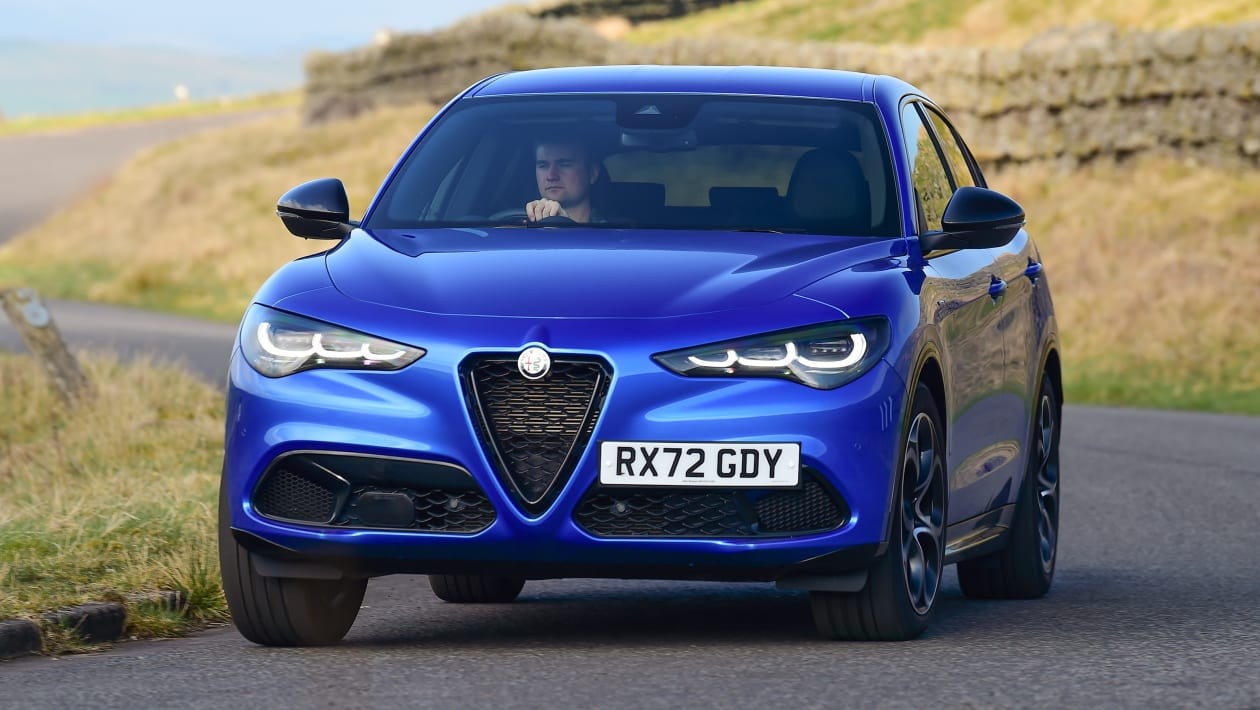
Alfa Romeo’s ambitious revival plan has hit a major snag: the launch of its next-generation Stelvio SUV and Giulia sedan is now delayed by two years. This setback stems from rapid changes in the automotive industry, particularly surrounding electric vehicle (EV) adoption and tightening regulatory pressures in Europe and the US. The brand’s CEO, Santo Ficili, confirmed that Alfa Romeo is fundamentally re-engineering its upcoming models to accommodate a broader range of powertrains, including internal combustion engines (ICE), plug-in hybrids (PHEV), and full electric options.
The Pivot Away from All-Electric Plans
Originally, Alfa Romeo had committed to an all-electric future to meet increasingly strict emission standards. However, slowing consumer demand for EVs, combined with policy shifts – such as the US scaling back EV incentives and the EU softening its 2035 deadline for phasing out ICE vehicles – have forced a dramatic reassessment.
“We need to change everything,” Ficili stated, emphasizing the scale of the overhaul. “We need to go from only-BEV to all the other powertrains.”
This requires a complete redesign of platforms, electronic architectures, and connectivity systems, impacting not just Alfa Romeo but also other brands within the Stellantis automotive group.
The STLA Large Platform and Powertrain Flexibility
The core of this shift involves integrating the STLA Large platform, already used in the Jeep Wagoneer S and Dodge Charger. This chassis is capable of supporting both powerful electric motors (up to 661 horsepower) and a high-output inline-six gasoline engine (“Hurricane”) with up to 542 horsepower. While Alfa Romeo is considering the latter, European emission targets may limit its viability.
The company is now leaning towards PHEV options alongside full EVs for the European market. However, even this approach faces challenges, as Jeep and Chrysler have moved away from PHEVs in favor of range-extender hybrids, which Alfa Romeo deems unsuitable for its performance-focused brand identity.
Staying the Course with Existing Models
The delay means extending the lifespan of the current Stelvio and Giulia models until at least the end of 2027. The high-performance Quadrifoglio trim, equipped with a twin-turbo six-cylinder engine, will remain available – with orders reopening in April 2026. Lower-spec engines (2.0L turbo and diesel) are being phased out in Europe due to emissions regulations.
Alfa Romeo will maximize revenues from these aging flagships, including limited editions like the Giulia Luna Rossa (priced at over six figures) to sustain the brand during the transition.
Leveraging Smaller SUVs for Growth
The company is banking on strong sales from its smaller SUVs, the Junior and Tonale, to offset losses in other segments. The Junior has already received 60,000 orders since its launch in 2025, while the Tonale has sold 100,000 units since 2022. Overall, Alfa Romeo sold approximately 70,000 cars in 2025, representing a 19% global increase and a 29% rise in Europe, despite facing tariff challenges in North America.
Despite these gains, Alfa Romeo’s sales remain significantly lower than industry leaders like BMW, which delivered over 2.16 million vehicles in the same period.
In conclusion, Alfa Romeo’s redesign delays reflect a broader industry trend: adapting to unpredictable market forces and regulatory changes. The company must now balance its ambitions for electrification with the realities of consumer demand and emissions compliance. The future of Alfa Romeo hinges on successfully integrating flexible platforms and powertrains while maintaining its brand identity amid a rapidly evolving automotive landscape.