Amazon is rapidly expanding its presence in the automotive market, partnering with major manufacturers like Ford and Hyundai to streamline car sales online. The shift reflects a growing consumer preference for transparent, hassle-free purchasing experiences, and a willingness to trade traditional dealership interactions for convenience. This isn’t just about buying everything on Amazon; it’s about fundamentally reshaping a historically complex, often frustrating process.
Why Automakers Are Embracing Online Sales
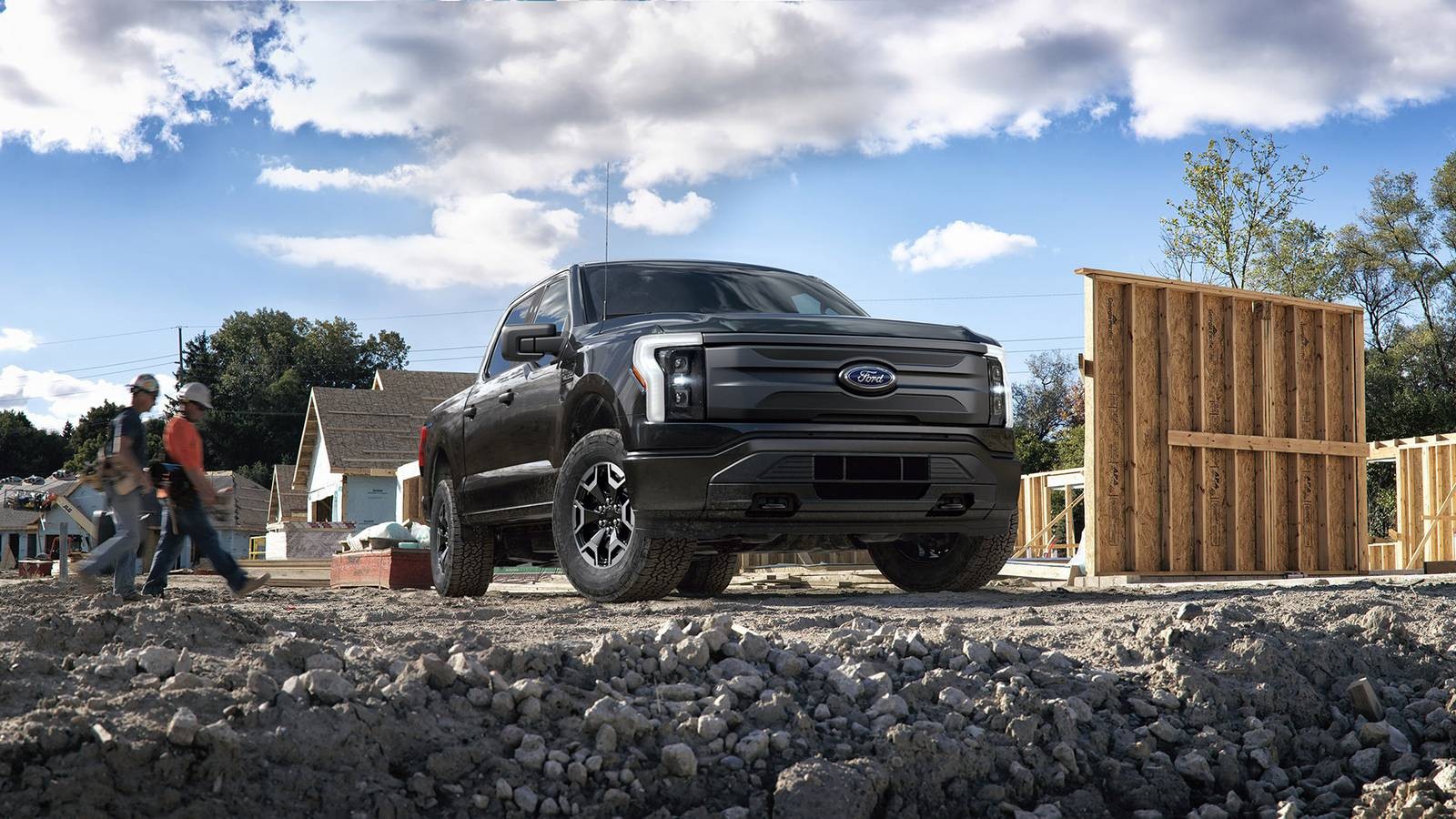
For decades, car buying involved negotiation, inventory costs, and the often-unpleasant experience of traditional dealerships. Ford CEO Jim Farley recognized this inefficiency years ago, noting that physical retailers could adapt to Amazon’s dominance by integrating e-commerce and leveraging their existing infrastructure. Today, Ford is choosing Amazon as a strategic partner to deliver haggle-free pricing, remote pickup/delivery, and a streamlined digital experience. Hyundai has gone further, listing 71% of its sales volume on Amazon Autos, demonstrating the scale of this transition.
The Shift Towards Fixed Pricing And Trust
One key change is the elimination of negotiation. On Amazon Autos, the price is the price—consistent with the platform’s approach to other products. This isn’t about automakers giving up control, but rather responding to consumer behavior. According to Thomas J. Thompson, Chief Economist at Havas Edge, buyers are increasingly willing to forgo perceived negotiating power to avoid the stress and uncertainty of traditional car buying. “A fixed price eliminates uncertainty, and a familiar transaction flow reduces hesitation.”
This aligns with broader trends: consumers trust Amazon as a reliable broker, and the infrequent nature of car purchases makes dealerships feel alienating. By offering a transparent, predictable experience, Amazon and its partners are tapping into a growing demand for emotional friction reduction.
What Buyers Gain (And Lose) In The Amazon Model
Amazon’s approach isn’t about eliminating dealerships entirely. Dealers retain service and maintenance roles, while Amazon handles the initial sale. Buyers benefit from a storefront with filtered models and brands, but test drives are largely absent. Robbie DeGraff, Product and Consumer Insights at AutoPacific, argues this isn’t necessarily a loss: “The traditional franchised dealership model is broken, and truly a terrible way to buy a vehicle.”
Dealers may eventually transition into primarily service outlets, a potentially better outcome for both consumers and dealerships. The move towards fixed pricing also reflects the reality that new cars often have limited negotiation room anyway. The perceived “savings” from haggling rarely outweigh the time and frustration involved.
The Future Of Car Sales: Transparency And Control
New automakers like Slate and Scout are already bypassing traditional dealerships altogether, driven by cost pressures and consumer preferences. Tesla and Rivian have also pioneered direct-to-consumer sales where franchise laws allow. Thompson emphasizes that transparency and control are key: “Brands like Tesla, Rivian, Scout…are responding to a clear signal that buyers want consistency and control.”
While franchise laws will likely preserve the dealer structure, the Amazon model is forcing automakers to adapt. The goal is to eliminate the “ick” of the purchase process, making car buying as seamless as ordering any other product online.
Ultimately, this transformation isn’t just about convenience; it’s about reshaping an industry built on outdated practices. By leveraging Amazon’s logistics and trust-based platform, automakers are betting on a future where car buying is faster, easier, and more transparent.