


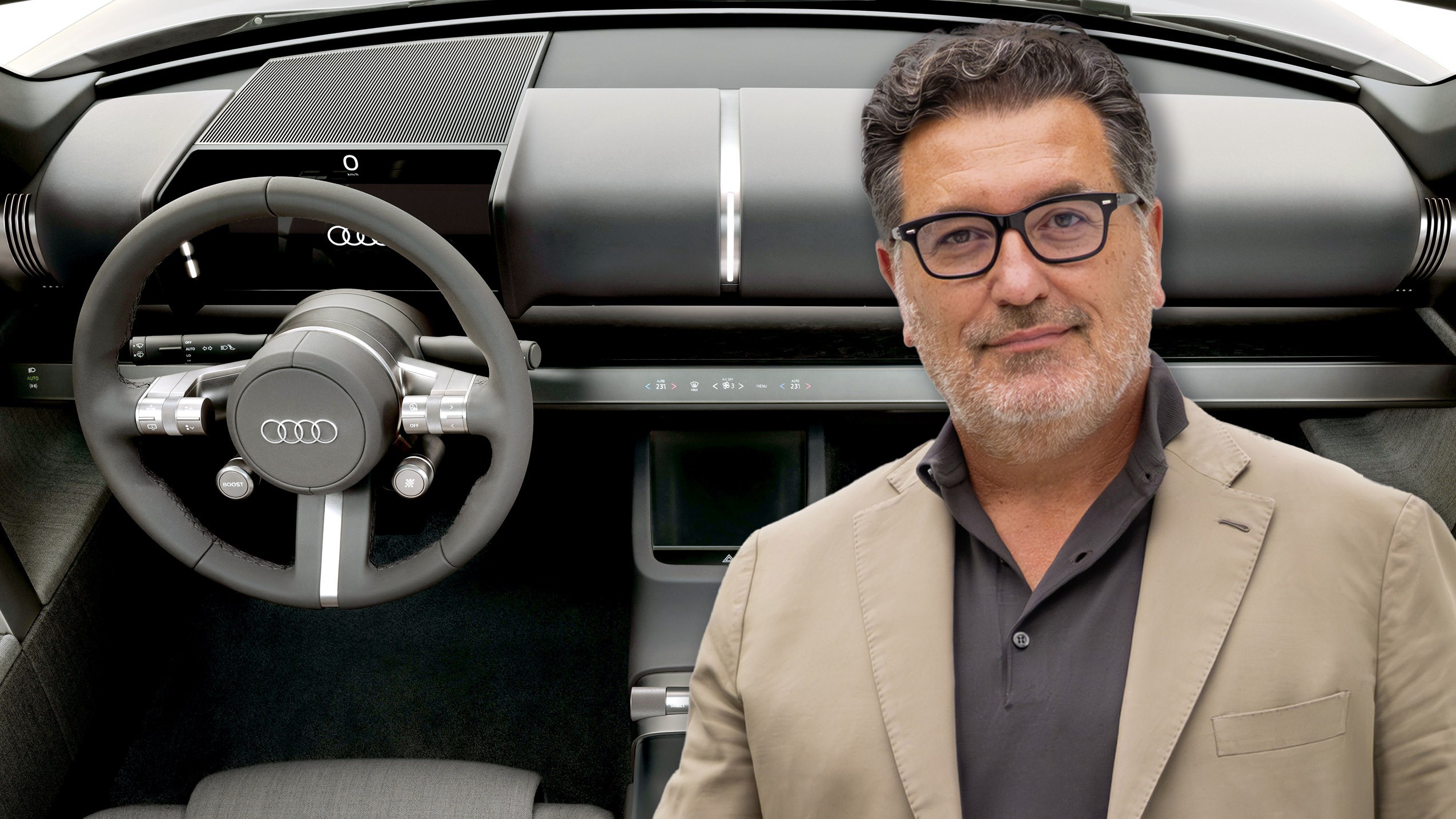
Audi’s top designer, Massimo Frascella, is challenging the automotive industry’s relentless push for bigger and more ubiquitous touchscreens. In a recent interview, Frascella openly questioned the value of oversized displays, arguing they often represent “technology for the sake of technology” rather than improved usability. This marks a potential turning point for Audi, which has previously participated in the trend toward increasingly digital interiors.
The Screen Fatigue Trend
For years, automakers have engaged in a competition to integrate larger screens into vehicle dashboards, sometimes at the expense of physical controls. This push has been driven by the perception that bigger is better, with some manufacturers even adding rear-seat “widescreen TVs.” However, growing complaints about distracting infotainment systems and complex touchscreen menus suggest the tide may be turning. Drivers are increasingly frustrated with endless, layered interfaces that demand more attention than they provide convenience.
Frascella’s Vision: Discipline Over Display
Frascella, who joined Audi in 2024 after a tenure at Land Rover (where minimalist, tactile interiors are the norm), is advocating for a return to simplicity. His design philosophy centers on four pillars: clarity, technical precision, intelligence, and, crucially, emotional resonance. Unlike forced emotion through flashy features, Frascella believes a genuinely engaging interior should emerge from thoughtful execution.
“Audi has always been at its best when it has been confident… you have to listen to what the customer needs, then find your own way to deliver that with your brand experience, not like everyone else.”
The C Concept: A Glimpse of the Future
Audi’s upcoming C Concept provides a tangible example of this shift. Images reveal versions of the vehicle without a central touchscreen at all. Where screens are present, the design closely resembles interiors found in Land Rover and Range Rover models—a clear indication of Frascella’s influence. This is a deliberate departure from the industry’s screen-heavy direction.
Why This Matters
The move suggests that Audi is willing to buck trends and prioritize user experience over superficial features. The automotive industry has been grappling with the unintended consequences of over-reliance on screens, including increased distraction and driver frustration. Audi’s decision could set a new standard, encouraging other manufacturers to reconsider the role of touchscreens in modern vehicles.
Whether Audi can fully implement this vision across its entire lineup remains to be seen, but the signal is clear: the era of endless screens may be drawing to a close.


