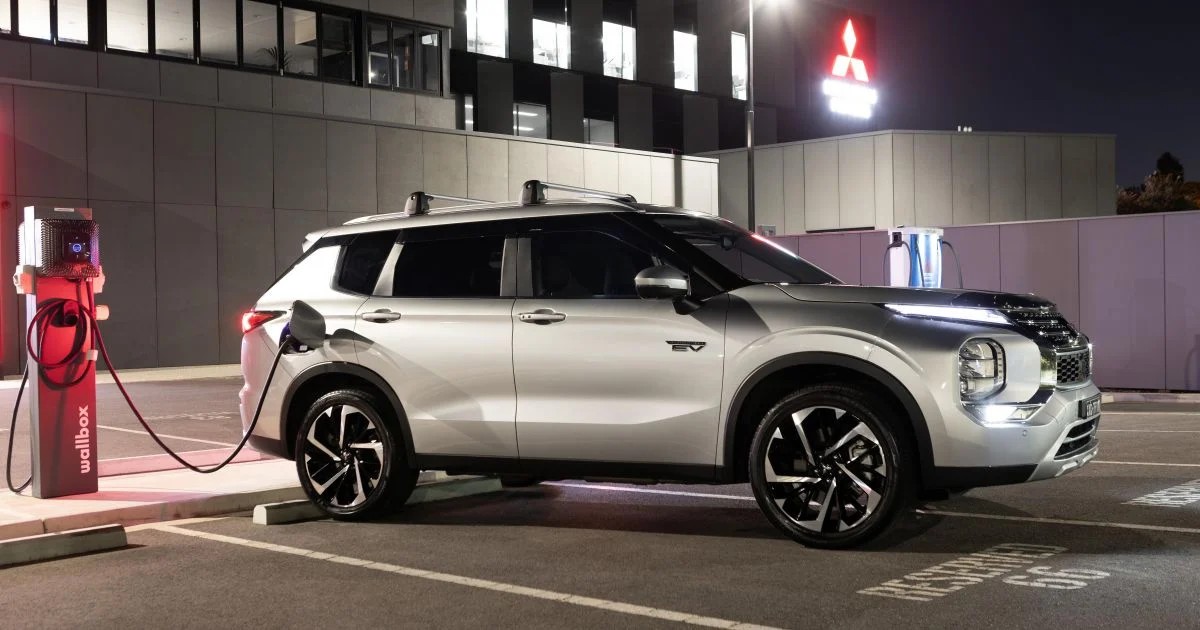
The Australian government is launching a national Vehicle-to-Grid Network (VGN) designed to encourage electric vehicle (EV) and plug-in hybrid (PHEV) owners to feed electricity back into the national power grid. This initiative, led by Climate-KIC Australia and the University of Technology Sydney’s Institute for Sustainable Futures (ISF), marks a significant step towards integrating EVs not just as transportation, but as distributed energy resources.
What is Vehicle-to-Grid Technology?
The core idea behind V2G is simple: EVs, when plugged in, can act as mobile batteries. Bidirectional charging technology allows these vehicles to both draw power from the grid to charge and return excess energy when needed. This means EV owners could potentially be paid for contributing power, making their vehicles a source of income as well as transportation.
Why this matters: Australia’s energy grid is aging and increasingly reliant on renewables. V2G could stabilize the grid by providing a flexible, decentralized source of energy storage. The country’s commitment to EVs via the National Electric Vehicle Strategy (2023) and the new Vehicle Efficiency Standard (NVES) makes this a logical next step.
Funding and Rollout
The VGN will be funded through the Australian Renewable Energy Agency (ARENA), the RACE for 2030 CRC (which already has $68.5 million in government funding), and contributions from industry partners like the Electric Vehicle Council and JET Charge. The project has received an initial $1 million in federal funding.
The network will focus on standardizing equipment compatibility and building public awareness through educational resources and events. South Australia is already ahead, having allowed V2G transfers since May 2024 for Mitsubishi Outlander and Eclipse Cross PHEV owners, who can sell power back to SA Power Networks (SAPN).
Technical Details and Growing EV Market
Bidirectional chargers convert electricity between AC (grid) and DC (battery) formats, enabling both charging and discharging. This technology facilitates not just V2G but also V2H (vehicle-to-home) applications.
The rollout comes as EV adoption in Australia accelerates. Market share has grown to 8.5% of new vehicle sales, the highest recorded to date, aided by falling EV prices. The BYD Atto 1, now the cheapest EV in Australia at $23,990, exemplifies this trend. By late 2025, nearly 30% of new light-car sales were electric, hybrid, or plug-in hybrid.
“We’re creating the space for industry, government and researchers to share what’s working, make sense of emerging technologies together, and identify opportunities to accelerate bidirectional charging at scale and make EVs a win for people, businesses and the grid,” said Climate-KIC Australia CEO Chris Lee.
In short: Australia is positioning itself as a leader in EV grid integration, aiming to turn electric vehicles into a key component of its future energy infrastructure. The success of this program will depend on consumer adoption, standardized technology, and ongoing investment.