The Australian electric vehicle conversion company AUSEV has entered receivership, with its parent firm BossCap citing a sudden shift in Ford’s global strategy as the primary cause. The collapse impacts approximately 100 employees and leaves customers with potentially stranded warranties.
Background: AUSEV’s Role in the Australian Market
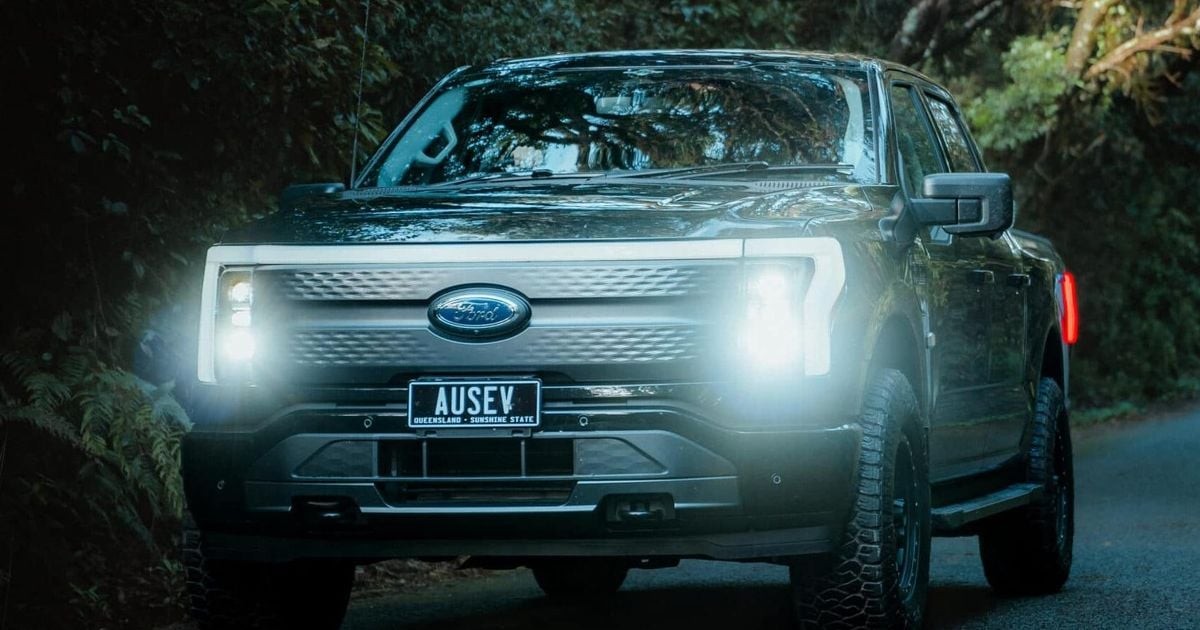
Established in 2012, AUSEV specialized in importing Ford F-150 Lightning electric pickups and converting them to right-hand drive for the Australian market. The company served both fleet and individual customers, including Brisbane Airport and BHP, capitalizing on the lack of official electric F-150 availability from Ford Australia.
Ford’s Strategic Shift and Its Consequences
In December 2025, Ford abruptly discontinued the F-150 Lightning after just four years of production. The automaker refocused its electric vehicle development toward extended-range electric vehicles (EREVs) – hybrids with gasoline generators – a move that directly undermined AUSEV’s business model.
The decision to kill off the F-150 Lightning was said to be part of a strategic switch on battery-powered vehicles.
Despite growing sales and market interest, AUSEV’s supply pipeline was “significantly disrupted” by Ford’s decision. The company relied almost entirely on the Lightning for its EV conversions, leaving it vulnerable to changes in Ford’s production plans.
Final Days and Receivership
Just one day before BossCap was placed into receivership on March 17, 2026, AUSEV advertised continued F-150 Lightning deliveries on social media, selling the pickup for around $109,990 AUD. The receivers have suspended operations while assessing the business and are currently unable to fulfill warranty obligations.
Shift Away From Conversions
The collapse follows BossCap’s earlier decision to end local conversions of combustion-powered vehicles through its SCD Remanufactured Vehicles subsidiary in March 2024. The company had previously specialized in right-hand drive conversions of American trucks like the Ram 1500, but the focus shifted to EVs before ultimately faltering.
The AUSEV case underscores the risks inherent in relying on third-party vehicle supply for niche conversion markets. It also raises questions about the long-term viability of aftermarket EV conversions in the face of shifting manufacturer strategies.