Automakers globally have long used China for production, but a significant shift is now underway in Australia, with Japanese and Korean brands leaning heavily on Chinese manufacturing to meet local demand. This trend, which began with the 2004 Volkswagen Polo Classic, has accelerated in recent years as brands like Tesla, BMW, Volvo, and Polestar started sourcing models from Chinese factories.
The Rise of Chinese-Built Vehicles
In 2023, vehicles manufactured in China surpassed those from Thailand in sales volume in Australia, making China the second-largest production source for new cars behind Japan. This shift is driven by cost advantages and the availability of right-hand drive production, particularly for electric vehicles (EVs). Kia’s EV5 and Hyundai’s Elexio, both sourced from China, offer lower base prices than their Korean-built counterparts, making them attractive options for Australian consumers.
The Elexio, developed primarily for the Chinese market, fills a gap in Hyundai’s lineup between the Kona Electric and Ioniq 5. Kia’s EV5 has already proven popular, becoming the fourth best-selling EV in Australia last year.
Japanese Brands Follow Suit
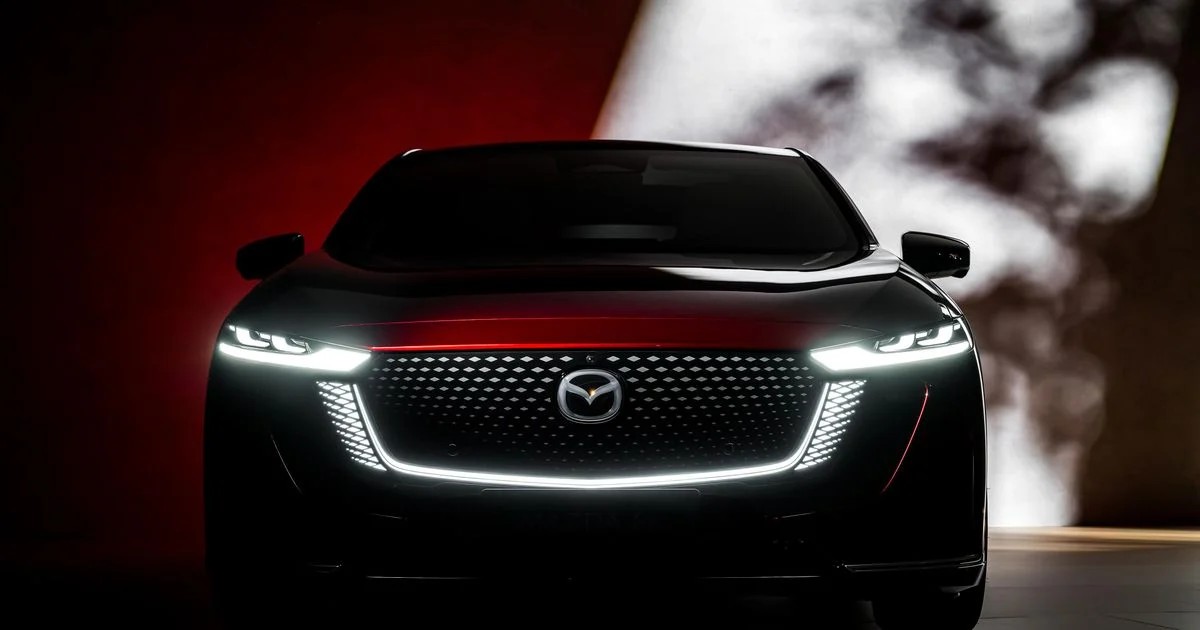
Japanese automakers, including Mazda and Nissan, are also increasingly turning to China for production. Mazda, lagging in the EV space, is leveraging its joint venture with Changan (Deepal) to export new EV models, such as the 6e liftback and CX-6e crossover. These vehicles will fill gaps in Mazda’s lineup, replacing discontinued combustion models and providing electric alternatives to existing SUVs.
Unlike earlier rebadges, these new Mazdas use Chinese platforms and powertrains, signaling a deeper integration of Chinese manufacturing into their global strategy. The 6e is set to compete with the Tesla Model 3, while the CX-6e will enter the highly competitive mid-size SUV segment.
Nissan’s Expansion into PHEVs
Nissan is also joining the trend, with plans to launch the Frontier Pro, a plug-in hybrid ute developed by its Chinese joint-venture partner Dongfeng. This will be Nissan’s first PHEV model globally and first electrified ute, entering a market where BYD’s Shark 6 has already achieved success.
The Frontier Pro was developed by Dongfeng and based on the Z9, and is expected to compete with other plug-in hybrid utes from Ford, GWM, Chery, and JAC.
Why This Matters
The increasing reliance on Chinese manufacturing in Australia’s auto market has implications for supply chains, pricing, and consumer choices. As more brands adopt this strategy, it could lead to lower vehicle costs but also raises questions about quality control and geopolitical dependencies. The shift reflects a broader trend of global automakers prioritizing efficiency and market access over traditional manufacturing loyalties.
This trend highlights the growing importance of the Chinese automotive industry as a key player in the global market, shaping the future of car production and distribution.