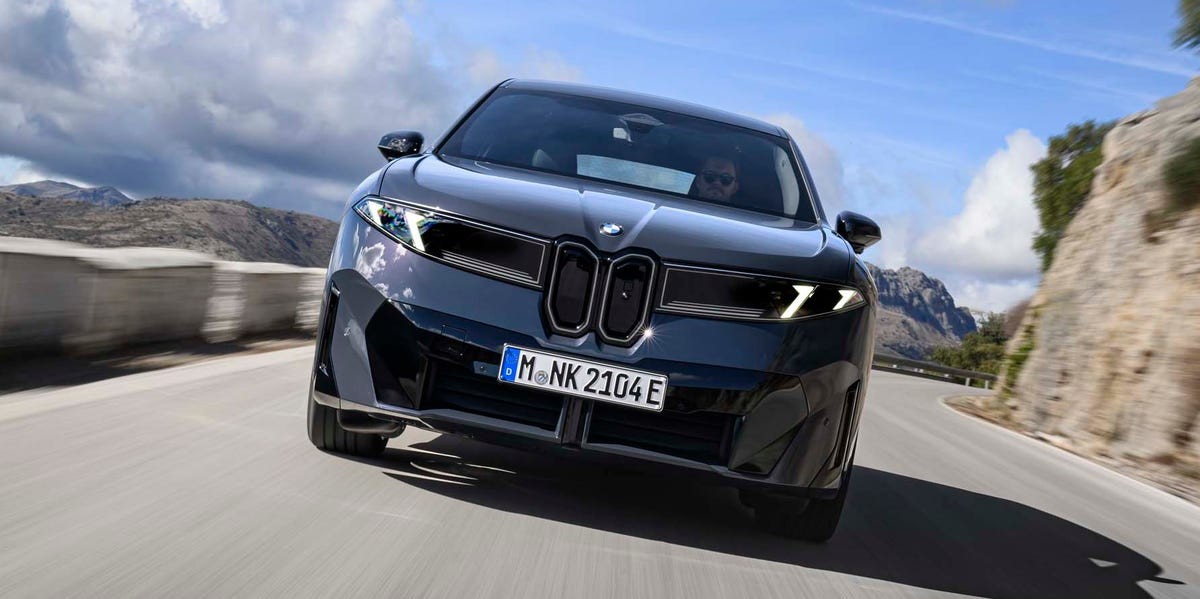
BMW has quietly updated its world-famous logo, making minor changes that most observers will likely miss. The refresh, which debuted on the 2027 BMW iX3 electric SUV, reflects the brand’s broader move toward a minimalist aesthetic with the upcoming “Neue Klasse” design language.
The Changes Explained
The alterations are deliberate but subtle. The most noticeable difference is the removal of the inner chrome ring, and the exterior black surround now has a matte finish instead of a glossy one. These changes are so understated that they would likely go unnoticed by the average consumer. The core elements—the black ring encircling the blue-and-white quadrants representing the Bavarian flag—remain unchanged.
Why this matters: Brand identity is crucial for automakers, especially luxury brands like BMW. A logo is one of the most recognizable assets, and even minor tweaks can signal broader design shifts. The subtlety here suggests BMW aims for refinement over radical change.
A Century of Branding
BMW’s logo has deep historical roots, dating back to the company’s origins in aircraft engine manufacturing in the early 1920s. Initially, it featured a horse head within a circular frame, reflecting the company’s early focus on aviation. The blue-and-white quadrants were adopted later, inspired by the Bavarian flag and the coat of arms of the Wittelsbach dynasty—a lineage tracing back to 10th-century Bavaria.
Common misconception: Despite popular belief, the blue-and-white quadrants do not represent an aircraft propeller. The design is heraldic in origin, not aviation-related.
Design Evolution and Future Direction
BMW’s design approach has fluctuated over the years, with some recent models, like the current M3, attracting criticism for their aggressive styling. The Neue Klasse platform is expected to usher in a more refined era for the brand. The logo refresh aligns with this shift, indicating a commitment to understated elegance. The M Performance badge is also slated for an update, though it’s expected to be equally subtle.
Looking ahead: The logo change is part of a larger strategic move. BMW is betting that less is more—a refined approach that could resonate with luxury buyers seeking sophisticated design rather than flashy branding.
Ultimately, the logo refresh is a calculated step in BMW’s evolution. The company understands that its brand identity is deeply ingrained in automotive culture, and any changes must be approached with caution. The result is a refresh that preserves tradition while hinting at a new design direction.