


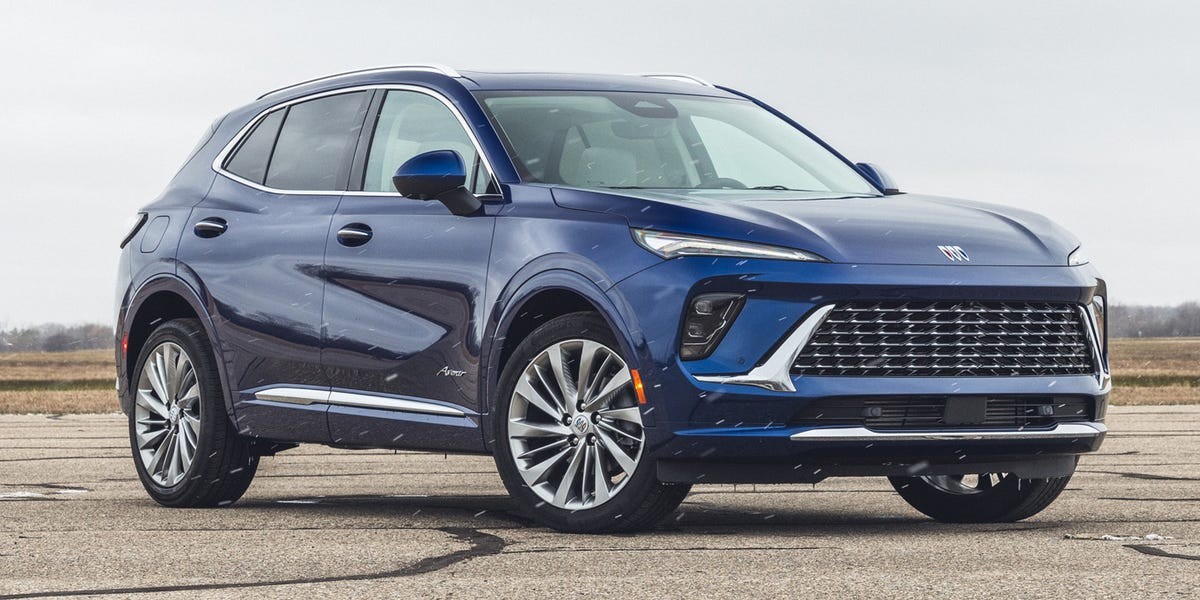
General Motors (GM) will move production of its next-generation Buick compact SUV from China to its Fairfax Assembly plant in Kansas City, Kansas. The decision comes as the auto industry navigates evolving trade dynamics and tariffs, making domestic manufacturing more competitive.
Why This Matters
For years, Buick relied heavily on Chinese factories for key models like the Envision. However, increased tariffs imposed during the Trump administration significantly raised the cost of importing these vehicles. This shift represents a strategic move by GM to insulate itself from future trade uncertainties and potentially lower production costs. It also underscores a broader trend within the auto industry toward reshoring manufacturing to avoid geopolitical risks.
Details of the Production Shift
The new SUV, slated to begin production in 2028, will share its platform with the Chevrolet Equinox. Both vehicles will be assembled at the Kansas plant, which is already gearing up for Equinox production starting in 2027. GM’s Fairfax facility is also handling the revised 2027 Chevy Bolt and plans for an unnamed affordable EV.
The Envision’s Legacy
The current Buick Envision has been a solid seller despite recent sales declines. In 2025, Buick sold nearly 42,000 Envisions, though that number was down 11% from the previous year. GM will continue importing the Envision from China until the new U.S.-made model is ready in 2028. The name of the next-generation SUV remains unconfirmed, but industry analysts expect it to follow Buick’s naming convention starting with “En.”
Broader Implications for Buick
This move means that only one of Buick’s four SUV models, the Enclave, was previously built in the U.S. By increasing domestic production, Buick can better respond to market demands and potentially offer more competitive pricing. This could also strengthen Buick’s position in a segment where consumer preferences increasingly favor American-made vehicles.
The shift to U.S. production is a calculated move by GM to secure its supply chain, mitigate trade risks, and position Buick for long-term success in a changing automotive landscape.


