Rising fuel costs are hitting drivers hard, but significant savings are achievable with a few straightforward adjustments to driving habits. Recent tests demonstrate that even modest changes can yield substantial improvements in miles per gallon (MPG), potentially offsetting much of the price increase.
The Potential for Improvement
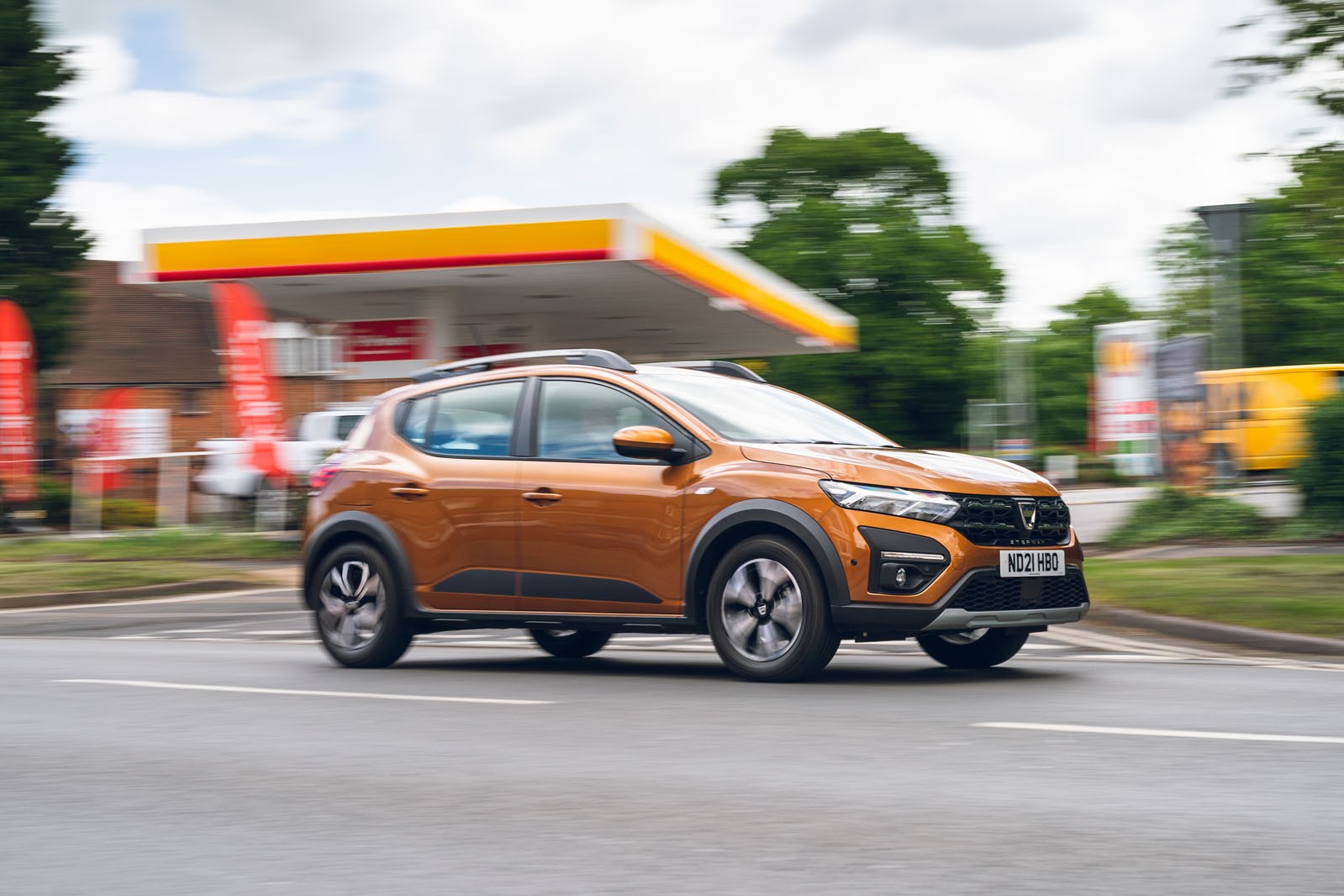
A recent demonstration with a Dacia Sandero Stepway showed an increase from 42 MPG to over 60 MPG using optimized driving techniques. According to Evan Morris of Red Driver Training, savings of 11% are typical, but gains of up to 50% are possible. This means drivers may be able to extract considerably more range from each tank of fuel simply by adjusting their behavior.
Easy, Actionable Steps
The key to maximizing fuel efficiency lies in addressing small but impactful details:
- Tyre Pressure: Maintaining proper tyre inflation is critical. Approximately 20% of fuel consumption is due to rolling resistance; every PSI makes a difference.
- Weight Reduction: Removing unnecessary items from the vehicle, especially in the boot, reduces drag and improves mileage. Roof racks and carriers should also be removed when not in use, as they significantly increase aerodynamic resistance.
- Pre-Start Habits: Avoid running the engine while completing non-driving tasks such as buckling seatbelts, entering GPS destinations, or selecting radio stations. Every second of idling consumes fuel unnecessarily.
The Driving Technique
To illustrate the impact of these techniques, a controlled test was conducted on a 17.1-mile route including both urban and rural driving conditions. The first lap was completed without intervention to establish a baseline. The second lap, driven with guidance from Red Driver Training, yielded a substantial MPG increase.
The Bottom Line
Drivers who adopt these simple strategies can expect to see a noticeable improvement in their fuel economy. While individual results may vary, the principles remain the same: reducing weight, maintaining proper tyre pressure, and minimizing unnecessary engine idling can help offset rising petrol prices.