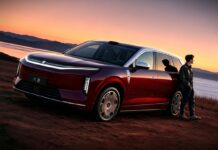
The Land Rover Range Rover has long defined the intersection of rugged utility and luxury. Since the 1970s, it has offered a unique proposition: the ability to traverse difficult terrain while maintaining an interior of refined comfort. Now, the brand is preparing for its most significant technological shift yet. The 2027 Range Rover EV will mark the model’s entry into the fully electric era, aiming to preserve the vehicle’s legendary off-road capability and plushness while transitioning away from internal combustion.
A Familiar Face with a New Heart
Visually, the 2027 Range Rover EV appears to be a subtle evolution rather than a radical departure. It retains the iconic silhouette of its gasoline-powered counterpart, ensuring it remains instantly recognizable. However, beneath the surface, the engineering is undergoing a complete transformation.
Land Rover has confirmed that the electric variant will be powered by multiple electric motors. While specific power figures remain undisclosed, the manufacturer states that the EV’s performance will at least match that of the current gasoline V-8 model. This is a critical benchmark, as the V-8 has long been the gold standard for power in the Range Rover lineup.
Rumors suggest the vehicle may feature a sophisticated four-motor setup with individual wheel control. If implemented, this technology would allow for precise torque vectoring, similar to systems seen in competitors like the Mercedes-Benz G-Class EV. Such a system could enhance off-road agility and stability, addressing a common concern among enthusiasts: whether electric powertrains can truly replicate the nuanced control of traditional mechanical differentials.
Engineering for Space and Capability
The 2027 model is based on the long-wheelbase version of the current Range Rover, but it utilizes a unique multilink suspension setup. This design choice is strategic. By reducing the space required for wheel articulation, engineers have freed up significant room within the chassis. This extra space serves two primary purposes:
- Battery Accommodation: It allows for the integration of a large battery pack without compromising interior volume.
- Rear-Wheel Steering: The space enables the inclusion of a rear-wheel steering system, which improves maneuverability at low speeds and stability at high speeds.
This engineering approach highlights Land Rover’s intent to maintain the Range Rover’s dual identity: a comfortable grand tourer that is also a capable off-roader.
The Unknowns: Range, Price, and Availability
Despite the confirmed launch window for 2027, Land Rover has kept many critical details under wraps. Pricing, battery range, and charging specifications have not been released. This silence is typical for early-stage EV announcements, where manufacturers wait to finalize supply chains and battery technology before committing to numbers.
For potential buyers, this lack of information creates a period of uncertainty. The Range Rover EV will need to compete not only with traditional luxury SUVs but also with emerging electric competitors from brands like Lucid, Porsche, and BMW. Its success will depend on how well it balances the brand’s heritage with the practical demands of electric ownership, such as charging time and range anxiety.
Why This Matters
The launch of the Range Rover EV is more than just a new model release; it signals the electrification of the ultra-luxury off-road segment. For decades, the Range Rover has