Euro NCAP, the organization behind the widely recognized vehicle safety ratings, is set to dramatically reshape its testing protocols starting in 2026. The changes aim to address real-world driving conditions and improve safety standards across the board, with a particular focus on curbing the effectiveness of poorly implemented advanced driver-assistance systems (ADAS) and improving post-crash survivability.
A Four-Stage Safety Assessment
The new framework divides vehicle safety into four distinct categories: Safe Driving, Crash Avoidance, Crash Protection, and Post-Crash Safety. Each category will be scored independently, and star ratings will reflect performance across all areas. This holistic approach recognizes that vehicle safety isn’t just about avoiding collisions, but also about minimizing harm when accidents happen and facilitating efficient rescue operations afterward.
Fixing Electric Vehicle Rescue Hazards
One critical update addresses a dangerous flaw in some electric vehicles: locked doors after a crash. Firefighters have reported difficulty extracting occupants from EVs with powered handles that fail to release post-impact, sometimes with fatal consequences. Euro NCAP now mandates that these handles must remain operational even after collisions. This change stems from documented tragedies where first responders struggled to access trapped occupants, highlighting a life-or-death issue.
Driver Assistance Systems Under the Microscope
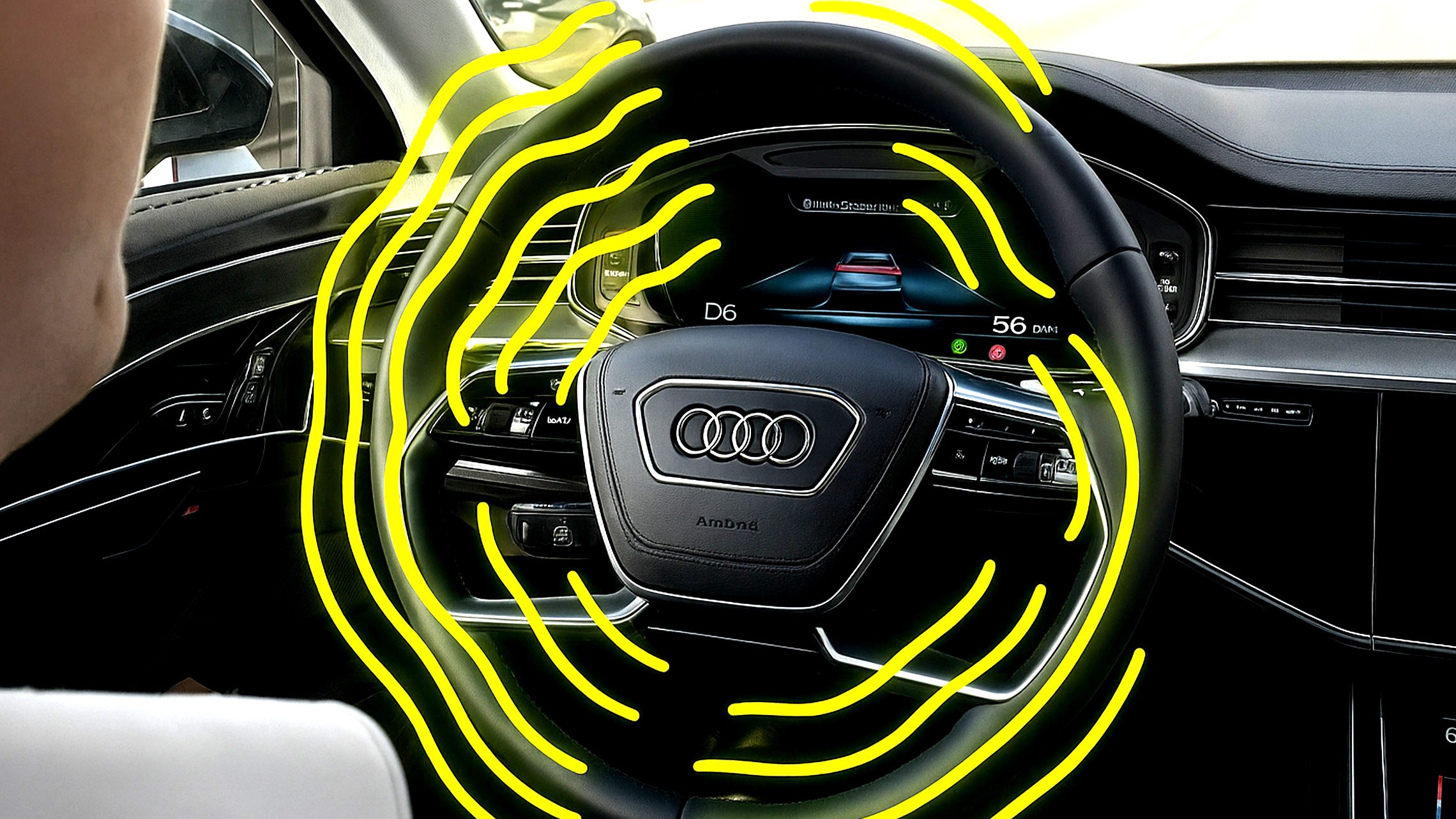
For too long, ADAS evaluations have occurred in controlled environments where systems behave predictably. In reality, automatic lane-keeping can jerk the steering wheel unexpectedly, while incessant beeping alerts annoy drivers into disabling the features altogether. From 2026, testing will shift to real-world scenarios, rewarding systems that operate smoothly and effectively, rather than relying on aggressive interventions.
Physical Buttons Make a Comeback
Cars will now earn extra points for incorporating advanced driver-monitoring systems that detect genuine distraction—beyond simple blink detection—and even signs of impairment from alcohol or drugs. More surprisingly, manufacturers will be rewarded for including physical buttons for common controls, recognizing that drivers overwhelmingly prefer them over finicky touchscreens. This change acknowledges years of driver frustration with increasingly complex, buttonless interfaces.
More Realistic Crash Testing
Crash avoidance tests will expand to include vulnerable road users like motorcyclists and cyclists, reflecting the dangers of urban driving. The tests will also penalize systems that make abrupt corrections, even if they technically avoid a collision. Smoothness matters.
Crash protection will become more nuanced, too. Euro NCAP will use dummies representing a wider range of body shapes, ages, and sizes to simulate real-world occupants more accurately. Side-impact protection and pedestrian safety will also be assessed with greater precision.
Enhanced Post-Crash Safety for EVs
The overhaul extends to post-crash procedures, particularly for EVs. New rules will require proper battery isolation to prevent thermal runaway, the functional handles we mentioned earlier, and automated SOS functions that provide first responders with vital information, including the number of occupants (even if unbuckled). EVs must also warn drivers about potential battery-fire risks following a collision.
Continuous Improvement
This represents the most significant update to Euro NCAP testing since 2009. Crucially, the organization plans to refresh its protocols every three years, acknowledging the rapid evolution of vehicle technology. This commitment to ongoing assessment ensures that safety standards remain relevant and effective in a constantly changing automotive landscape.
The updated Euro NCAP testing framework represents a fundamental shift towards real-world safety, prioritizing practicality and human-centered design over arbitrary technological achievements.