Ford Motor Company has issued two new recalls affecting over 280,000 vehicles, bringing the total number of recalls this year to a record-breaking high. The recalls cover a range of popular models, including the Mustang Mach-E, F-150 Lightning, Maverick Hybrid, and Super Duty trucks. The issues span from a potentially dangerous parking mechanism failure to axle shaft fractures.
Park Isn’t Always Park: The IPM Recall
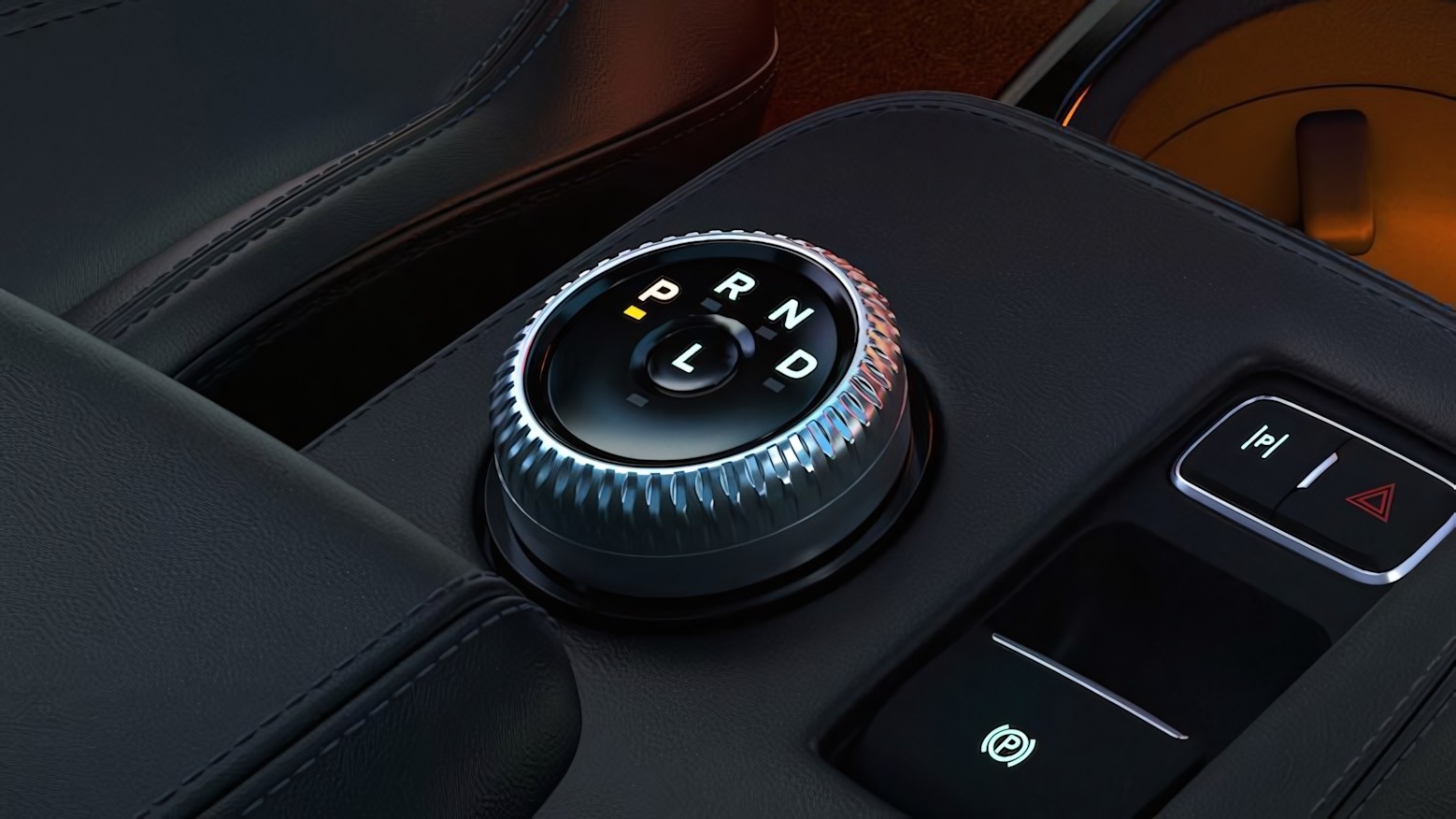
The largest recall involves 272,645 vehicles – 104,113 F-150 Lightnings, 88,064 Mustang Mach-Es, and 80,468 Maverick Hybrids. These vehicles are equipped with an integrated park module (IPM) that may fail to fully engage the parking pawl when shifted into “Park”. This creates a significant roll-away risk, as the vehicle could unexpectedly move.
The root cause? Friction variations during manufacturing and material tolerances that prevent the IPM pawl from binding correctly. Ford estimates that only about 1% of the recalled vehicles will actually experience the defect, but the potential consequences are severe enough to warrant immediate action.
Warning signs include the absence of an illuminated “P” indicator, a wrench warning light, and a shift system fault message. The fix is a free software update, delivered either over-the-air or through a dealership visit, which will automatically unbind the park mechanism if the defect occurs. This is part of a broader trend where automakers rely on software updates to address hardware flaws, though it does raise questions about long-term reliability.
Super Duty Axle Failure: A Separate, Urgent Issue
The second recall affects 6,819 model-year 2026 Super Duty pickups with 10.5-inch single rear wheel axles. These axles are prone to fracturing under load, posing a safety hazard. Unlike the software fix for the parking issue, these trucks will require a physical axle replacement performed by a dealer.
Why it matters: This defect highlights the importance of rigorous quality control in manufacturing, especially for heavy-duty vehicles where component failure can have catastrophic consequences.
“Ford is proactively addressing these issues to ensure the safety of its customers, even though no accidents or injuries have been reported so far.”
Both recalls demonstrate the increasing complexity of modern vehicles and the potential for software and hardware malfunctions. While recalls are a normal part of the automotive industry, the sheer number issued by Ford this year points to broader manufacturing and quality control challenges. Consumers should check their vehicle identification numbers (VINs) against the recall lists on Ford’s website or through the National Highway Traffic Safety Administration (NHTSA) to determine if their vehicle is affected.