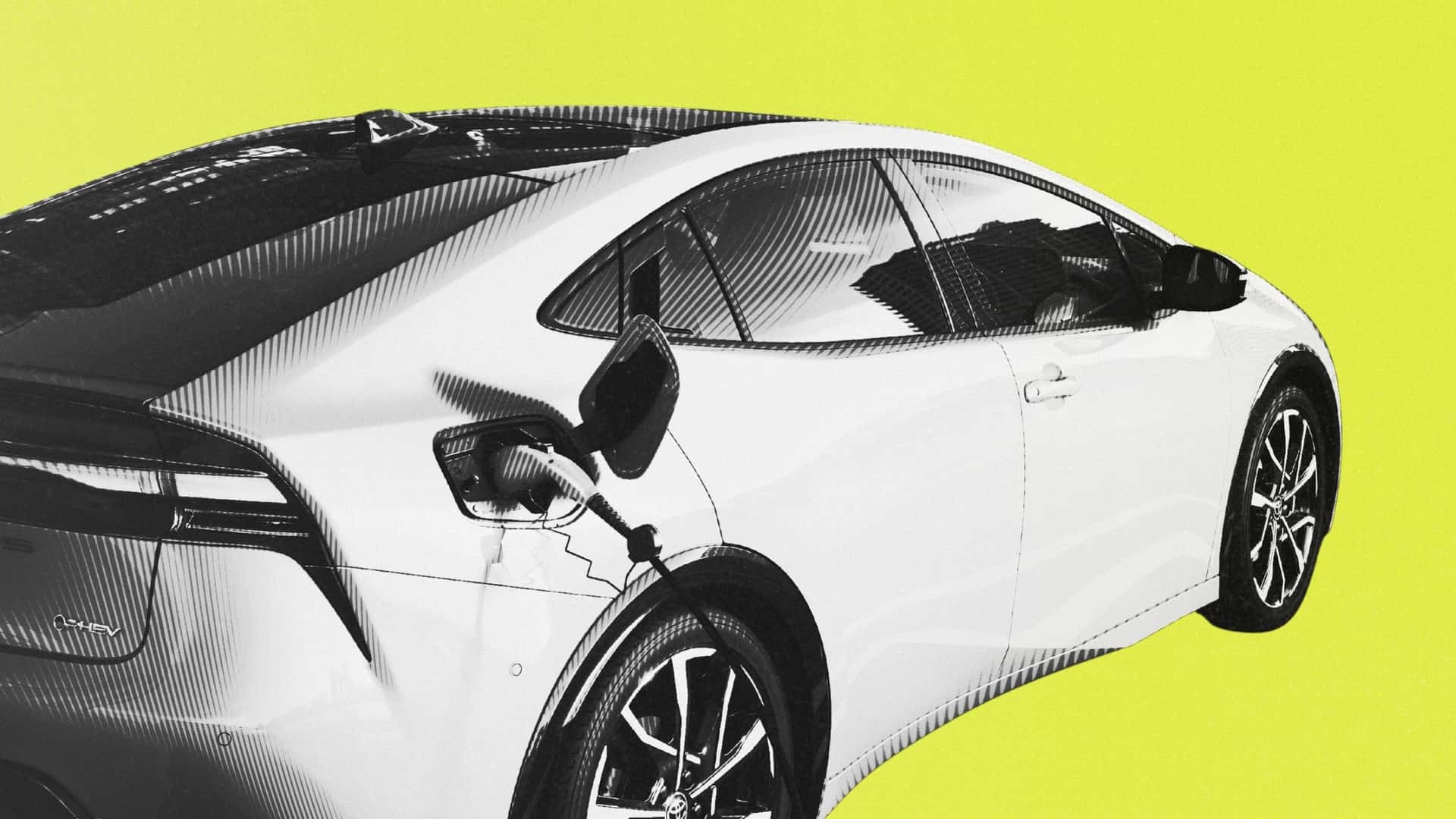
Buying a new vehicle today means navigating a complex array of powertrain choices. The days of simply choosing a brand and size are over; now, buyers must consider electric, hybrid, or gasoline options. Hybrid technology has evolved beyond the early Toyota Prius, offering three distinct approaches: regular hybrids, plug-in hybrids (PHEVs), and mild hybrids (MHEVs). Understanding the differences between these systems is critical for making an informed decision.
What Is a Hybrid Car?
The standard hybrid combines a gasoline engine with electric motors to maximize efficiency. The gas engine handles most of the power demands, while the electric motor assists at lower speeds and during coasting. These systems automatically recharge through braking and engine operation, eliminating the need for manual charging.
Modern hybrids deliver impressive fuel economy, often exceeding 40-50 miles per gallon. Importantly, driving a hybrid feels largely identical to driving a gasoline car; you fill the tank as usual, and the system handles the rest. Newer hybrids are often more powerful and refined than their predecessors.
However, hybrids generally come at a higher upfront cost than their gasoline counterparts. Some manufacturers, like Toyota with models such as the Camry, Sienna, and RAV4, now offer hybrid powertrains exclusively.
Plug-In Hybrids (PHEVs): Bridging the Gap
Plug-in hybrids take the hybrid concept further by offering a larger battery pack that can be charged from an external source. This allows for extended electric-only driving, typically covering daily commutes without using gasoline. Models like the Prius PHEV and RAV4 PHEV can travel up to 44-50 miles on electricity alone.
The ideal use case for a PHEV is daily driving on electric power, with the gasoline engine reserved for longer trips. This minimizes gas station visits and maximizes fuel efficiency. However, PHEVs are more expensive than regular hybrids and require consistent access to a charger to realize their full potential. If you cannot regularly plug in, a PHEV’s benefits diminish significantly.
Mild Hybrids (MHEVs): Subtle Efficiency Gains
Mild hybrids represent the least electrified option, pairing a gasoline engine with a small electric motor and battery. These systems primarily smooth out the start-stop function, improving fuel efficiency and reducing engine noise. Unlike other hybrids, MHEVs do not require behavioral changes or charging.
MHEVs are commonly found in luxury vehicles from brands like Audi, BMW, and Mercedes-Benz, as well as some Mazda models. They don’t typically carry a price premium because they’re integrated into the powertrain design. The primary benefit is a smoother driving experience rather than a dramatic fuel economy improvement.
Which Hybrid Is Right for You?
Mild hybrids are largely a refinement for luxury vehicles, enhancing smoothness and efficiency without significant change. The real decision lies between regular hybrids and PHEVs.
If you have reliable access to charging and drive shorter distances, a PHEV is the most efficient choice. For most drivers, a standard hybrid remains the easiest and most affordable way to reduce fuel consumption without altering their lifestyle.
Hybrid cars offer a tangible advantage in fuel efficiency without the constraints of full electric vehicles. For those looking to save money at the pump without radical changes, a hybrid powertrain is a solid choice.