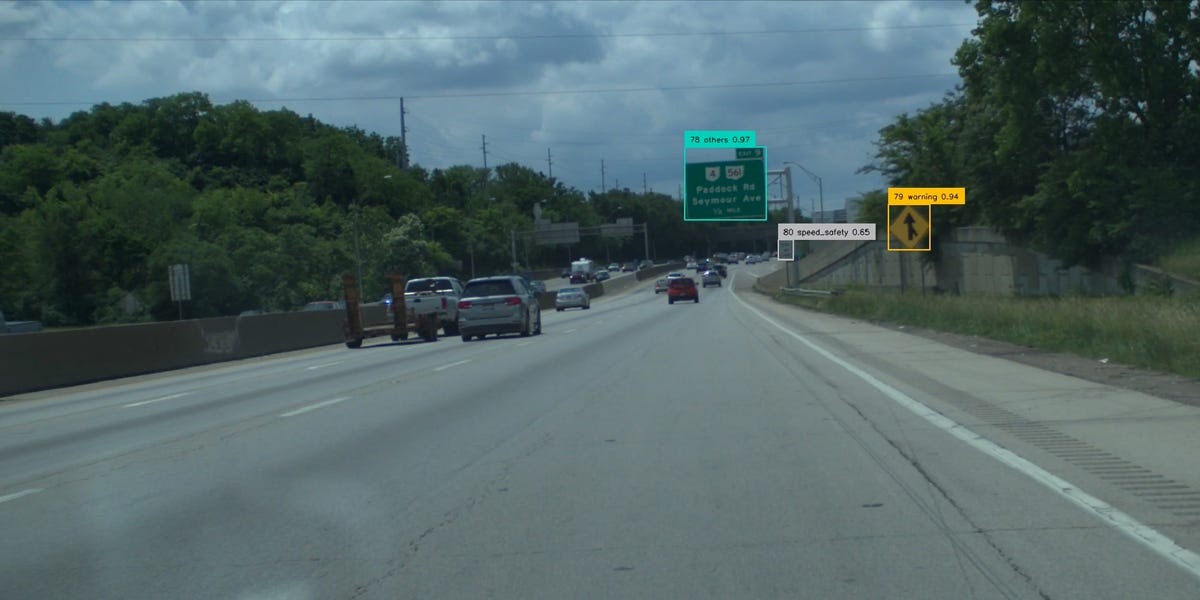
Honda has successfully completed a pilot program in Ohio that leverages vehicle-based sensors to detect and report road hazards, including potholes, damaged guardrails, and malfunctioning signage, directly to the state’s Department of Transportation (ODOT). This initiative represents a significant step towards proactive infrastructure maintenance, promising faster repairs and improved road safety.
How the System Works
The program equips Honda test vehicles with cameras and lidar technology. These sensors continuously scan roads for defects, then transmit anonymized data to ODOT in real-time. The AI-powered system achieved an 89% accuracy rate in detecting potholes, along with near-perfect detection of damaged signs and guardrails. This automated reporting eliminates the reliance on drivers to manually report issues, which is often slow and inconsistent.
Why This Matters
The traditional cycle of road damage followed by delayed repair is inefficient and costly. Potholes, for instance, can cause vehicle damage, accidents, and increased maintenance expenses for both drivers and the state. The core problem is that road authorities depend on citizen reports or sporadic inspections. This system solves that by providing continuous, high-accuracy data.
The idea of using automated data collection is not new: transportation departments have been using road footage to study design since the 1960s. However, this pilot program marks a shift to real-time, vehicle-sourced monitoring.
Financial and Operational Impact
The ODOT estimates that integrating this data into its maintenance schedule could save as much as $4.5 million annually. These funds can then be reallocated to further road repairs and improvements. This is a substantial return on investment, demonstrating the potential for similar programs in other states.
The Future of Road Maintenance
Honda’s proactive roadway maintenance system signals a broader trend: the increasing integration of vehicle technology into urban infrastructure management. By using existing sensor technology in modern cars, roads can be maintained more efficiently, reducing costs and improving safety for all drivers—even those not driving a Honda. This system could eventually be expanded to include data from other vehicle manufacturers, creating a comprehensive, real-time road monitoring network.
The pilot program’s success suggests that vehicle-based road monitoring is a viable, cost-effective, and efficient solution for infrastructure maintenance. This approach promises smoother commutes, fewer vehicle repairs, and ultimately, a more reliable road network for everyone.