Hyundai is shifting its design strategy to create a clearer visual connection between its models, but without sacrificing the unique character of each vehicle. The company wants to avoid the trap of making all its cars look like carbon copies of each other, as some other brands have done, while still establishing a stronger sense of family resemblance across its lineup.
The Need for Brand Consistency
Currently, Hyundai’s models have distinct designs – the Santa Fe looks different from the Tucson, for example. This individuality appeals to many buyers, but Hyundai believes a more cohesive aesthetic will strengthen its brand identity. The goal is to create subtle, shared design cues that tie vehicles together without making them indistinguishable.
Balancing Individuality with Family Resemblance
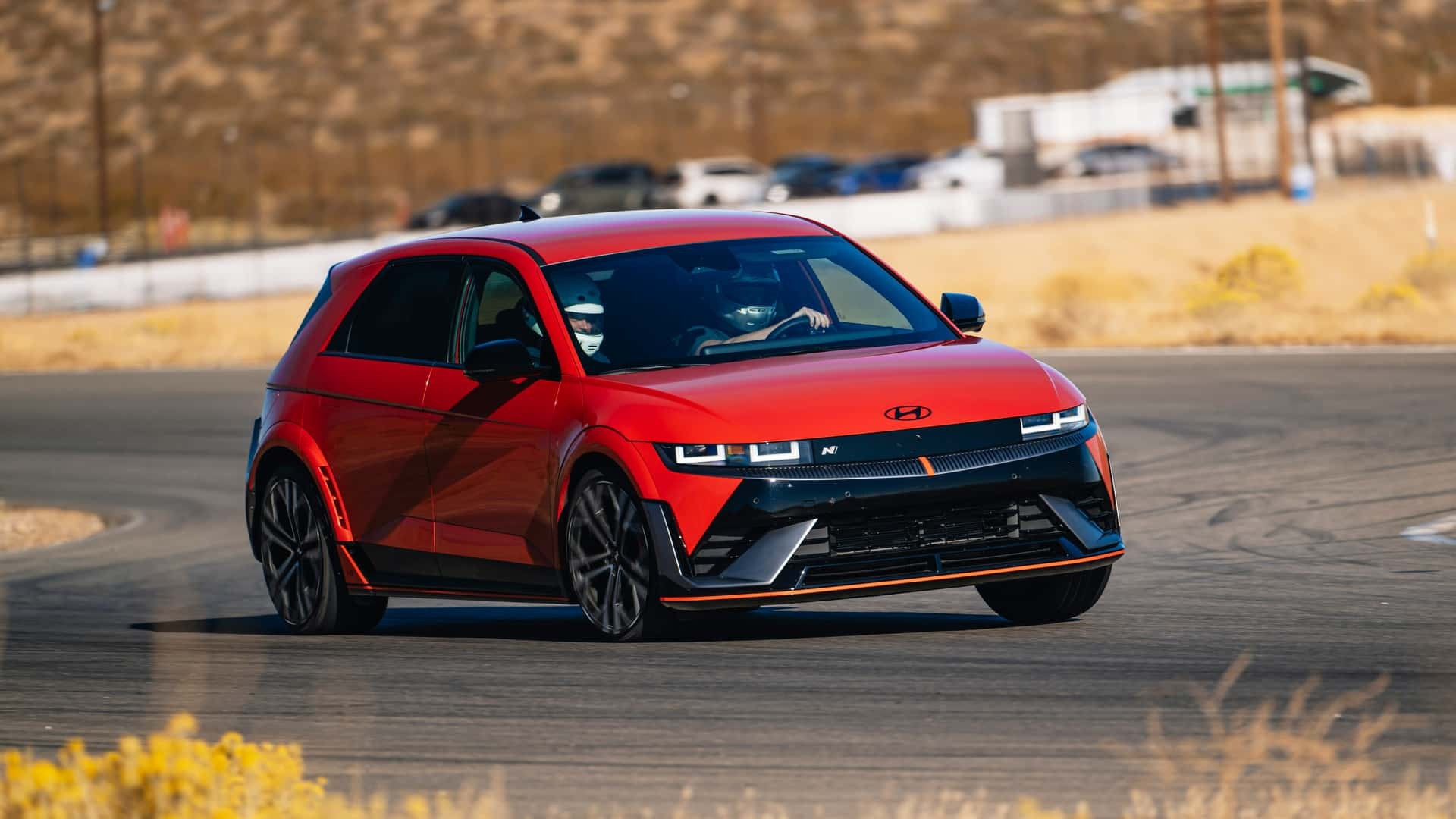
Hyundai’s head designer, SangYup Lee, champions a “chess piece” philosophy, where each model has a distinct role and character. This means SUVs will remain rugged and squared-off, like the latest Santa Fe, while EVs (such as the Ioniq 5 and 6) will keep their sleek, aerodynamic styling. The intention isn’t to eliminate individuality, but to introduce a unifying element.
“Maybe in the past, there was not this systematic sense of family between our vehicles,” explained Hyundai Motor Europe CEO Xavier Martinet. “It’s something we’re working on, but we will never use a ‘photocopier machine’ and go the other way around.”
Avoiding the “Cookie-Cutter” Effect
The automotive industry has seen brands push too far in the direction of identical designs, and Hyundai is determined to avoid this. The company wants its vehicles to feel like they “belong to something that makes sense,” rather than being generic clones. This approach recognizes that while brand recognition is important, customers still desire vehicles with distinct personalities.
Hyundai’s current design language is already well-regarded, and this adjustment aims to refine, not replace, its successful formula. The move will likely reinforce the brand’s identity while preserving the individuality that buyers value.