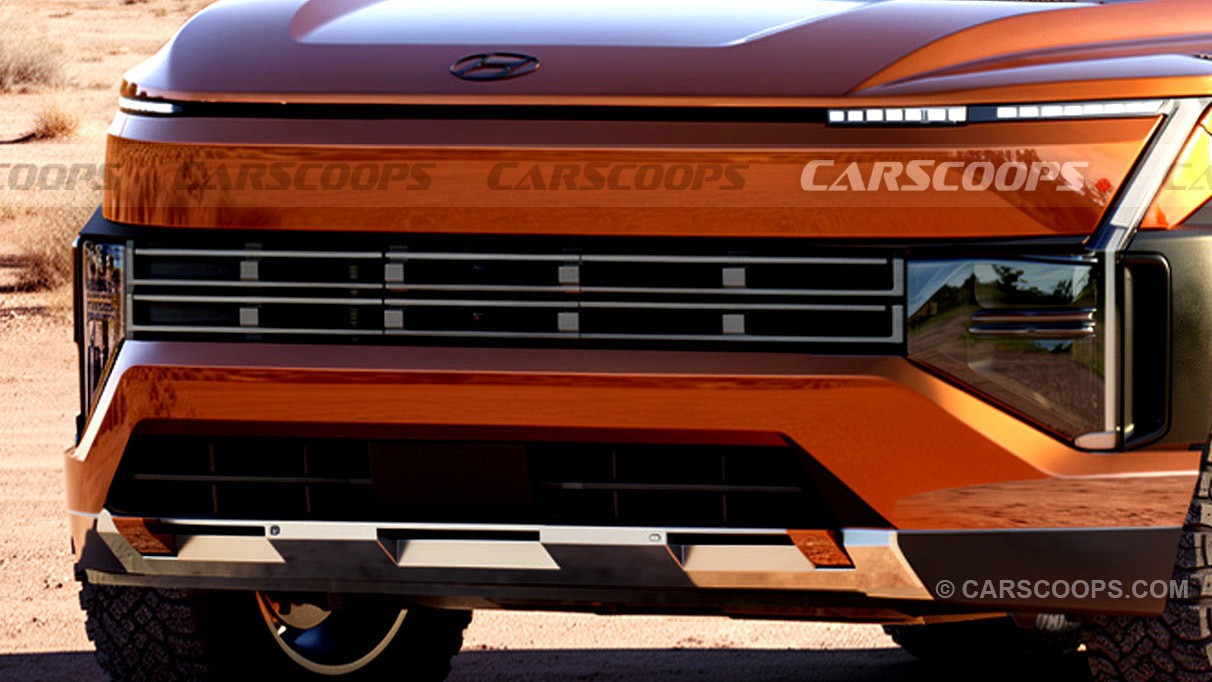
Hyundai is poised to release a significantly redesigned Tucson SUV, departing from the current model’s flowing lines in favor of a bolder, more angular aesthetic. This shift comes as the company aims to directly compete with segment leaders like the Toyota RAV4 and Honda CR-V, while also streamlining powertrain options and integrating advanced technology. The move signals a broader trend among automakers toward tougher, more utilitarian designs, responding to consumer demand for vehicles that look capable even if driven primarily on paved roads.
The Evolution of Design
The next-generation Tucson, internally designated NX5, is heavily influenced by Hyundai’s “Art of Steel” design language, exemplified by the CRATER concept. This means sharper edges, pixelated lighting elements (like the downward-sweeping daytime running lights), and a generally squared-off silhouette. The design is a deliberate break from the softer, more rounded profile of the outgoing model, which has been in production since 2020.
This change isn’t arbitrary. Automakers are increasingly adopting rugged aesthetics to convey durability and adventure, even on mainstream vehicles. The Tucson’s new look is a clear response to the success of models like the Ford Bronco Sport, which blend practicality with a more aggressive style.
Tech and Powertrain Updates
Inside, the 2027 Tucson will feature Hyundai’s next-generation Pleos Connect operating system, an Android Automotive-based platform with an AI-powered assistant for voice commands. The cabin will maintain the exterior’s angular theme, with diagonal lines on door cards and vertical decorative inserts on the dashboard. A key change will be the relocation of the gear lever to the steering column, freeing up space between the front seats.
Hyundai is also simplifying its engine lineup, phasing out diesel options in favor of hybrid and plug-in hybrid powertrains. The plug-in hybrid is expected to offer around 62 miles (100 km) of electric-only range. There’s speculation about a future N performance variant, potentially with an uprated hybrid system to rival the Toyota RAV4 GR Sport. This focus on electrification aligns with industry trends, as automakers prepare for increasingly stringent emissions regulations.
Market Positioning and Competition
The redesigned Tucson will enter a highly competitive segment, facing off against the Toyota RAV4, Honda CR-V, Mazda CX-5, Kia Sportage, and others. Hyundai aims to position the new Tucson competitively on price, ensuring it remains an attractive option for budget-conscious buyers.
An official unveiling is expected later this year, with sales beginning in key markets by early 2027. The Tucson could arrive in the U.S. as either a 2027 or 2028 model year. This timing is crucial, as the SUV market is rapidly evolving, with consumers demanding both style and efficiency.
Hyundai’s redesign of the Tucson isn’t just about aesthetics; it’s a calculated move to capture market share in a crowded segment. By embracing a bolder design language and streamlining powertrain options, the company is positioning the Tucson as a serious contender against established rivals.