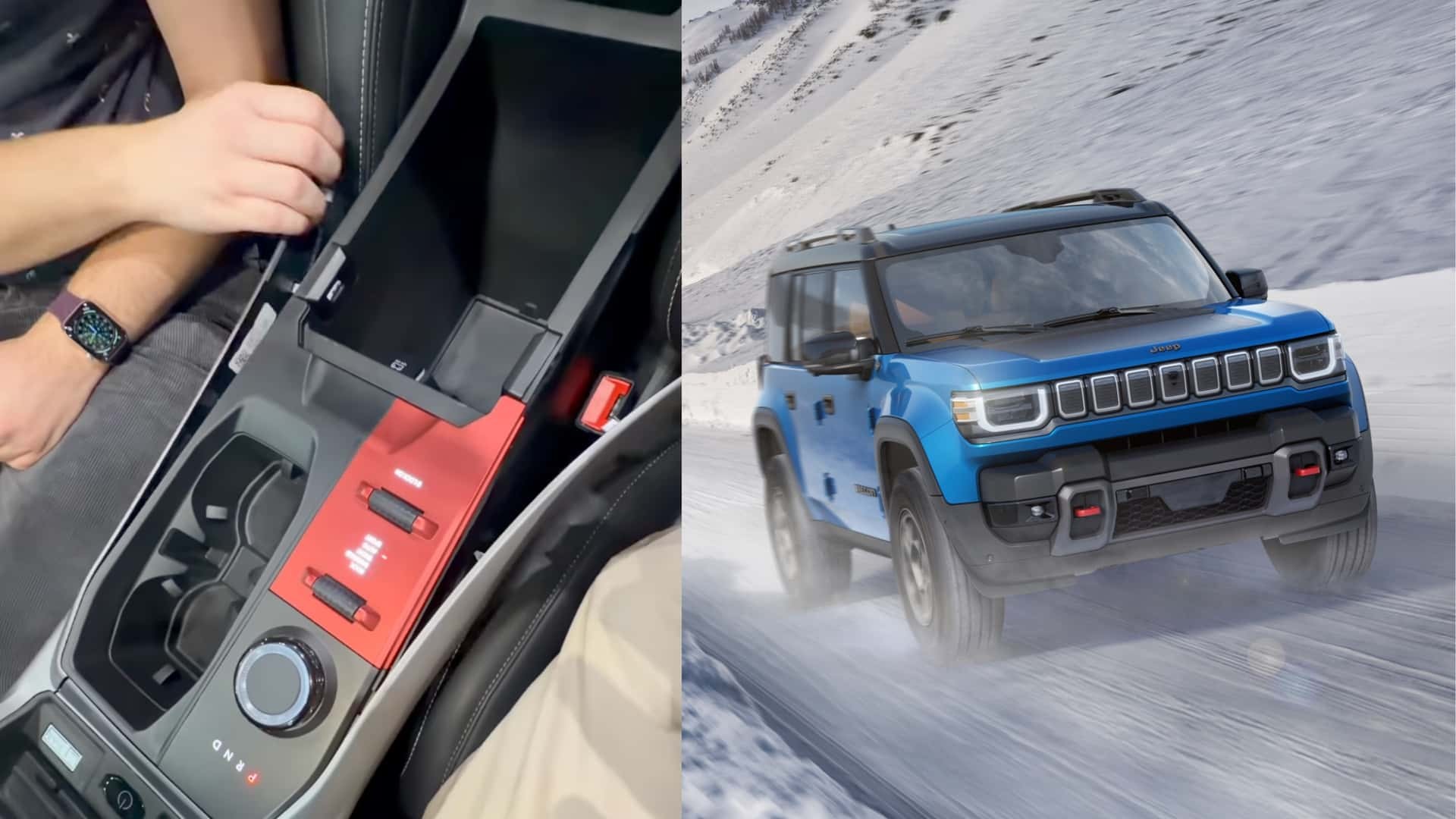
The 2026 Jeep Recon, an upcoming electric off-roader, became the subject of controversy after a viral video surfaced showing the vehicle being taken apart at the Los Angeles Auto Show. Jeep responded by calling the act “destructive and unprofessional,” while the creators of the video defended their actions, stating that interior components came loose easily. The incident underscores a broader issue: the risks of showcasing unfinished vehicles to the public, especially in the age of instant social media scrutiny.
The Context: Pre-Production vs. Final Product
Jeep confirmed the displayed Recon was a pre-production show car, designed to highlight the vehicle’s design rather than its build quality. These early prototypes are typically hand-built and do not reflect the standards of the final production model, which won’t enter full manufacturing until early next year.
This distinction matters because pre-production vehicles often exhibit flaws that are expected to be corrected before consumer deliveries begin. Panel gaps, loose trim, and other imperfections are common at this stage. However, the average consumer may not recognize this, leading to potentially damaging first impressions.
The Controversy: Was It Vandalism or Fair Critique?
The video’s creators, The Middle Lane, claimed they were simply documenting the vehicle’s flaws, pointing out that components easily detached without force. Jeep argues this was a deliberate act of destruction, jeopardizing the content creators’ relationship with the automotive industry.
Regardless of intent, the incident highlights the delicate balance between automotive journalism and product integrity. While professional reviewers understand the nuances of pre-production models, the general public may not. A negative viral video can significantly impact a vehicle’s commercial prospects, particularly in today’s fast-paced media environment.
Jeep’s Dilemma: Transparency vs. Controlled Exposure
Jeep faced a strategic dilemma by bringing the Recon to the auto show before final production. While showcasing a new product generates hype, it also creates opportunities for negative exposure if the vehicle isn’t ready for public scrutiny.
The company may have been better off waiting until the Recon was fully refined before displaying it. However, early exposure can also build anticipation and generate buzz, even if it comes with risks. The key takeaway is that automakers must carefully consider the trade-offs between transparency and controlled messaging when showcasing unfinished products.
In conclusion, the Jeep Recon incident serves as a cautionary tale for both automakers and content creators. While pre-production flaws are inevitable, the speed and reach of social media mean that even minor issues can quickly escalate into public relations crises. Automotive companies must balance the benefits of early exposure with the potential damage from viral criticism.