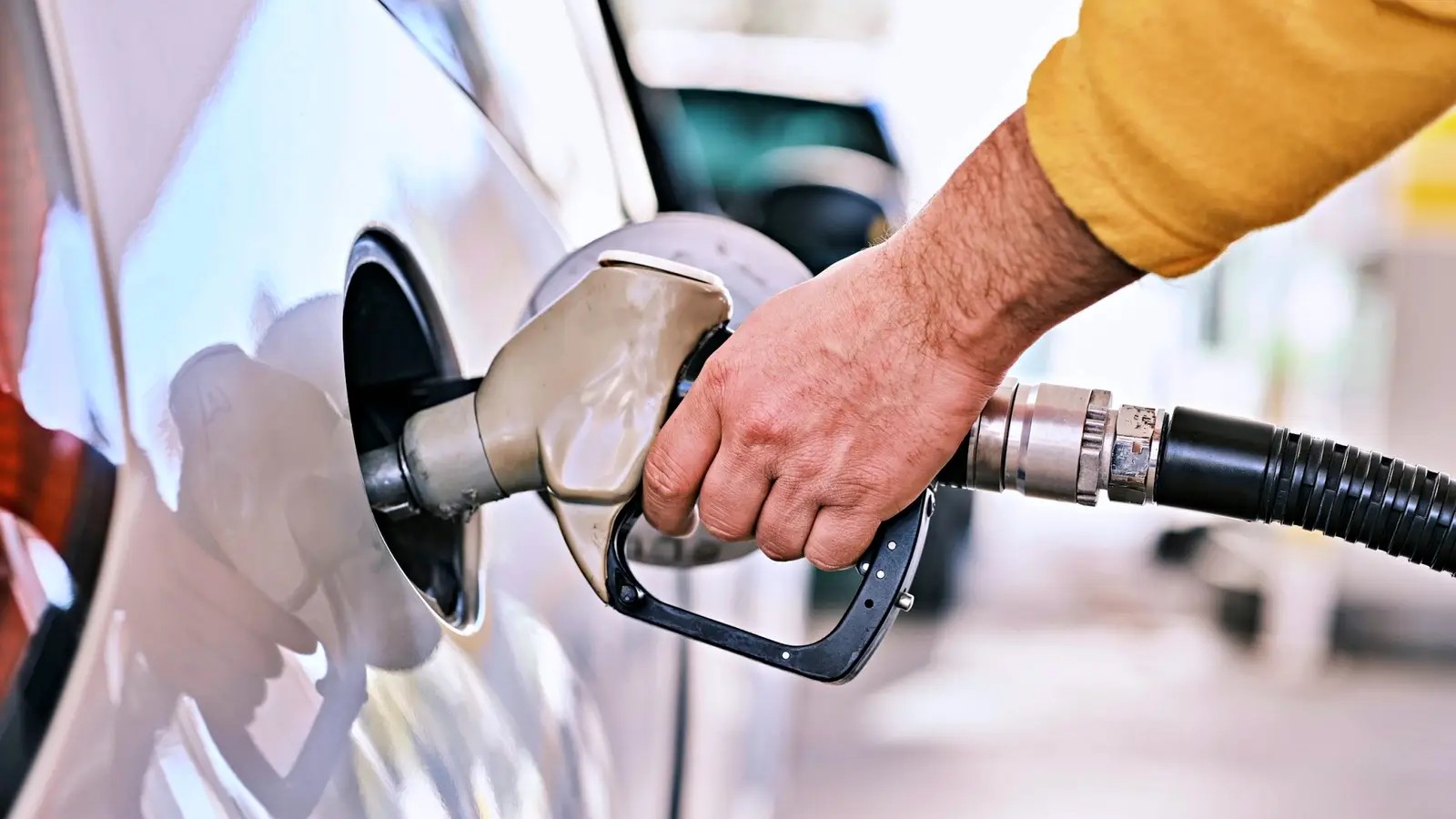
Escalating tensions in the Middle East, specifically the ongoing military operation involving the U.S. and Israel in Iran, have triggered a sharp surge in global oil prices, resulting in the most significant fuel price increase in years. American drivers are now facing significantly higher costs at the pump, with diesel exceeding $5 per gallon and regular unleaded jumping over $1 in just a few weeks. This isn’t merely a market fluctuation; it’s a direct consequence of disrupted oil supply chains, with potentially long-lasting economic repercussions.
The Strait of Hormuz Bottleneck
Approximately 20% of the world’s oil supply transits through the Strait of Hormuz, a critical maritime passage between Iran and the Arabian Peninsula. The recent conflict has effectively blocked this waterway, halting tanker traffic and forcing Gulf oil producers to drastically reduce output due to storage constraints. The International Energy Agency (IEA) has labeled this the largest oil supply disruption in history, eclipsing even the 2022 Russia-Ukraine crisis in severity. This underscores the vulnerability of global energy markets to geopolitical instability in key chokepoints.
Price Volatility and Regional Disparities
Brent Crude, the global oil benchmark, surged from around $73 per barrel in early February to nearly $120 before stabilizing at approximately $100. This 30%+ increase within three weeks highlights extreme market volatility. As of March 24, 2026, the national average for regular gasoline reached $3.97 per gallon – a nearly $1 increase in under a month, according to AAA. Diesel prices have risen even more sharply, hitting $5.34 per gallon, up over $1.60 from the previous month.
The impact varies dramatically by location:
- California drivers currently pay $5.82 per gallon.
- Kansas drivers pay just $3.27 per gallon.
These regional discrepancies emphasize how geopolitical events can exacerbate existing economic inequalities, disproportionately affecting drivers in certain states.
Why Relief Isn’t Imminent
Unlike disruptions caused by sanctions, which can be mitigated through alternative routes, a physical blockade of the Strait of Hormuz has no immediate workaround. There are no viable alternative pipelines or shipping lanes, and diplomatic solutions to reopen the waterway won’t materialize overnight. Moreover, Iranian strikes on regional energy infrastructure – including Qatar’s LNG exports and Saudi Aramco’s Ras Tanura refinery – have further exacerbated the crisis. Even a ceasefire won’t restore supply quickly, as damaged facilities and logistical disruptions will likely sustain elevated prices for weeks or months.
The Automotive Impact: Shifting Consumer Preferences
Higher fuel prices are reshaping consumer behavior in the automotive market. Gas-guzzling vehicles are becoming less attractive as filling a tank now costs significantly more. Hybrids and EVs, despite their own limitations, are gaining appeal solely on operating cost savings. Demand for trucks and large SUVs – traditionally strong sellers – may decline as diesel prices soar. This shift also triggers inflationary pressures across the broader economy, as nearly all goods rely on fuel-powered transportation at some point in the supply chain.
The current crisis isn’t just about gasoline; it’s a systemic shock that exposes the fragility of interconnected global markets and the real-world consequences of geopolitical conflicts.
The sustained high prices will accelerate the transition to more fuel-efficient vehicles and put additional pressure on manufacturers to innovate in this space.
In conclusion, the conflict in Iran has triggered a severe and likely prolonged disruption to global oil supplies, resulting in record-high gas prices. The situation is unlikely to resolve quickly, forcing consumers to adapt by reducing consumption, switching to more fuel-efficient options, or absorbing the increased costs. The long-term implications extend beyond the pump, potentially reshaping automotive demand and intensifying inflationary pressures across multiple sectors.