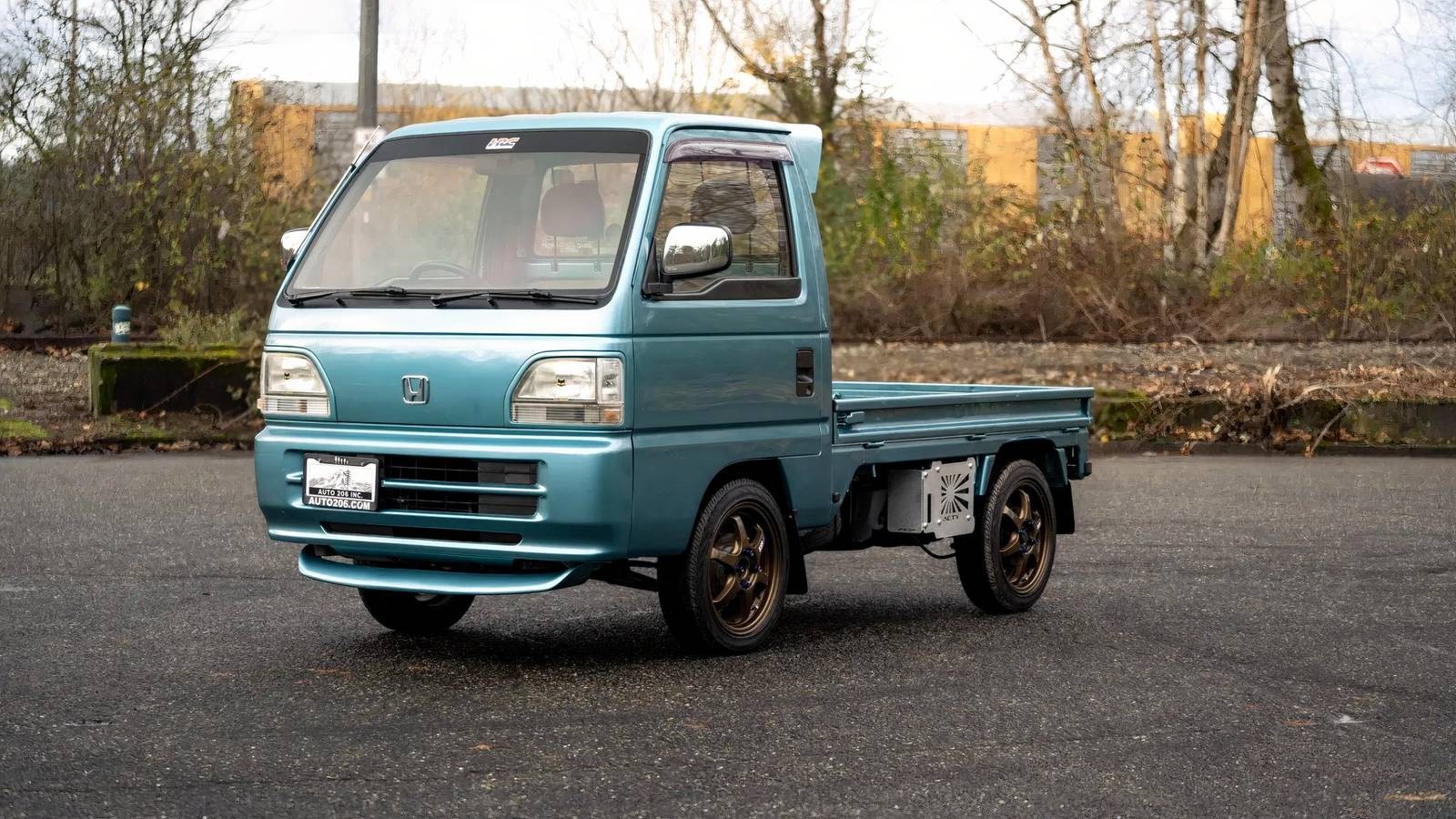
If you have spent any time in the Japanese Domestic Market (JDM) enthusiast community, you have likely heard whispers of the “Kei truck.” Once a strictly domestic solution for Japan’s narrow streets, these diminutive workhorses are rapidly gaining traction in the United States.
But what exactly makes these tiny vehicles so special, and are they actually practical for Western use? This guide breaks down the mechanics, the legality, and the best models to look for.
What is a Kei Truck?
The term “Kei” refers to a specific regulatory category in Japan known as keijidosha (lightweight vehicles). Originally designed after WWII to stimulate Japan’s recovering economy, these vehicles were engineered to be small, affordable, and efficient.
To qualify for the “Kei” classification—which grants owners significant benefits regarding taxes, insurance, and parking—the vehicle must adhere to strict government mandates:
* Engine Displacement: Maximum of 660cc.
* Dimensions: No longer than 11.2 feet and no wider than 4.9 feet.
* Power Output: Typically capped at 47 horsepower (though forced induction models can reach roughly 63 hp).
While these specs might seem restrictive, they create a highly specialized tool. In Japan, they navigate cramped urban alleys; in the West, they are finding a second life on farms, ranches, and tight rural properties where full-sized pickups simply cannot fit.
Performance and Practicality
Don’t mistake small size for lack of capability. Kei trucks are built for low-speed, high-load utility.
Power and Handling
Most models utilize a 660cc inline-three engine. Because they are lightweight (often between 1,500 and 2,000 lbs) and geared for torque rather than speed, they are remarkably efficient. However, there are clear limitations:
* Speed: They are optimized for speeds between 40–60 mph. Driving them at highway speeds is difficult and potentially dangerous.
* Safety: These vehicles lack the heavy crumple zones found in modern American trucks. They are not designed for interstate travel.
* Efficiency: You can expect roughly 30–35 mpg, which offers a massive cost advantage over V8-powered pickups.
The Top 5 Models to Consider
If you are looking to enter the market, these five models represent the best of the category:
- Honda Acty: The “all-rounder.” Known for excellent weight distribution due to its mid-bed engine placement. The Acty Attack variant is specifically designed for heavy-duty agricultural use with AWD and low-range gearing.
- Suzuki Carry: The most popular import. It boasts a massive global parts network and excellent aftermarket support. The ninth-generation models (1991–1999) are particularly sought after for their comfort and size.
- Subaru Sambar: The unique choice. It uses a rear-engine layout for superior traction on the rear axle and is one of the few to offer inline-four engines for smoother power.
- Daihatsu Hijet: The commercial specialist. Available in various configurations like dump-beds or scissor lifts, it is the most versatile option for professional work.
- Mitsubishi Minicab: The no-nonsense option. It is often the best choice if you are looking for a model with an automatic transmission, which can be harder to find in other brands.
Essential Buying Advice: Laws and Logistics
Buying a Kei truck involves more complexity than a standard used car purchase due to international import laws.
The 25-Year Rule and Registration
To legally import a Kei truck into the U.S., it must be at least 25 years old. This is why most available stock consists of models from the 1990s.
Once the truck arrives, registration depends entirely on your state:
* Friendly States: Places like Texas and Florida have established paths for registration.
* Restrictive States: California and New York have strict bans on these vehicles.
* Private Property: If you only intend to use the truck on private land (farms, large estates), these registration hurdles generally do not apply.
Budgeting for Ownership
While the vehicles themselves can be incredibly affordable—sometimes found for under $3,000—you must factor in shipping and import fees. Freight shipping to a U.S. port can cost between $1,500 and $3,000. A well-maintained, 4WD model typically settles into a price range of $5,000 to $8,000, while rare or low-mileage units can exceed $10,000.
Summary: Kei trucks are highly specialized, fuel-efficient utility tools that excel in tight spaces and low-speed work, provided you navigate the specific legal requirements for importing and registering them.