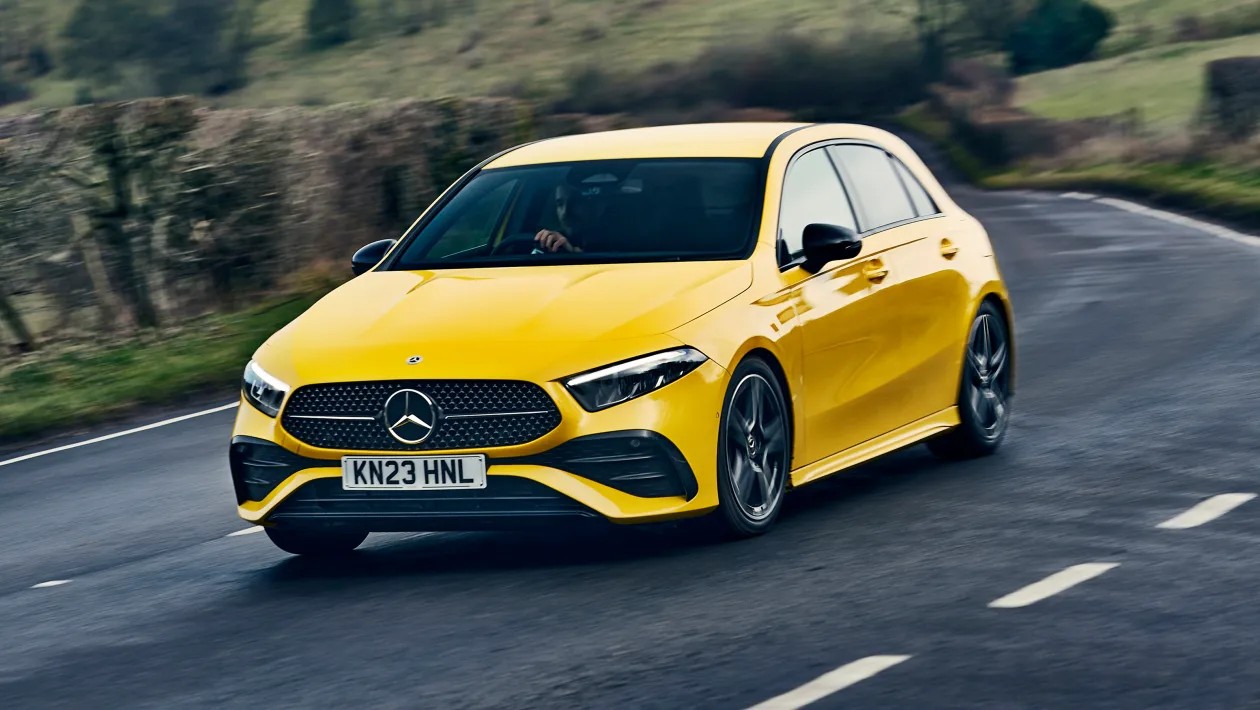
Mercedes-Benz is preparing to electrify its popular A-Class hatchback, ensuring the model remains competitive in a rapidly shifting automotive market. The next generation, expected in 2029, will leverage the company’s Modular MMA platform, enabling both all-electric and hybrid configurations.
Production Shift and Platform Flexibility
The current A-Class production will move to Kecskemet, Hungary, in 2024, extending its lifespan until 2028. This shift frees up the Rastatt factory in Germany to build the new CLA model. According to Robert Lesnik, Mercedes’ Exterior Design Director, the MMA platform is flexible enough to accommodate future changes with minimal production line revisions.
“The MMA platform is flexible, which is great because in the future we’ll have to change our minds faster than we do now.”
This adaptability is crucial as automakers navigate evolving regulations and consumer preferences.
Electric A-Class: A Fifth Model on MMA
Originally planned for four compact models—CLA, CLA Shooting Brake, GLA, and GLB—Mercedes now intends to add an all-electric A-Class as a fifth. This decision positions the A-Class as a direct competitor to upcoming electric rivals, such as the Audi A3 e-tron.
Design Direction: Stylish, Not Retro
Despite speculation about a return to the upright, cab-forward design of the original A-Class, Mercedes will maintain a more stylish, cab-back profile. The electric A-Class will share the CLA’s longer bonnet and traditional silhouette, avoiding the controversial streamlining of the EQE and EQS electric saloons.
Powertrain Options: Electric and Hybrid
The MMA platform will support both the all-electric powertrain used in the CLA and a hybrid unit designed to meet stricter Euro 7 emissions standards, set to take effect in 2027. Mercedes is moving away from the ‘EQ’ sub-brand for electric models, opting instead for naming conventions like ‘Electric CLA’ and ‘Electric GLC’.
The A-Class name will be retained for the electric version, aligning with this broader shift in branding. The transition to electric power is a strategic move by Mercedes-Benz to maintain its presence in the premium hatchback segment, adapting to the inevitable electrification of the automotive industry.