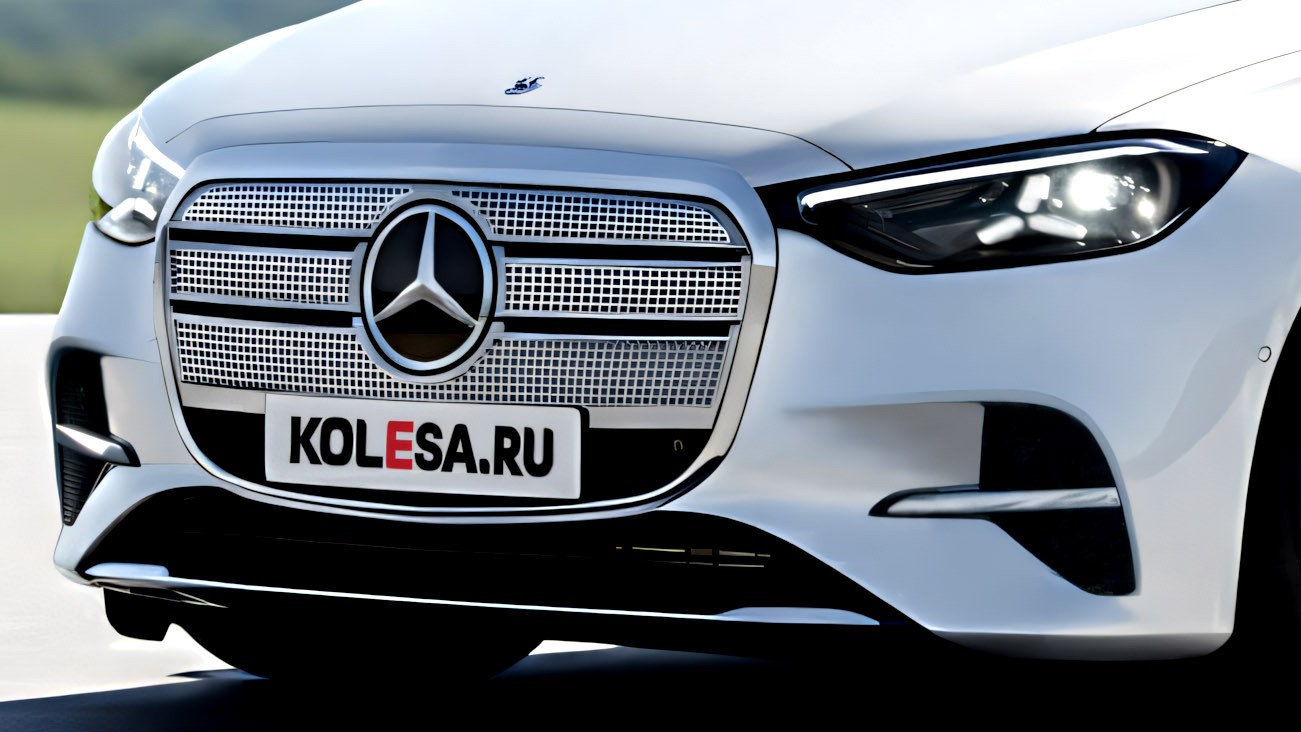
Mercedes-Benz is abandoning the EQE sedan after one generation, opting instead to integrate electric power into its mainstream E-Class lineup. This move signals a strategic shift: rather than maintaining a separate, dedicated electric vehicle (EV) sub-brand, Mercedes will leverage the familiarity and prestige of its core models to push EV adoption.
The EQE’s Short Run
The EQE, along with the larger EQS, underperformed expectations in the market. This suggests consumers haven’t yet fully embraced standalone EV models from legacy automakers – they still prefer the comfort of established names and designs.
This decision highlights a broader trend: automakers are realizing that simply creating new EV brands isn’t enough. The real battle is winning over customers within existing model lines.
The E-Class EQ: What to Expect
Spied testing in Europe, the new electric E-Class will be badged as an “E-Class with EQ Technology.” Renderings suggest a design that blends classic E-Class proportions with aggressive EV styling cues, notably a massive illuminated grille. This mirrors Mercedes’ approach with the electric GLC, indicating a willingness to double down on distinctive front-end designs despite BMW’s recent pullback from oversized grilles.
Styling Choices
The E-Class EQ will likely feature cleaner headlights than the gas-powered E-Class, potentially incorporating star-shaped LED daytime running lights. The rear end will retain some familiarity with the current E-Class, but with unique taillight signatures. A key visual difference is the addition of a fourth side window, though Mercedes could opt for a more luxurious three-window layout like the Maybach S-Class.
Powertrain and Performance
The E-Class EQ will utilize Mercedes’ MB.EA platform, the same foundation as the electric GLC. This means it will share powertrain and battery options, including the GLC 400 4Matic’s 94 kWh battery and twin-motor setup delivering 483 hp and 590 lb-ft of torque. The SUV currently achieves up to 444 miles (715 km) of WLTP range; the sleeker E-Class EQ could potentially exceed that.
The vehicle will also feature an 800-volt architecture, allowing for up to 330 kW charging speeds, putting it in line with Porsche’s Taycan and other high-performance EVs.
Why This Matters
Mercedes’ decision to fold the EQE into the E-Class demonstrates a pragmatic response to market realities. The move prioritizes brand recognition and consumer familiarity over a potentially disruptive but slower-growth standalone EV strategy. It also raises questions about the future of other EQ models, suggesting that Mercedes may consolidate its EV offerings under existing nameplates rather than creating entirely new ones.
This shift underscores a critical point: EV adoption isn’t just about technology. It’s about leveraging existing brand equity and consumer trust to accelerate the transition to electric mobility.