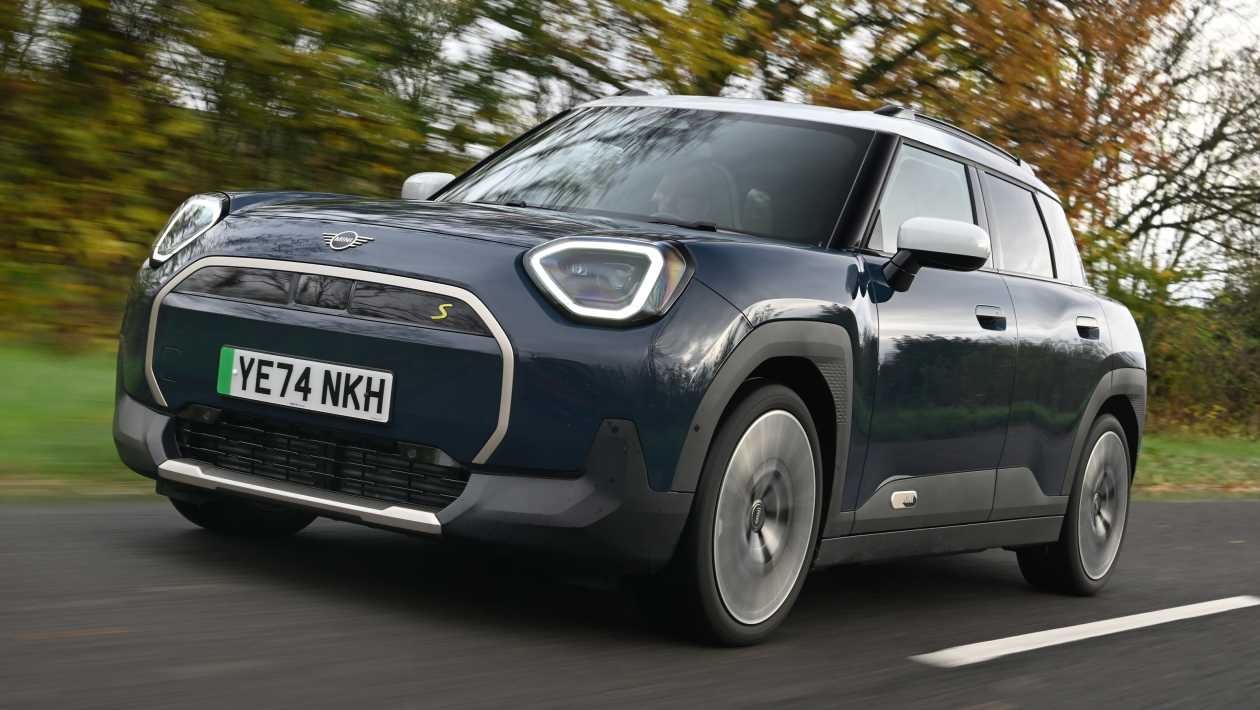
The MINI Aceman is a distinctive small SUV blending personality with electric power, but its appeal is tempered by practical shortcomings. While offering a usable 200+ mile range in its SE trim, a uniquely styled cabin, and engaging handling, it falls short in rear passenger space, ride comfort, and charging speed compared to some competitors.
Positioning in the MINI Lineup
The Aceman fills a gap between the entry-level three-door MINI Cooper and the larger Countryman SUV. Available solely as an electric vehicle, it provides a zero-emissions alternative to the five-door hatch at a roughly £2,000 price increase. This positions it as a more accessible, yet premium, option for those seeking extra doors, easier cabin access, and a slightly larger boot. However, the rear seats are best suited for occasional use or small children due to limited space.
Performance and Range Options
MINI offers two core Aceman models with varying battery capacities. The base Aceman E uses a 42.5kWh battery for up to 192 miles of range, while the Aceman SE boosts this to 54.2kWh, offering up to 251 miles. The high-performance John Cooper Works variant further enhances performance, achieving 0-62mph in 6.4 seconds with its “Boost” mode unlocking 254bhp.
Pricing Breakdown:
- Aceman E Classic: £29,000
- Aceman SE Classic: £32,000
- Aceman John Cooper Works Sport: £37,000
Driving Experience and Handling
The Aceman delivers a sporty driving experience with strong grip and quick acceleration, though its firm ride may not suit all drivers. The steering is responsive but can be overly sensitive when accelerating out of corners. While the handling is sharp for its weight class, the ride quality lags behind competitors, making it less comfortable on rougher roads. The car features multiple drive modes, but the “Go Kart” setting provides the most engaging experience.
Charging and Running Costs
The Aceman’s charging speeds are mediocre compared to newer rivals. Entry-level models peak at 70kW, while SE and JCW versions reach 95kW, taking around 30 minutes to recharge from 10-80%. This is slower than vehicles like the Jeep or Peugeot, which offer 100kW or higher. Home charging with a 7.4kW wallbox takes approximately seven to nine hours for a full recharge.
Key Financial Considerations:
- Depreciation: Retains 48-53% of its value after three years, similar to the Volvo EX30.
- Insurance: Starting in group 20 for the ‘E’ model, rising to 29 for the JCW.
- Tax: Currently exempt from road tax, but this may change in 2026. Benefit-in-kind (BiK) tax is low, making it an attractive company car option.
Interior and Technology
The Aceman’s cabin is visually striking, featuring high-quality materials and a minimalist design centered around a large circular touchscreen. However, the reliance on touchscreen controls for essential functions may frustrate some drivers. The infotainment system is responsive but not particularly intuitive, and the absence of a traditional instrument cluster is a drawback for those who prefer analog displays.
Optional Packages:
- Level 1: Adds head-up display, wireless charging, and heated seats.
- Level 2: Includes panoramic roof, tinted windows, and premium audio.
- Level 3: Features massaging front seats, VR navigation, and advanced safety features.
Practicality and Space
Despite its elevated ride height, the Aceman remains compact. While front passenger space is adequate, rear legroom is limited. The boot is small with a high load lip, making it less practical for bulky items. Overall, the Aceman suits urban driving and occasional use more than long-distance trips or family hauling.
In conclusion, the MINI Aceman is a stylish and engaging electric SUV that prioritizes design and driving feel over outright practicality. Its blend of retro charm and modern technology makes it stand out, but buyers should weigh its compromises in ride comfort, rear space, and charging speed before making a decision.