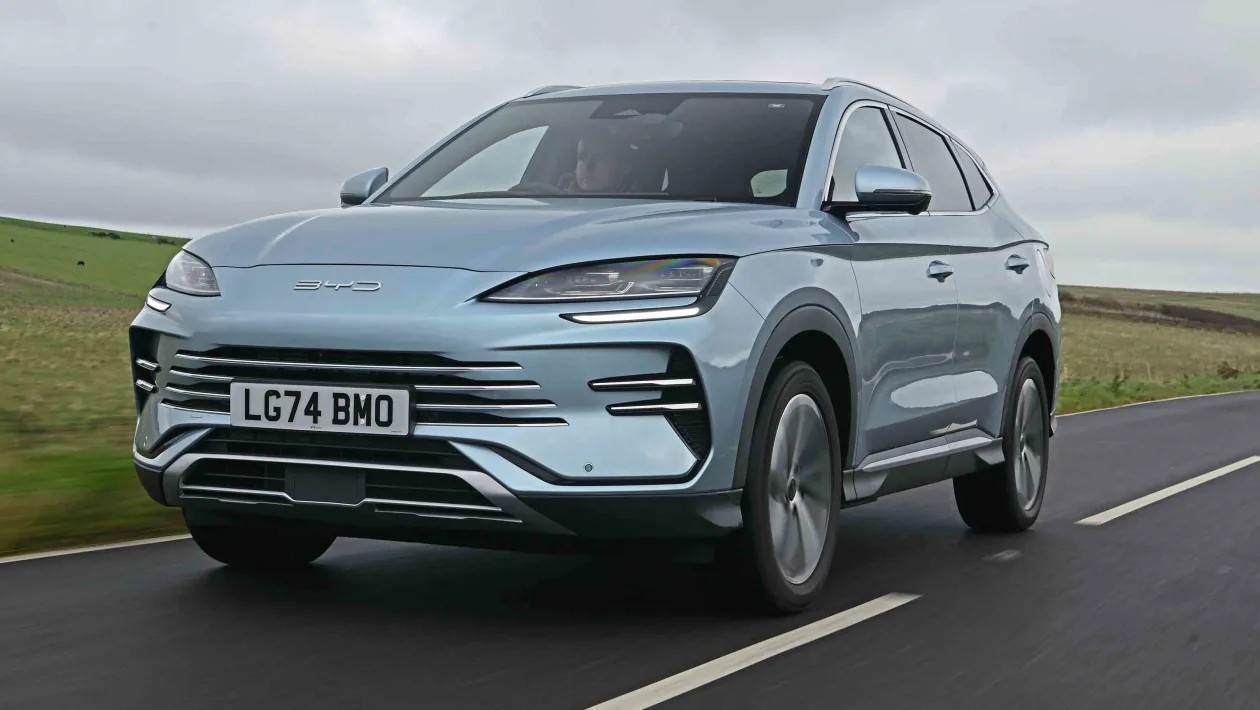
The BYD Seal U is a bold entry into the highly competitive UK mid-size SUV market. As the first plug-in hybrid (PHEV) from Chinese giant BYD to land on British shores, it aims to disrupt the status quo by offering high-end technology and a spacious cabin at a price point that undercuts many established petrol and diesel rivals.
However, while the Seal U excels in value and interior tech, it struggles to master the fundamental driving dynamics expected of a modern family SUV.
The Value Proposition: Tech-Heavy and Budget-Friendly
The most striking aspect of the Seal U is its pricing strategy. BYD has positioned this “Dual Mode” (DM-i) plug-in hybrid to compete directly with much more expensive European counterparts.
The lineup is divided into three distinct trims:
– Boost: The entry-level model, offering a solid foundation for around £33,000.
– Comfort: The “sweet spot” of the range. For a modest £2,000 upgrade, buyers receive a significantly larger battery, extending the electric-only range.
– Design: The performance-oriented, four-wheel-drive flagship. While it offers much more power, it comes at a premium and carries a smaller battery due to the extra hardware.
Performance and Driving Dynamics
The Seal U utilizes a 1.5-litre turbocharged petrol engine paired with an electric motor and a “Blade” battery. While the power delivery is generally smooth, the driving experience is a tale of two characters.
The Good: Punchy Electric Power
In urban environments, the Seal U shines. The electric motor handles most of the heavy lifting, providing a refined, quiet, and smooth experience during low-speed commutes. The top-spec Design model is particularly impressive, delivering 319bhp and a 0-62mph time of just 5.9 seconds—a feat for a vehicle weighing over 2.5 tonnes.
The Bad: A “Floaty” Ride and Vague Steering
Once you move onto B-roads or motorways, the Seal U’s limitations emerge. The suspension is tuned so softly that it can feel “wallowy,” leading to excessive body roll in corners and a sensation of floating rather than driving.
Furthermore, the steering lacks the feedback necessary for driver engagement. For a family car, while sports-car handling isn’t a requirement, the Seal U’s tendency to feel disconnected can make navigating bumpy roads or rapid lane changes feel unrefined.
Interior and Technology: A Modern Command Center
Inside, BYD delivers a cabin that punches above its weight. The materials feel sturdy, and the build quality is surprisingly competitive with established European brands.
- The Rotating Screen: The centerpiece is a massive 15.6-inch touchscreen that can rotate between landscape and portrait modes. While visually impressive, it can feel like a gimmick once you settle into a preferred orientation.
- Space and Comfort: The cabin is spacious and utilizes synthetic leather and brushed aluminium to create a premium atmosphere.
- Practicality Hurdles: Despite the roomy interior, the boot space lags behind class leaders, and the sloping nose of the car—combined with a narrow rear window—can make visibility and parking a challenge without the aid of the 360-degree camera.
Efficiency and Running Costs
The Seal U is designed for a hybrid lifestyle. Its real-world efficiency depends heavily on user habits:
– Electric Mode: If charged regularly, the electric range (up to 78 miles on the Comfort trim) makes it an incredibly economical daily driver.
– Hybrid Mode: When the battery is depleted, fuel economy drops. Real-world testing showed motorway figures around 35mpg, though it remains competitive with diesel alternatives.
A Note on Insurance: Potential buyers should be aware that the Seal U sits in relatively high insurance groups (up to 40 for the Design model), which may impact monthly costs more than the low purchase price suggests.
Verdict
The BYD Seal U is a vehicle of contradictions. It offers incredible value, impressive tech, and a premium feel for a fraction of the price of its rivals, yet it fails to deliver a cohesive, confident driving experience.
Summary: If you prioritize interior space, cutting-edge technology, and low entry costs over driving engagement, the Seal U is a compelling choice. However, those who enjoy a composed, precise ride may find its “floaty” handling disappointing.