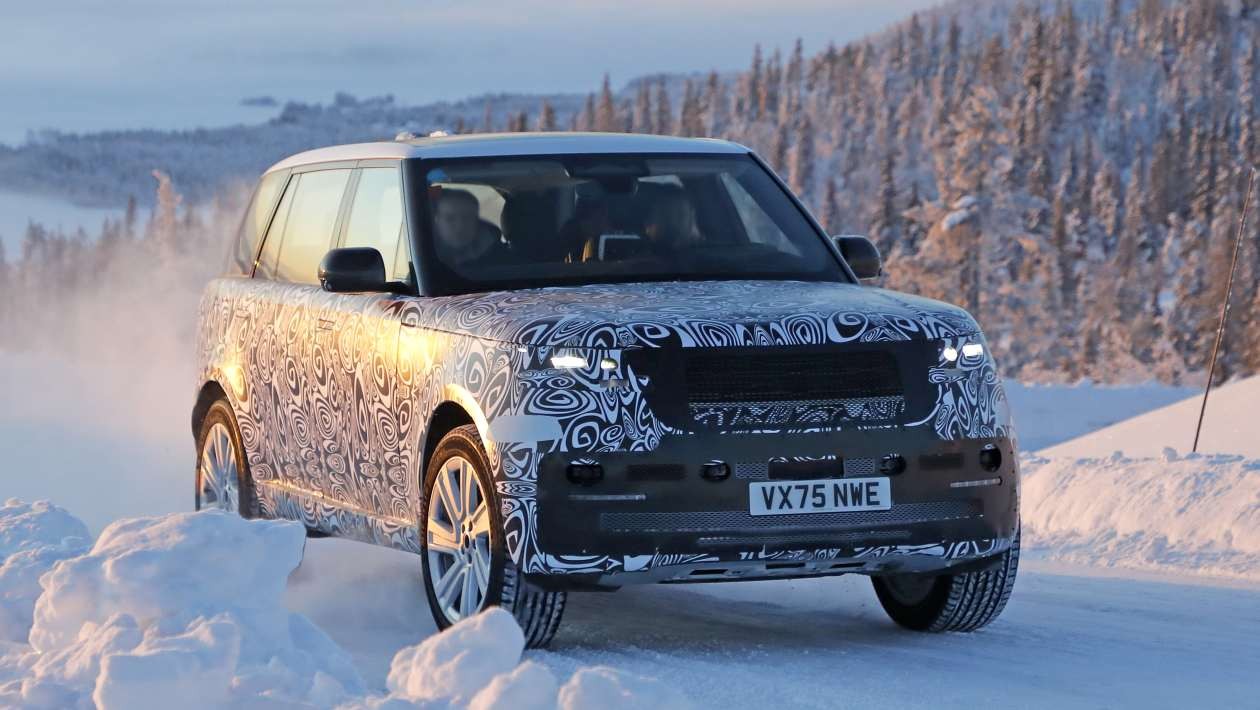
The next iteration of the Range Rover, expected in 2027, has been spotted undergoing testing, signaling an upcoming refresh. However, early adopters of the highly anticipated all-electric Range Rover, set to debut this summer, won’t see these cosmetic changes first. This staggered rollout highlights a strategic decision by Land Rover to prioritize the EV launch while preparing conventional models for a later update.
Exterior Refinements
Test vehicles heavily camouflaged reveal a smoother front fascia with potential bumper and headlight revisions. The iconic “floating” roofline and wheel arch trim remain unchanged, ensuring the Range Rover retains its signature silhouette. The rear maintains its current lighting setup, with no immediate shift towards a full-width light bar. This suggests a cautious approach to exterior redesign, prioritizing subtle evolution over radical transformation.
Interior Upgrades: Tech Focus
The most significant improvements are expected inside. While a complete visual overhaul isn’t anticipated, larger infotainment screens and a dramatically updated software experience are likely. Expect a cleaner interface, improved functionality, and a more streamlined user experience. New materials and color options will also refine the luxury cabin.
Powertrain Continuity
Under the hood, Land Rover will likely fine-tune existing powertrains. Mild-hybrid gasoline and diesel engines will continue alongside plug-in hybrid options. These adjustments aim to enhance efficiency and refinement without completely overhauling the current offerings.
EV Timing and Implications
The bigger question revolves around the Range Rover Electric. Its launch before the facelift means EV buyers will initially miss out on these visual upgrades. This creates a potential market dilemma: luxury EV buyers expect the latest design language. If Land Rover doesn’t integrate these changes into the EV at a later date, it risks alienating a segment willing to spend upwards of £200,000 on a premium vehicle.
“The timing of this facelift — likely next year, possibly early 2028 — means the EV will beat the revised car to market.”
This strategic delay underscores Land Rover’s focus on maximizing initial EV impact while ensuring the conventional Range Rover remains competitive. The company faces the challenge of balancing brand consistency with the expectations of high-end customers. The decision to prioritize the EV launch first suggests a calculated risk: delivering a groundbreaking electric vehicle before addressing the facelift for traditional models.