The Peugeot 2008 is a striking contender in the competitive small SUV market. Its bold styling, refined driving experience, and well-built interior make it stand out. However, it’s not without drawbacks: some competitors offer more engaging handling, and the controversial i-Cockpit design won’t suit every driver. This review breaks down what you need to know before considering one.
Design and Interior: Premium Feel, Divisive Layout
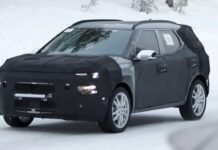
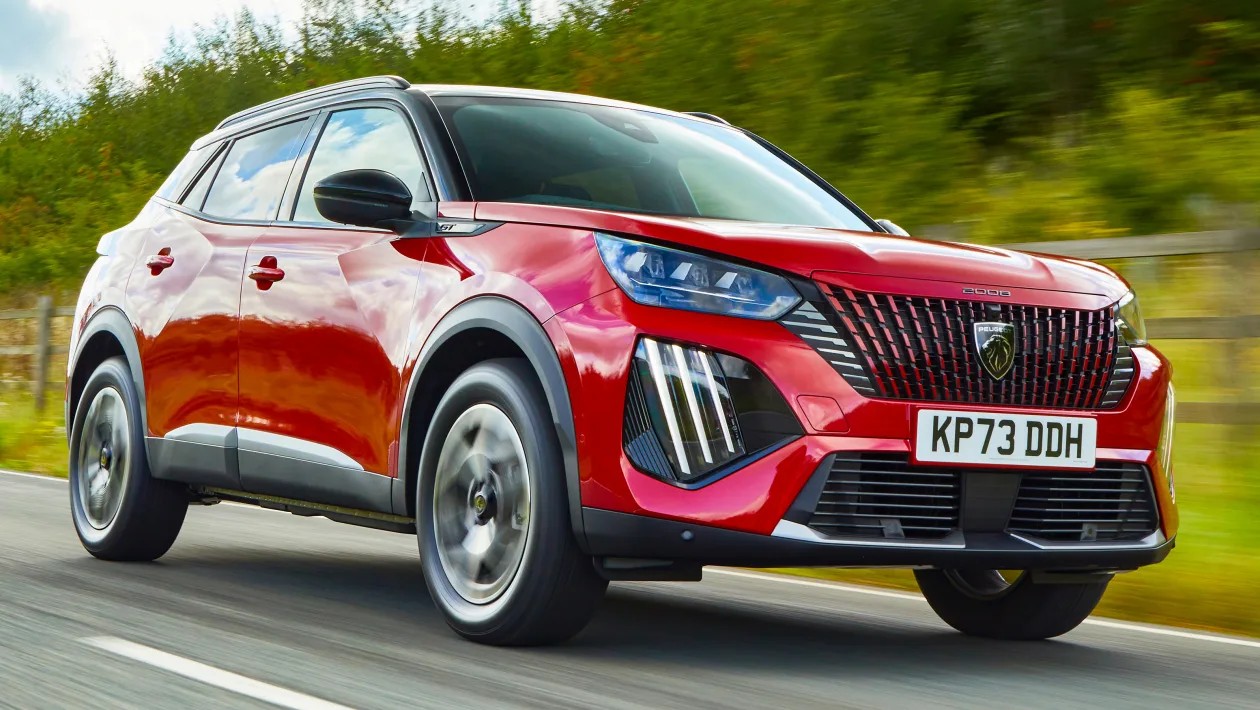
The 2008’s exterior is a clear strength. The recent facelift has sharpened its appearance, featuring Peugeot’s modern three-bar lighting signature and a distinctive front grille. It’s one of the more visually interesting options in its class.
Inside, the cabin aims for a premium feel. Materials quality is good for the price point, though cheaper plastics are present in less visible areas. The design is modern, but the infotainment system lags behind competitors in responsiveness. The lack of physical climate controls forces users to navigate a touchscreen for basic functions.
Peugeot’s signature i-Cockpit remains a talking point. The small, flat-bottomed steering wheel and high-mounted digital instrument panel can take getting used to. Visibility can be an issue for some drivers, as the wheel obstructs the view of the gauges. It’s best to test drive before committing to ensure it suits your driving position.
Performance and Driving Experience: Refined but Not Exciting
The 2008 prioritizes comfort over agility. It’s refined on the motorway and easy to drive in town, but doesn’t offer the engaging handling of rivals like the Ford Puma.
The engine range includes a 1.2-liter PureTech petrol with or without hybrid assistance, as well as a fully electric E-2008 variant. The 131bhp petrol is the preferred choice for combustion models, offering a good balance of efficiency and performance. The hybrid version delivers better fuel economy, but the petrol automatic can exhibit odd refinement issues during low-speed maneuvers.
The ride can be fidgety at low speeds, lacking the cushioning of competitors like the Renault Captur. High-speed stability is decent, but body lean is more pronounced than in sportier alternatives.
Running Costs and Value: Higher Insurance, Depreciation Concerns
The Peugeot 2008 is reasonably frugal, but insurance costs are higher than average for this segment. Hybrid models offer excellent fuel efficiency, but depreciation is a concern. Residual values trail behind the Ford Puma, meaning you’ll likely lose more money over three years of ownership. The electric E-2008 depreciates even faster.
Company car buyers will find the E-2008 appealing due to its zero-emission status and lower Benefit-in-Kind (BIK) tax rates. However, all versions avoid the luxury car tax threshold.
Model Lineup and Pricing: Premium Positioning
The 2008 line-up starts around £29,500 for the petrol version, rising to £33,000 for the hybrid. The electric E-2008 begins just shy of £34,000. This places it in a more premium price bracket compared to some competitors.
The 2008’s unique design, solid build quality, and refined driving experience make it a compelling choice. However, the divisive i-Cockpit, higher insurance costs, and depreciation concerns should be carefully considered. Ultimately, it’s a stylish and competent SUV that won’t appeal to everyone.