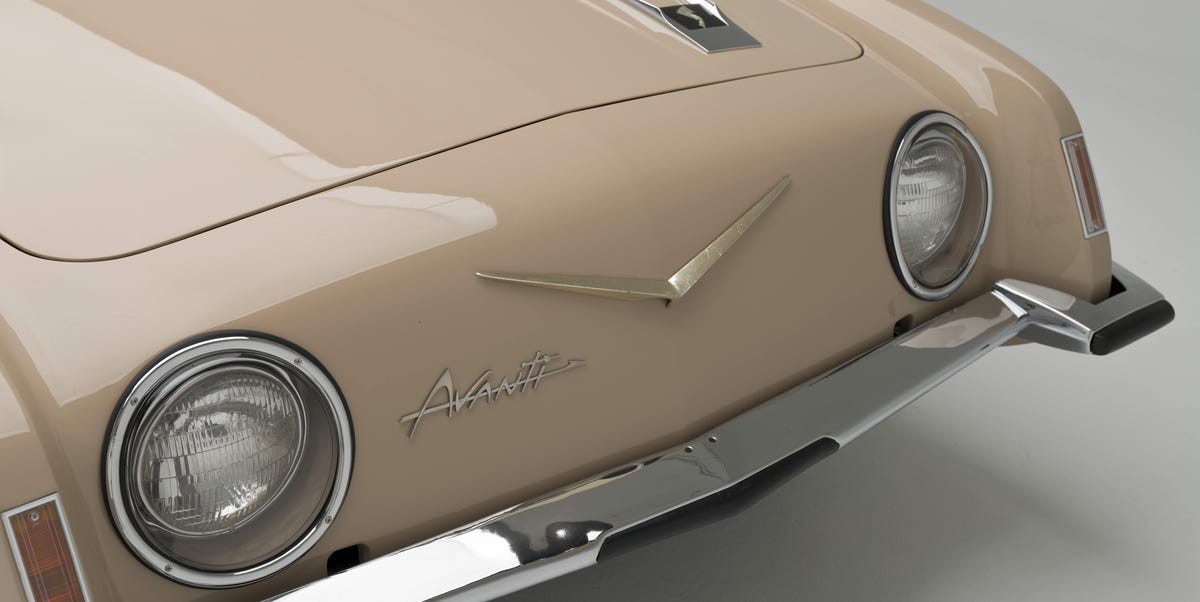
The Los Angeles County Museum of Art (LACMA) is set to unveil a striking addition to its new David Geffen Galleries this April: a meticulously restored 1963 Studebaker Avanti, personally owned and customized by legendary industrial designer Raymond Loewy. This isn’t just a car; it’s a statement on the intersection of design, speed, and cultural impact.
The Avanti’s Unlikely Origins
The Avanti emerged from a desperate gamble by Studebaker in the early 1960s. Facing financial collapse, the company’s board hired Sherwood Egbert – a former chainsaw executive and decorated Marine – to steer them away from automotive production. Instead, Egbert commissioned Loewy to create a flagship vehicle that would shock the market. The result? A radical, forward-looking car sketched on a napkin and rushed into production in just 40 days.
Loewy, responsible for iconic designs like the Coca-Cola bottle and Air Force One livery, brought his signature style to the Avanti. The car’s fiberglass body and powerful V-8 engine were a bold defiance of the industry’s norms. The R3 variant, with its supercharged 304.5-cubic-inch engine, even broke speed records at the Bonneville Salt Flats, hitting over 170 mph.
A Designer’s Personal Touch
LACMA’s exhibit features Loewy’s own R2 Avanti, further customized with a subtle three-tone paint scheme, aluminum accents, and bespoke touches from a French coachbuilder. The car even includes cable-operated exhaust cutouts, a detail hinting at Loewy’s preference for both beauty and raw power. Having owned the car, Loewy drove it himself to set speed records.
Why This Matters
The inclusion of an automobile in a major art museum raises questions about the very definition of art. While classic cars with handmade coachwork are readily accepted as artistic achievements, mass-produced vehicles often fall outside the traditional definition. Yet, the Avanti, born from a unique collision of industrial necessity and design genius, blurs that line.
LACMA’s decision to highlight California car culture through this exhibit reflects a broader trend: museums increasingly recognize the automobile as a cultural artifact worthy of preservation and study. The placement of the Avanti on equal footing with paintings by Magritte and Picasso underscores this shift in perception.
Ultimately, the Avanti stands as a testament to the power of design, even when born from desperation. Its presence in LACMA is a reminder that innovation and artistry can emerge from the most unexpected places.