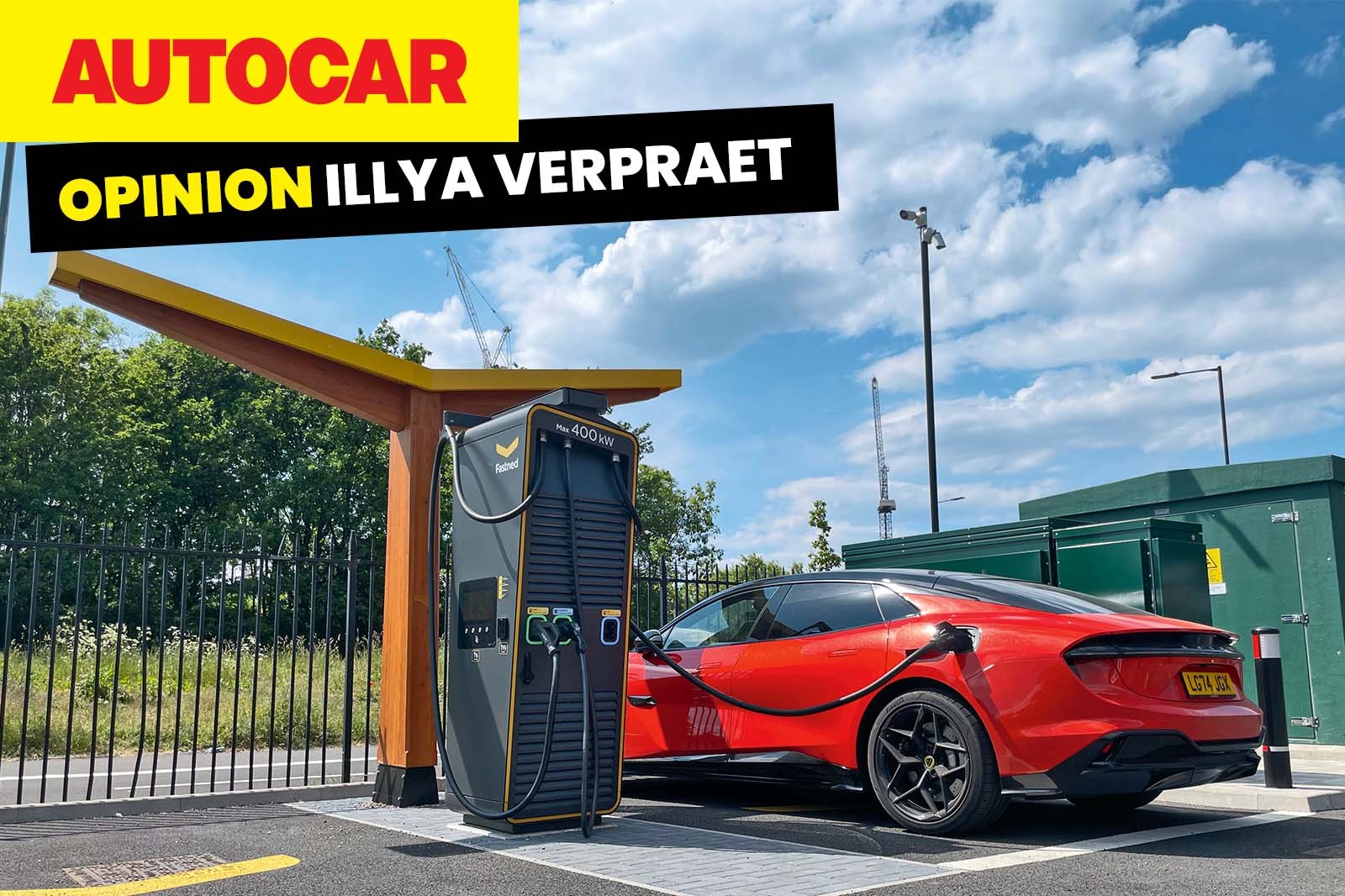
Electric vehicle (EV) charging speeds have improved dramatically in recent years, but the advertised maximums often don’t reflect what drivers experience in practice. While some EVs, like the Lotus Emeya, can theoretically accept up to 420kW of power, accessing this speed depends heavily on charger availability and grid capacity.
The Gap Between Potential and Reality
The question of how long it takes to charge an EV is becoming more relevant as adoption increases. Unlike gasoline refueling where speed differences are minor, EV charging times vary significantly based on both the car’s capabilities and the charger’s output. Tests by automotive publications since 2022 now routinely measure peak charging rates at different battery levels.
In 2019, a 150kW peak was considered fast, but chargers capable of delivering that speed were rare. Today, 150kW is considered a baseline. Yet, even with high-capacity chargers (350kW and above) the actual charging rate is often limited by real-world conditions.
The Problem with Peak Claims
The issue is simple: most charging sites don’t have enough power infrastructure to support multiple vehicles drawing maximum amperage simultaneously. A station with eight 350kW chargers can’t reliably provide that speed to all cars at once because the grid supply can’t keep up. Drivers may experience significantly lower speeds (around 100kW) even at fast-charging locations.
This makes advertised peak rates unreliable. Testing requires controlled conditions (like a dedicated, well-maintained facility) to ensure maximum output. In real-world scenarios, sharing power between multiple vehicles means slower charging times.
What This Means for EV Drivers
The push for higher charging speeds is essential, but infrastructure bottlenecks remain a significant hurdle. While manufacturers are building EVs that can accept more power, the grid and charging networks need to catch up to deliver consistent, high-speed charging to the masses. Until then, drivers should expect advertised rates to be optimistic rather than guaranteed.