The European compact SUV market is brutal. To succeed, cars must stand out – and Renault’s recent refresh of the Austral aims to do just that. The updated model refines a vehicle already positioned to compete in a crowded segment, but a key challenge remains: its pricing increasingly overlaps with established premium brands.
Sharpened Design, Familiar Footprint
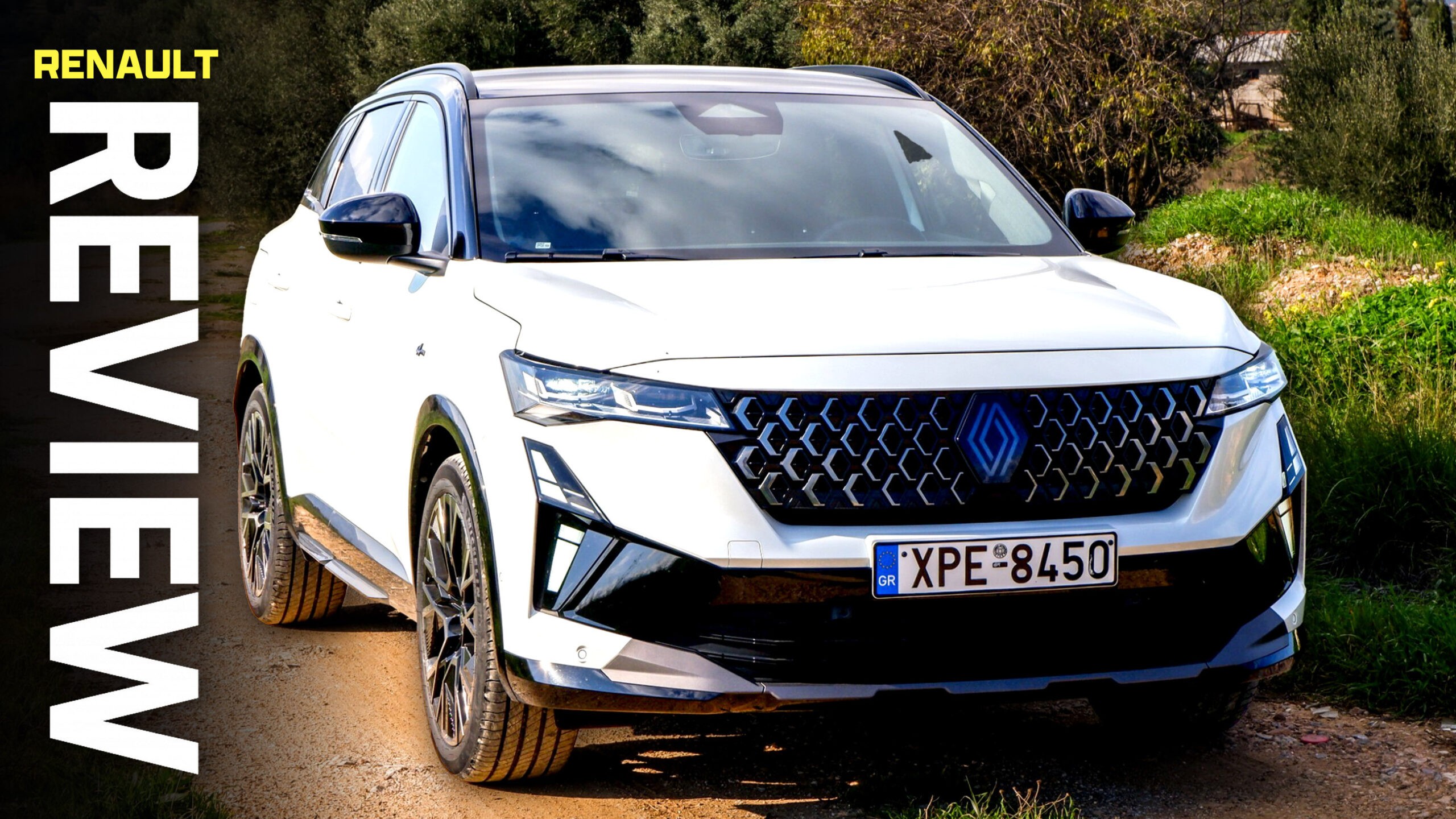
The Austral, launched in 2022 as a replacement for the Kadjar, initially offered a more angular design. The facelift further emphasizes this with a more aggressive front end, echoing cues from Renault’s flagship Rafale SUV. The profile remains largely unchanged, but revised taillights and available 20-inch wheels enhance the sporty aesthetic.
Notably, the design bears a striking resemblance to Peugeot models – a direct result of Renault’s current head of design, Gilles Vidal, previously shaping Peugeot’s lineup. This stylistic crossover isn’t accidental, but a deliberate evolution under new leadership.
Interior: Space and Tech with Minor Flaws
Inside, the Austral excels in rear passenger space, offering class-leading legroom thanks to a sliding rear bench. Cargo capacity ranges from 418 to 657 liters depending on the powertrain. The digital cockpit, featuring 12.3-inch driver and 12-inch infotainment screens, remains largely unchanged, with smooth Google-based software.
Renault wisely retained physical climate controls below the touchscreen, avoiding the frustration of fully digital interfaces. However, the touch-sensitive volume controls are awkwardly placed and distracting. The upscale Esprit Alpine trim adds Alcantara accents and ambient lighting, elevating the perceived quality. A 360-degree camera is surprisingly absent at this price point.
Powertrain Options: Efficient Hybrid Dominates
All Austral models are electrified and front-wheel drive. The base mild-hybrid offers 148 or 158 hp, but the standout is the E-Tech 200 hybrid. This powertrain combines a 1.2-liter turbo three-cylinder with two electric motors and a 2 kWh battery, delivering 197 hp.
The hybrid provides strong low-end torque, making for smooth urban driving. It averages under 6.5 l/100 km (36 mpg) and offers a claimed range of up to 1,100 km (684 miles).
Handling and Ride: Solid, But Firm
The Austral handles confidently thanks to its CMF-C/D chassis, direct steering, and reliable braking. However, the ride is stiff, particularly with the 20-inch wheels, making it less comfortable on rough roads. While four-wheel steering and multi-link rear suspension are available, the standard setup is adequate for most drivers. Renault deliberately omitted the adaptive suspension found in the larger Rafale to control costs.
Pricing and Competition: A Rising Premium Threat
In Greece, the base mild-hybrid Austral starts at €34,900 ($40,400). This is higher than rivals like the Citroën C5 Aircross, Kia Sportage, and Peugeot 3008. The hybrid E-Tech 200 begins at €42,000 ($48,600) and reaches €45,900 ($53,100) in Esprit Alpine trim.
This pricing places the Austral in direct competition with premium brands like BMW (X1), Mercedes (GLA), and Volvo (XC40). Buyers prioritizing brand prestige and resale value may choose those alternatives.
Conclusion
The Renault Austral E-Tech 200 is a well-rounded SUV that surpasses its Nissan Qashqai roots and represents a clear improvement over the Kadjar. The facelift delivers a sharper design, spacious interior, and enjoyable infotainment experience. While ride comfort and minor ergonomic issues hold it back, the Austral’s combination of style, efficiency, and performance makes it a compelling choice for buyers seeking a more distinctive family SUV. However, its rising price tag now puts it squarely in premium territory, where brand perception carries significant weight.