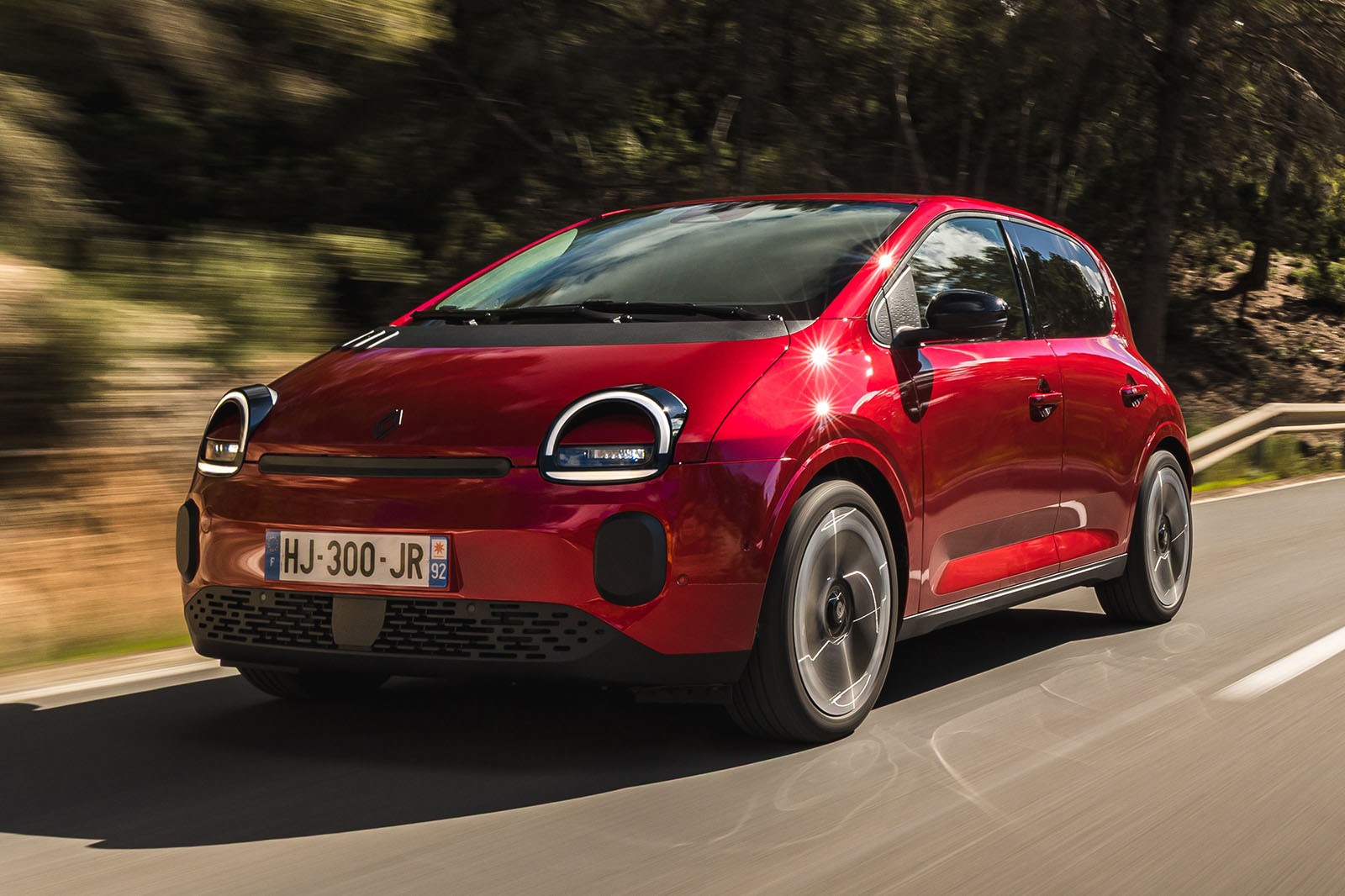
Renault is poised to launch the all-new Twingo in early 2027, a small electric vehicle designed for city life. The Twingo stands out by combining affordability with practical design, making it a compelling option in the crowded EV market.
Core Specs and Range
The 2026 Twingo is 3.79 meters long, built on a modified version of the Renault 5 platform. It utilizes a 27.5kWh lithium-iron-phosphate battery — a cost-effective choice that avoids expensive cobalt and nickel. The range is rated at 163 miles (WLTP), which may be limiting for frequent long-distance trips. Charging speeds peak at 50kW, which is standard but not exceptional.
Pricing and Competitors
Renault aims to price the Twingo competitively, starting under £20,000 in the UK. This makes it one of the most affordable EVs available, undercutting rivals like the BYD Dolphin Surf, Fiat 500e, and Hyundai Inster (the latter being the only competitor with a longer range).
Design and Practicality
The Twingo’s exterior is striking, with bold colors, a cheerful front end, and distinctive design cues like dragon-scale-inspired rear light clusters. The car features five doors and practical touches such as reinforced bumpers for urban parking.
Inside, the Twingo prioritizes a spacious feel despite its small footprint. Designers focused on maximizing glass area and minimizing segmentation between occupants. The interior includes real buttons and dials, plus a unique font stamped into the headlining as a cost-free design element.
Rear passengers benefit from sliding seats that adjust knee room versus cargo space. The split 50:50 boot floor offers a hidden 50-liter compartment for storing charging cables or other items. Total boot capacity ranges from 360 to 1010 liters.
Performance and Handling
The Twingo is powered by an 80bhp electric motor, delivering 129lb ft of torque. Despite its modest output, the car weighs just 1200kg, enabling a 0-62mph time of 12.1 seconds and a top speed of 81mph.
The Twingo’s low center of gravity and responsive steering make it enjoyable to drive. Regenerative braking is adjustable via paddles behind the wheel, offering both aggressive single-pedal operation and more conventional coasting.
The suspension is well-tuned, providing a comfortable ride without compromising handling. The car’s compact size and tight turning circle (9.87m) make it ideal for navigating narrow city streets.
Engineering and Parts Reduction
Renault streamlined the Twingo’s design by reducing the number of parts to 720 — a significant decrease from the 1200+ typically found in modern vehicles. This simplification contributes to the car’s lower weight and helps keep costs down.
The Twingo is not overtly unrefined, though some wind and road noise is present at higher speeds.
Ultimately, the 2026 Renault Twingo represents a smart balance of affordability, practicality, and driving enjoyment. Its compact size, efficient design, and competitive price make it a strong contender in the growing EV segment.