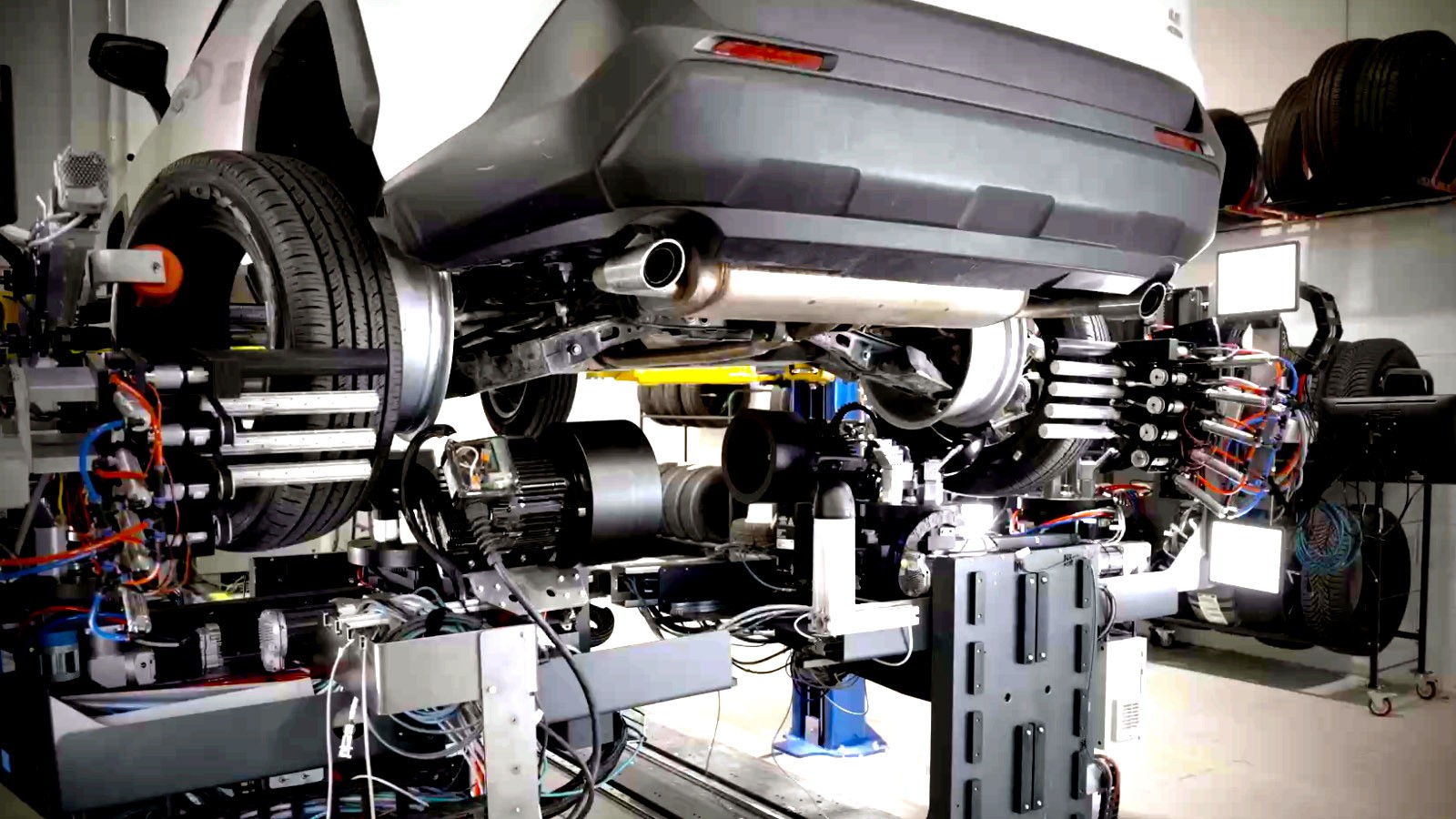
SmartBay arrives. Quiet. Expensive. AI-powered.
It claims it can replace the tire tech. Not just assist him, but replace him. The robot dismounts tires. Balances wheels. Cuts weights to within a hair of perfection. No lug nut fuss. No TPMS sensors getting yanked. The rim stays on the hub while the tire rolls off.
Seamless? Maybe. Affordable? Only if you count the subscription.
The Price Tag Hurts
The machine costs $4,900 a month to lease.
Do the math. That’s nearly $60,000 annually. Automatic Tire Inc (ATI), based in Boston, insists this is cheaper than a human worker. Andy Chalofsky, their CEO, sells it as efficiency. A human needs sleep. A human needs benefits. A human might quit.
The data doesn’t quite back up the “cheaper than a worker” claim.
Entry-level techs make roughly $17 an hour. Veterans hit $24. The annual range sits between $35k and $50k. SmartBay demands nearly $59k. ATI argues that benefits and turnover costs bridge the gap. Sure. Maybe.
Efficiency Or Risk?
ATI sells speed. One tech manages three SmartBay units simultaneously. The machine handles the heavy lifting, the dismounting, the balancing. Human hands stay out of it. Light oversight only.
The claim: 24 tires an hour.
Traditional method? Four tires. Maybe less. If the shop is understaffed, this looks like salvation.
Think again.
If one technician runs three bays, you don’t have redundancy. You have a single point of failure. When that one person calls in sick, the shop shuts down. Three expensive leases. Zero production. A 45-minute service window? ATI hopes to drop that to 30 minutes with time. That is the speed of a single competent human tech on a good day. Not three jobs done at once.
The Physical Catch
There’s a physical problem no algorithm can fix.
Large tires. We’re talking 33-inch or 35-inch behemoths. These things weigh 40-plus pounds. In a normal shop, a tech lifts them straight up, back squat style. Core engaged. Safe enough.
Watch the ATI video closely. The tech reaches over the apparatus. Twisting the torso. Lifting to the side. It introduces new strain. New injuries. Maybe faster service, yes. But at what cost to the operator’s back?
Also, ATI’s system tops out at 24-inch wheels. Off-roaders with massive rubber are left behind. The system ignores the niche market. It focuses on the volume cars. Suburbs. Commutes. Not rock crawlers.
Proprietary Black Boxes
We tried asking ATI hard questions.
What are the safety protocols on the lift? How does the balancer actually work? Do you leave the car in neutral?
The public phone number answered by a bot. A useless, polite bot.
Eventually, ATI’s PR firm sent back answers. Vague ones.
“Specific vehicle-disposition requirements… are part of the company’s proprietary operating process.”
Proprietary. That means “we won’t tell you because we own it.” It’s standard tech-speak for hiding details until you sign the lease. They say the workflow guides technicians safely. Standard 12-foot bay setup. That sounds simple.
We don’t know the failure points. We don’t know what happens when the AI misreads a valve stem.
The Verdict?
ATI says SmartBay cuts waste. Balancing precision down to 0.1 oz is impressive. Consistency is good. Customers don’t hate precision.
But the economics are brittle.
One person. Three robots. High stakes. If the machine breaks, the tech stands there. Useless. The shop burns cash through the nose while the machine sits silent.
It’s a subscription to efficiency. A gamble on uptime.
Shops are tired of understaffing. This promises a cure. It also introduces a new vulnerability. We’ll see if the robots are as reliable as they claim.
Or if they’re just expensive paperweights waiting to break.