In an era of rising inflation, the cost of entry into motorcycling has climbed steadily. Even “entry-level” models are seeing price hikes that make them feel less accessible than they once were. However, a shift in the secondary market is creating a unique opportunity for riders: depreciation is turning former flagship luxury machines into high-value bargains.
While many new riders are looking at the Honda NX500 —a solid, reliable entry-level adventure bike—they might be overlooking a much more powerful, premium alternative available for a similar price on the used market.
The Math of the Upgrade: Luxury for Less
The comparison between a new mid-range bike and a used liter-class tourer reveals a striking trend in motorcycle economics.
- The New Standard: The Honda NX500 carries a starting price of approximately $7,399 (excluding dealer fees and destination charges).
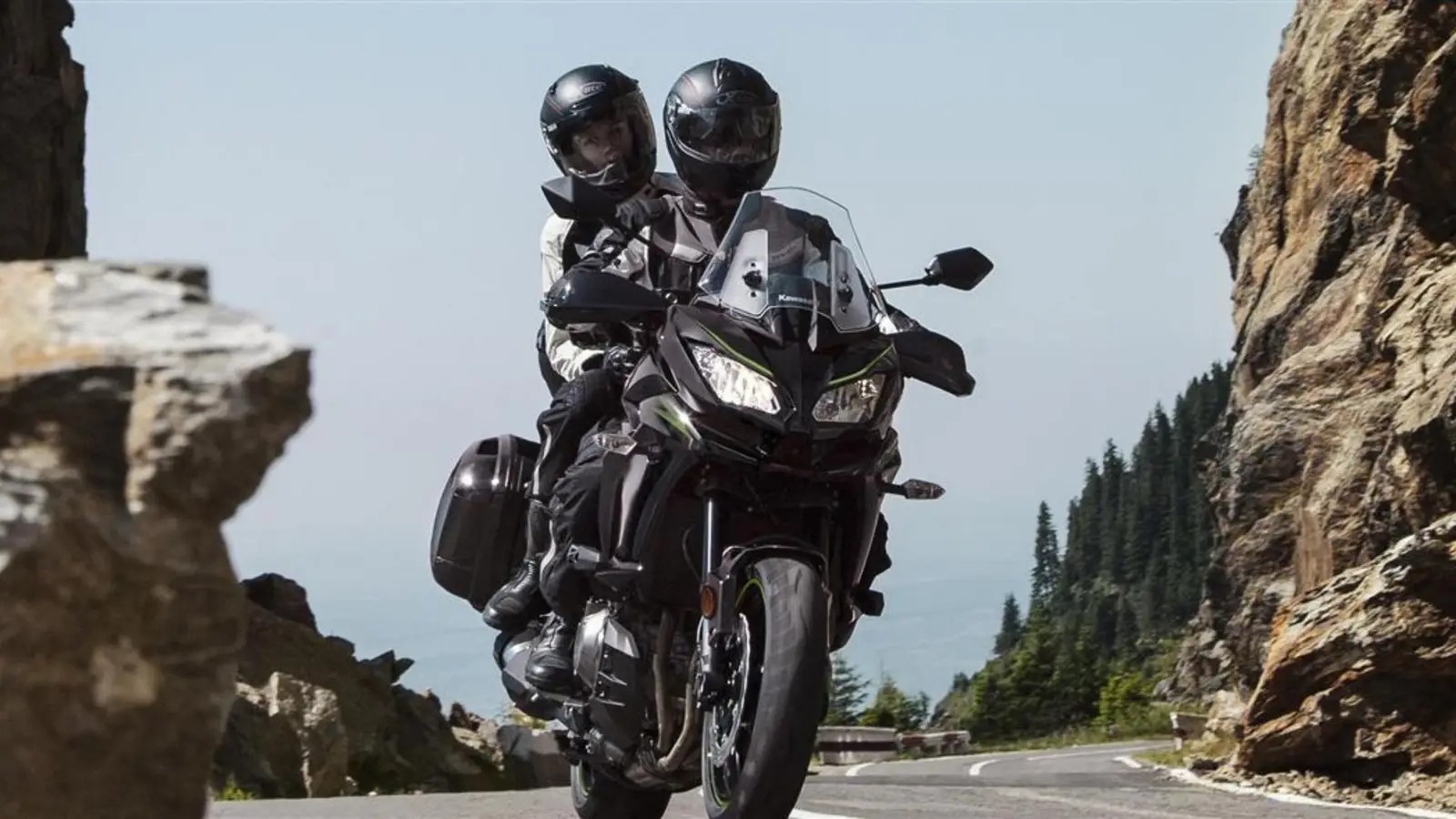
- The Luxury Alternative: A used 2018 Kawasaki Versys 1000 LT can currently be found for between $5,000 and $7,500.
By choosing a well-maintained used premium model, a rider can effectively “step up” a class. Instead of a lightweight middleweight, they gain access to a liter-class machine that originally commanded a premium price tag of nearly $13,000.
Engineering Excellence: The Inline-Four Advantage
The primary reason the Versys 1000 LT remains a compelling choice is its powertrain. Unlike many modern mid-range adventure bikes that rely on parallel-twin engines, the Versys utilizes a 1,043 cc inline-four engine derived from Kawasaki’s high-performance Ninja and Z1000 lines.
This isn’t a high-strung racing engine; rather, Kawasaki tuned it specifically for the touring experience. The result is:
– Smooth Power Delivery: Strong low- and mid-range torque for effortless highway cruising.
– Refined Performance: Approximately 120 horsepower and 76 lb-ft of torque, providing much more passing power than a typical entry-level twin.
– Reliability: A liquid-cooled, fuel-injected setup designed for long-distance stability.
Built for the Long Haul
The Versys 1000 LT was designed with a “touring-first” philosophy, focusing on stability and rider comfort—areas where smaller bikes often struggle.
Chassis and Handling
The bike features a twin-tube aluminum frame that offers a superior strength-to-weight ratio compared to traditional steel setups. This design, paired with a steel trellis subframe, ensures the bike remains planted even when fully loaded with a passenger and luggage. While it maintains an upright, adventure-style stance with nearly six inches of suspension travel, its 17-inch wheels ensure it handles more like a sport-tourer than a rugged off-roader.
Rider Comfort and Tech
For the long-distance traveler, the Versys offers several “creature comforts” that are often absent on budget models:
– Ergonomics: A wide, supportive saddle and an upright seating position.
– Wind Protection: An adjustable windscreen allows riders to customize airflow.
– Integrated Storage: The LT model includes 7.3-gallon hard saddlebags designed to integrate seamlessly with the bike’s aesthetics.
– Safety Systems: Even a 2018 model includes Kawasaki Intelligent Brake System (KIBS) and KTRC (Kawasaki Traction Control), providing a modern safety net that remains highly effective today.
Summary: A Strategic Choice for Riders
The current market allows for a strategic trade-off: by opting for a slightly older, high-end machine like the Kawasaki Versys 1000 LT, riders can bypass the limitations of modern entry-level bikes.
The Bottom Line: For the price of a new, modest commuter, you can acquire a sophisticated, high-performance touring machine capable of much more demanding journeys.