Chinese automaker BYD aggressively rolled out its advanced driver-assistance system, dubbed “God’s Eye,” across its entire vehicle lineup. The system, intended to rival Tesla’s Autopilot, is now facing widespread complaints of dangerous malfunctions, including instances where vehicles have nearly crashed into oncoming traffic.
Early Adoption, Widespread Issues
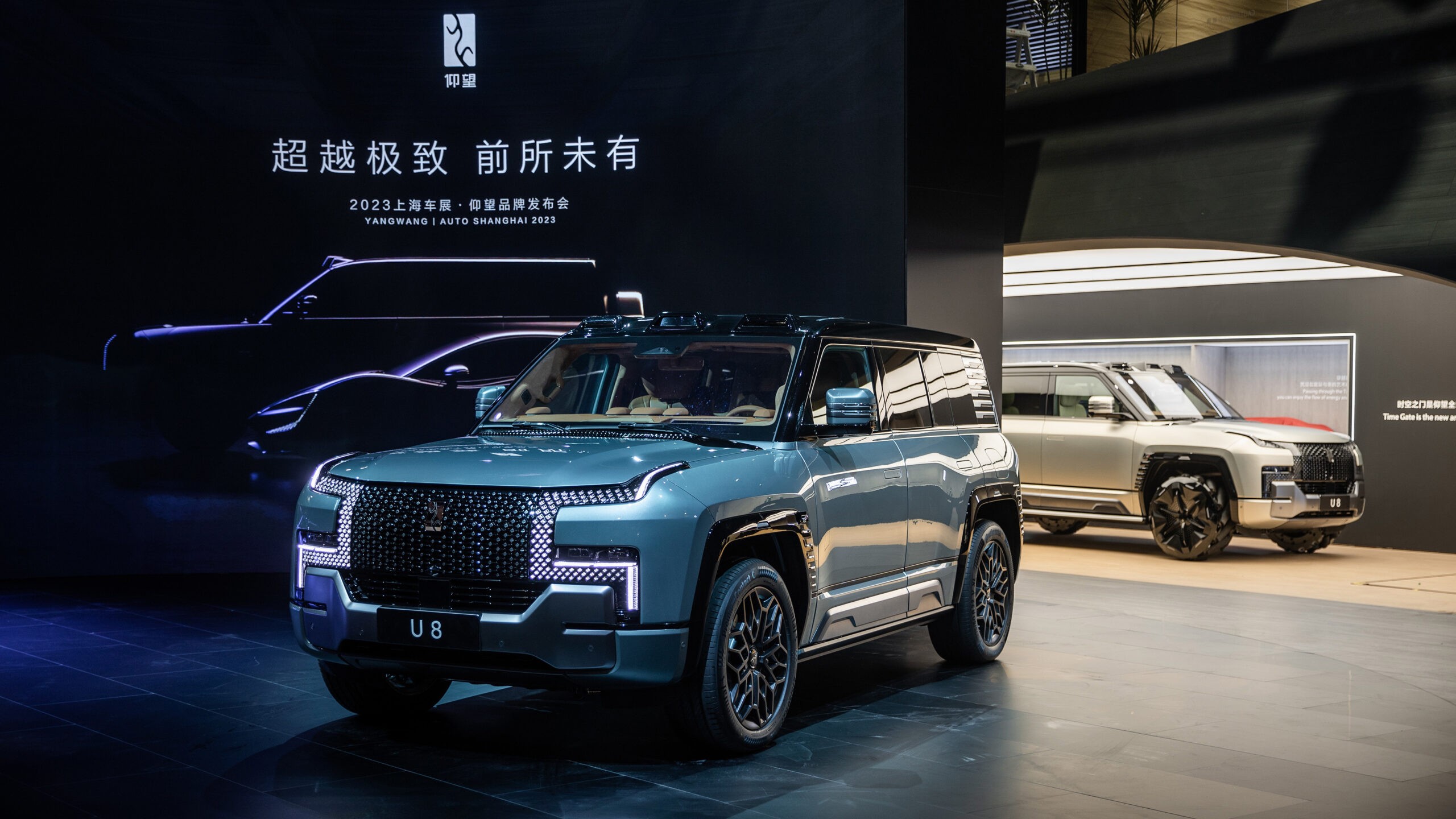
Unlike Tesla’s optional Full Self-Driving package, BYD made “God’s Eye” standard on over 2.5 million vehicles in China. One owner of a $160,000 Yangwang U8 luxury SUV reported that the system unexpectedly accelerated and swerved toward a median, while another incident nearly resulted in a head-on collision. These malfunctions raise questions about the readiness of the software before mass deployment.
Scale vs. Control
Western automakers typically deploy advanced driver-assist features as optional upgrades on select models, allowing for more controlled testing and refinement. BYD’s decision to equip nearly its entire range—from affordable hatchbacks to high-end SUVs—with the system has amplified the visibility of these flaws. This approach contrasts sharply with competitors like Ford and GM, which often delay or limit the rollout of such technologies until software issues are resolved.
Hardware Inconsistencies Complicate Testing
Further complicating the situation, BYD’s implementation varies across models. Some vehicles include lidar sensors, while others rely solely on camera-based systems. This inconsistency makes identifying and resolving bugs more challenging, as the hardware package isn’t uniform across the product line.
The rapid deployment of BYD’s “God’s Eye” system demonstrates the risks of prioritizing speed to market over thorough software validation. These incidents highlight the importance of incremental testing and controlled rollouts in autonomous driving technology.