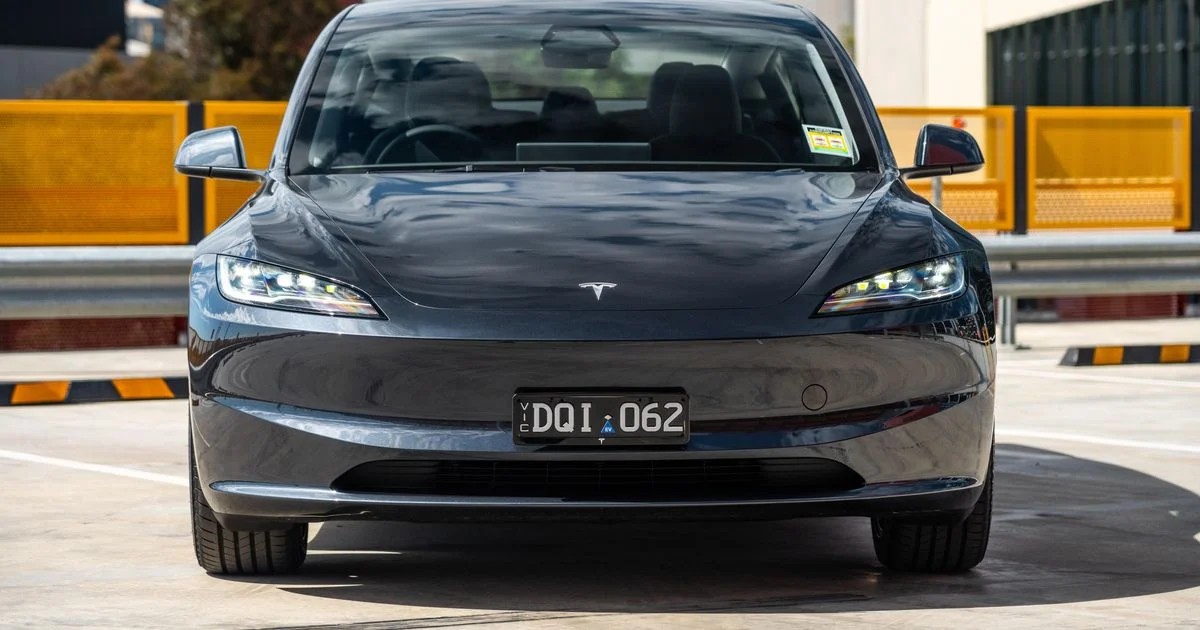
Tesla has delayed the rollout of Apple CarPlay in its vehicles due to a software conflict with Apple Maps, according to a new report from Bloomberg. The issue emerged when Tesla discovered that its Autopilot and Full Self-Driving (FSD) systems were incompatible with Apple’s mapping data, potentially leading to drivers receiving conflicting directions while using assisted driving features.
The Mapping Conflict Explained
Tesla uses its own mapping system for Autopilot and FSD, which operates differently from Apple Maps. Running both simultaneously could cause the vehicle to navigate a different route than the driver expects, creating a dangerous scenario where the car follows one set of directions while the driver believes another.
Apple addressed this by releasing a fix in iOS 26, its latest smartphone software. However, Tesla paused the CarPlay launch because not enough iPhone users had updated to the new version to ensure compatibility and prevent the mapping conflict.
Software Uptake: A Key Delay Factor
Initially planned for late 2025, the CarPlay integration was put on hold until a critical mass of Tesla owners had upgraded to iOS 26. This demonstrates how interdependent modern car features are on third-party software adoption. The delay highlights a broader trend: automotive features increasingly rely on external tech ecosystems, making seamless integration challenging.
However, Apple’s recent data indicates that the situation is improving. The company claims that 74% of iPhones from the last four years are now running iOS 26, meaning Tesla may soon be able to resume the rollout.
Android Auto Remains Unmentioned
Despite the CarPlay delay, Tesla has not provided any updates regarding the potential integration of Android Auto, Google’s competing smartphone mirroring system. The company originally announced that CarPlay would be added without specifying a timeframe, leaving owners uncertain about when—or if—the feature will become available.
The situation underscores the growing complexity of automotive software integration, where hardware and third-party updates must align for new features to function correctly. Tesla’s decision to wait for broader iOS 26 adoption shows a commitment to safety, even if it means delaying a highly anticipated feature.