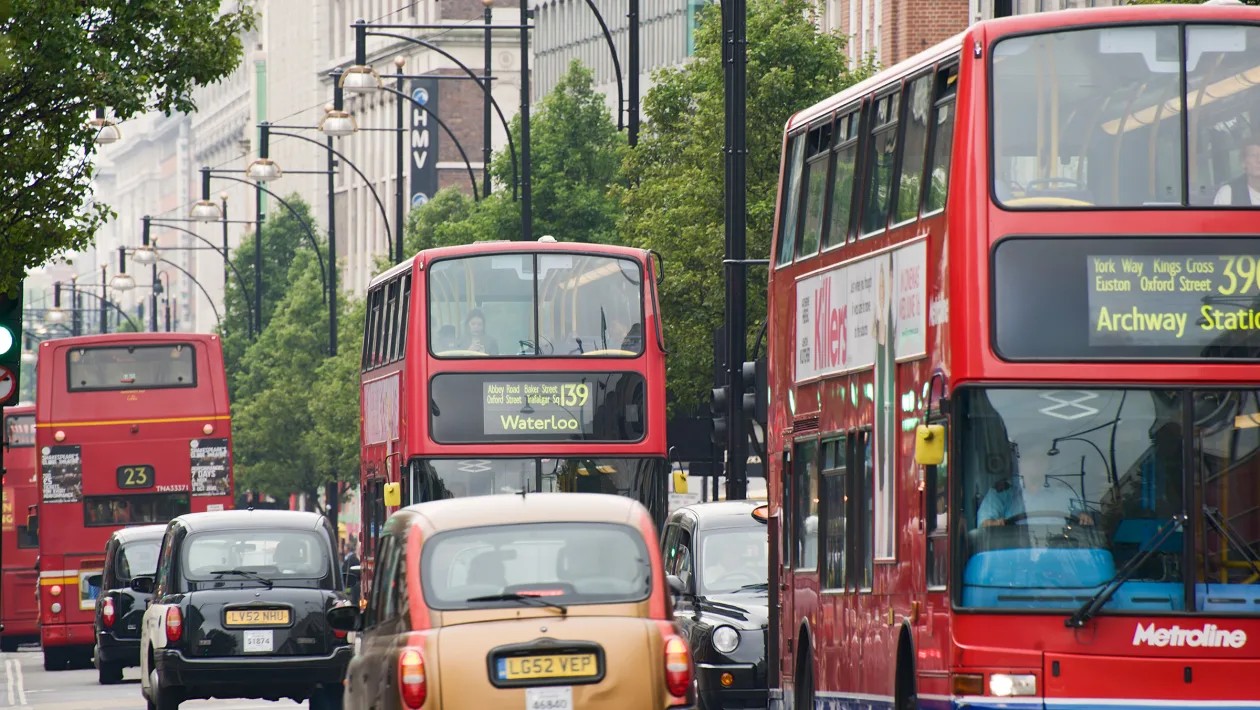
The UK government has unveiled its “Better Connected” transport strategy, a multi-pronged initiative designed to reshape how people move around the country. The core idea? Encourage fewer people to drive and instead push for wider adoption of public transport, car-sharing, and electric vehicles.
The Push for Public Transport
The plan centers on making buses, trains, and trams the most appealing option for everyday trips. To do this, the government aims to simplify payments across all modes, eliminating the need for complex fare splitting. The newly nationalized Great British Rail will play a key role in achieving this, alongside local support for pay-as-you-go and mobile ticketing.
Reliability is also a priority. Funding will be allocated to improve services, including real-time bus tracking via Google Maps integration and AI-optimized timetables. The Accessible Travel Charter will ensure that public transport is inclusive for people with disabilities. The ultimate goal is to create a network that is easy, affordable, and accessible for all.
Beyond Buses: Car-Sharing and EV Infrastructure
While public transport is the main focus, the strategy also promotes car-sharing schemes. Local authorities will receive guidance on encouraging car clubs, potentially through dedicated parking spaces.
For those who still prefer driving, the government will continue to invest in EV infrastructure. A £600 million investment will expand the availability of charging stations, and an ongoing consultation aims to lower public charging costs. The National Parking Platform will also streamline parking payments through existing apps.
Roads Still Matter (But Not as Much)
Despite the emphasis on alternatives, the government acknowledges the need to maintain existing roads. A £27 billion investment will be directed towards repairing motorways and major routes, while an additional £2 billion per year will be allocated for pothole repairs by 2029. This suggests that while the goal is to reduce reliance on private vehicles, the infrastructure will still be there for those who need it.
The strategy’s effectiveness hinges on whether these changes can genuinely make public transport and alternative options more attractive than driving. If successful, it could lead to lower congestion, reduced emissions, and more affordable travel for many.