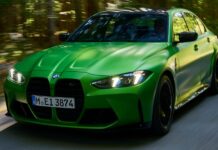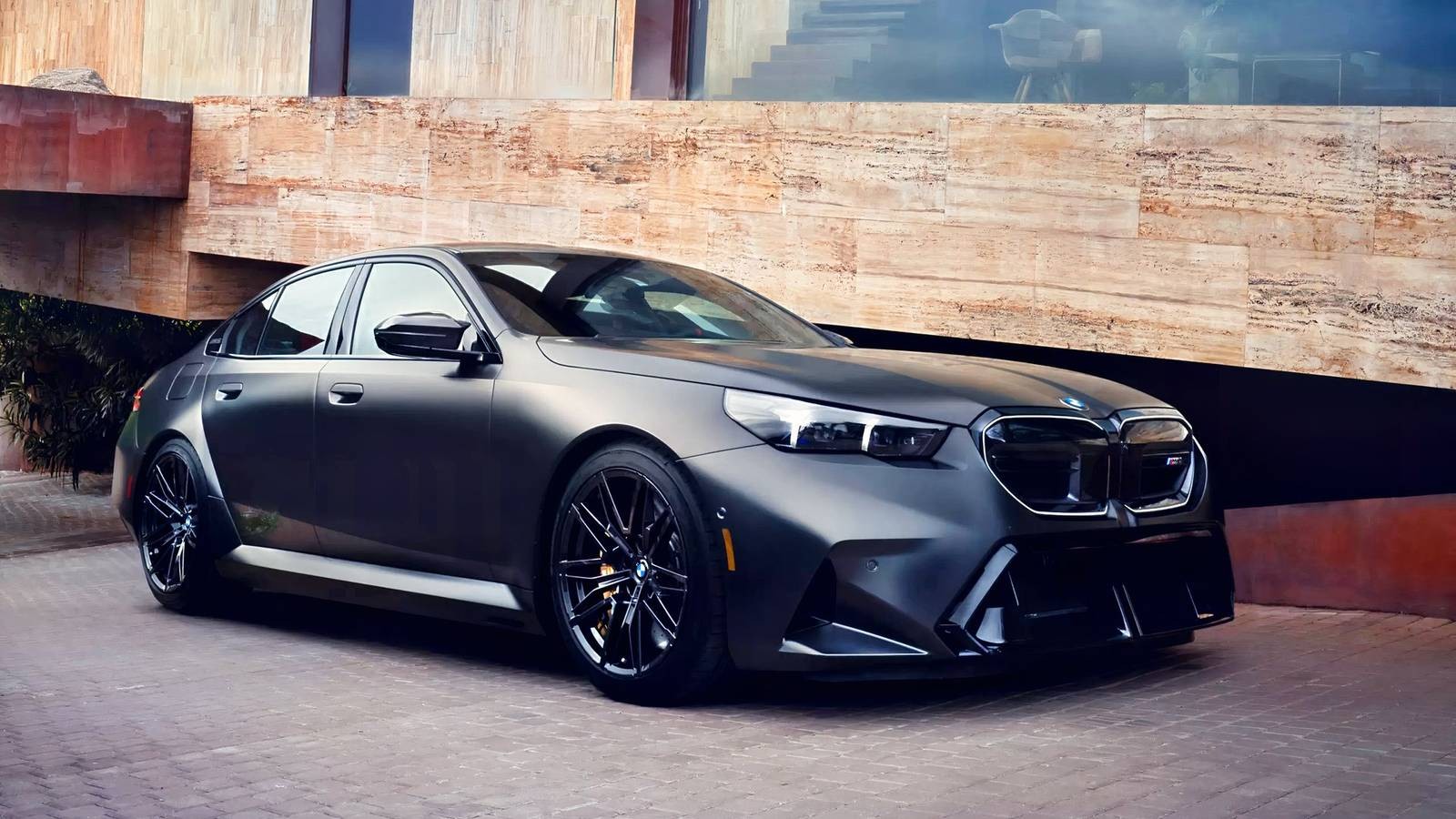
For decades, the BMW M5 has stood as the benchmark for the “super sedan”—a vehicle capable of performing like a supercar while maintaining the dignity of a luxury executive cruiser. While its sibling, the M3, often captures the headlines in coupe form, the M5 has historically been the flagship of the BMW M division, defining the very segment it inhabits.
However, the automotive landscape is shifting. Strict global emissions regulations are forcing even the most iconic performance icons to evolve, often in ways that purists find controversial. The 2026 BMW M5 is a direct response to this pressure, trading its traditional setup for a plug-in hybrid (PHEV) powertrain.
A Shifting Competitive Landscape
To understand the significance of the new M5, one must look at the vacuum left by its traditional rivals. In previous generations, the battle for supremacy was a clear three-way fight between the BMW M5, the Mercedes-AMG E 63, and the Audi RS6.
Today, that landscape is fragmented:
– The Audi RS6 is currently in a state of transition/development.
– The Mercedes-AMG E 63 successor remains uncertain, with current hybrid alternatives like the E 53 offering less power than the M5’s V-8.
– The Cadillac CT5-V Blackwing remains a formidable, traditional V-8 competitor, but its reach is limited primarily to North America, where emissions laws are less stringent than in Europe or China.
This leaves buyers in a difficult position. If you want a non-hybrid V-8, you must look toward much more expensive flagship models like the Porsche Panamera GTS or the Mercedes-AMG GT 63 4-Door. If you want a hybrid, you are often pushed into the $200,000 price bracket. The M5 occupies a unique sweet spot, offering high-end hybrid performance without the exorbitant price tag of ultra-premium alternatives.
Preserving the V-8 Soul
The most critical decision BMW M made was deciding how to electrify. While some competitors have moved toward smaller, highly stressed engines—such as Mercedes-AMG’s controversial move to a 2.0-liter four-cylinder hybrid in the C 63—BMW has doubled down on the 4.4-liter twin-turbo V-8 (the S68).
By integrating electrification into a large-displacement engine rather than replacing it with a small one, BMW has managed to preserve the “soul” of the M5. While the addition of hybrid components inevitably adds weight—pushing the vehicle over the 5,000-pound mark—the engineering focus has remained on maintaining the M5’s core competencies:
- Dynamic Handling: Despite the extra mass, the chassis tuning and body control remain class-leading for a plug-in hybrid.
- Auditory Character: The V-8 engine note remains a visceral experience, far superior to the high-pitched tones of smaller four-cylinder hybrids.
- Dual Personality: The M5 still functions as a “business sedan,” offering the refinement and comfort required for long-distance executive travel, even if the suspension must work harder to manage the increased weight.
Design and Interior: Tech vs. Tradition
The physical presence of the 2026 M5 reflects its complex engineering. Because the platform must accommodate both hybrid batteries and potential pure-electric architectures, the design is functional rather than purely elegant.
For enthusiasts, the M5 Touring (wagon) version offers a compelling alternative. The long roofline and taut proportions of the wagon help balance the car’s visual weight, making it appear more athletic than the sedan.
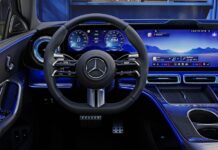
Inside, the cabin is a study in modern digital integration:
– The Tech: The iDrive 8.5 system is highly regarded for its responsiveness and interface.
– The Trade-off: In a push toward minimalism, BMW has reduced physical buttons. Most functions are now handled via large screens, which may frustrate drivers who prefer tactile, traditional controls.
– The Quality: Despite the digital lean, the build quality remains high, with extensive customization options for leather and trim to suit a six-figure luxury vehicle.
The Bottom Line: The 2026 BMW M5 is a compromise born of necessity, but it is a masterfully executed one. By choosing a V-8 hybrid over a smaller turbocharged engine, BMW has ensured that the M5 remains a legitimate powerhouse in an era of increasing regulation.
Conclusion
The 2026 BMW M5 proves that electrification does not have to mean the death of character. By prioritizing a powerful V-8 architecture within a hybrid framework, BMW has successfully navigated the transition to a greener era without losing the essence of the super sedan.