The UK’s Motability scheme, which provides vehicles to people with disabilities, recently came under scrutiny after Chancellor Rachel Reeves implied changes to the list of approved brands. This sparked debate over what truly defines a “premium” car in today’s market—a definition the scheme appears to have stuck in the past.
The Shifting Definition of Luxury
Historically, premium meant obvious luxury brands like Mercedes, BMW, and Audi. However, the automotive landscape has changed dramatically. The line between mainstream and luxury is now blurred. Many newer brands now match or exceed the quality and features of traditional premium cars at similar price points. For example, Kia is now the third-best-selling car brand in the UK, outselling some established luxury names. The top-spec Kia Sportage starts at over £30,000 and even qualifies as a “luxury” vehicle for road tax calculations.
Brands That Challenge the Status Quo
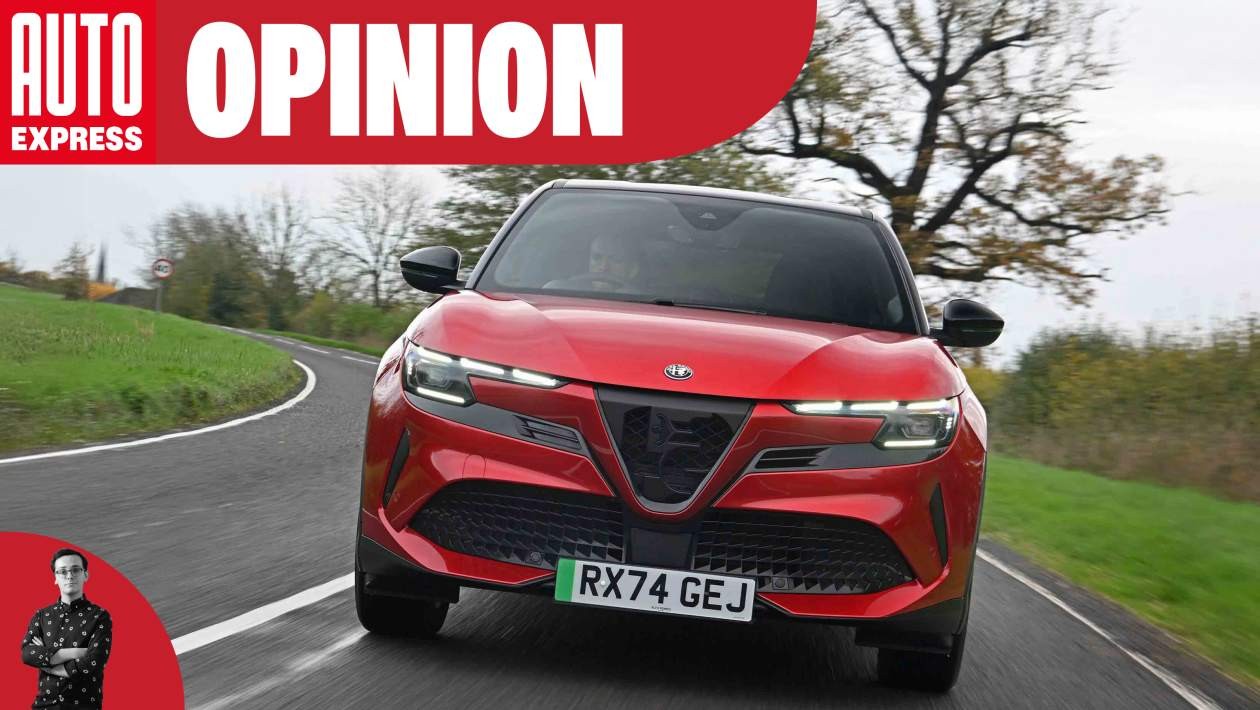
Skoda, once seen as a lower-tier Volkswagen Group brand, now produces models that rival or surpass VW and Audi in terms of interior quality and features—despite the less prestigious badge. The Skoda Elroq, Auto Express’ Car of the Year, is included in Motability listings, while Alfa Romeo’s Junior SUV has been removed for being “too posh.” This inconsistency raises questions about the criteria used.
Polestar and Volvo also compete directly with German premium brands in design and pricing, yet Reeves specifically singled out Mercedes for exclusion in her budget speech. The selective approach overlooks that most premium brands now offer entry-level models. The argument that entry-level cars undermine the scheme falls apart when all excluded brands also provide accessible options.
Finance, Leasing, and Social Media: The Democratization of Luxury
The rise of finance, leasing deals, and social media influence has made premium cars more mainstream than ever. A fully-loaded Peugeot or Volkswagen can feel just as luxurious as a BMW 1 Series. The difference, in many cases, is minimal.
The lines between premium and mainstream are so blurred that the value proposition is now largely determined by individual preferences rather than brand alone.
Ultimately, the Motability scheme’s outdated list fails to reflect the current automotive reality. The judgement of whether a car is “premium” is now subjective, and consumers should compare like-for-like options to find the best value.