You probably don’t give it much thought. Dark and hidden infrastructure wires, fuses and connectors. they are everywhere. on your phone. on your laptop. But they are most important in cars. Modern car electronics rely on these common components to function. Without them, the qualities we take for granted would not exist.
Reliability has grown tremendously. Just a few years ago, electrical gremlins were a common headache for drivers. now? There aren’t that many of them. The system has become stricter. Be more consistent. But there are also compromises. Complicated.
Why modern wiring is so complicated
Today’s cars are rolling data centers. It’s not just a few circuits. There are literally thousands of them. The explosive complexity of electronic devices is a direct result of consumer expectations. Security features. Infotainment. Driving assistance system. All of this requires power and communication. This means more wires.
We need to look at the components. It’s not high-level software, it’s physical hardware. the wire itself. The fuses that protect it. connectors to connect them. Understanding the fit together of these components reveals why a car’s electrical system is sensitive and durable.
Wire: Not just copper wire
Let’s start with the wire. Sounds simple. metallic core. plastic coating. But the specs are important. Automotive wiring must withstand extreme temperatures. vibration. Exposure to chemicals. oil. coolant. road salt.
The conductor is usually copper. Tinned copper is often used to prevent corrosion. The insulation material is special. It’s not just rubber. It is typically cross-linked polyethylene or PVC formulated for automotive use. A wire’s gauge determines how much current it can carry without overheating. Thin wire for speakers. Thick for starting the engine. If you make a mistake, it will catch fire. Or the whole car.
Fuses: The circuit’s bodyguard
Fuses is non-negotiable. They are the first line of defense. If too much current flows through the circuit, the fuse will blow. It sacrifices itself. The connection is lost. Save the rest of your system.
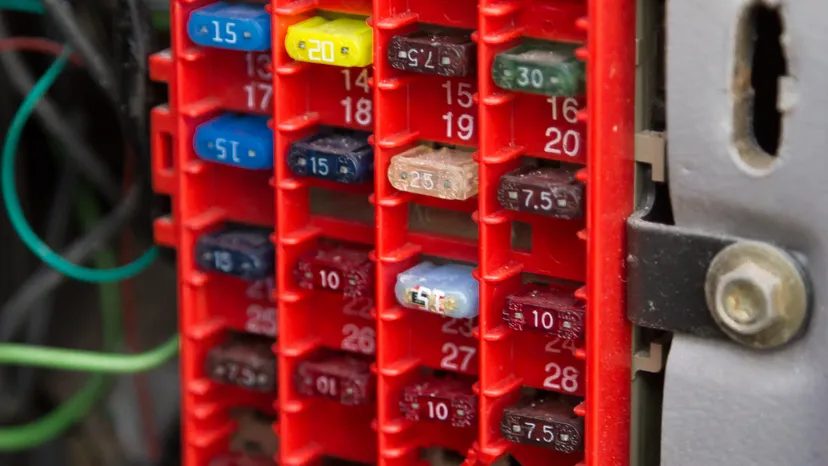
Steel bushings are used in modern cars. Pocket size. color coding. Easy to change. But they are more than just breakers. They are calibrated for a specific amperage ratings. A 10 amp fuse will blow faster than a 20 amp fuse. This particular feature is important. Protects sensitive electronic control units (ECU) from overvoltages.
Where are they located? Usually in the engine compartment fuse box. In some cases, it is located near the driver’s feet on the driver’s feet. Knowing the location of the fuse can help you avoid problems.
Connector: weak link?
Connectors often hide problems. Connect the wires to the components. Connect wire sets to other wire sets. A bad connector means an open circuit. Loose connections cause intermittent failures.
Modern connectors use locking tabs. sealant. Corrosion inhibitor. Designed to stay put. However, vibration can still have negative effects. Heat breaks down plastic. Water seeps in. When the connector fails, diagnosis becomes a nightmare. You must have a good wire. Good fuse. But the pin is broken, so there is no signal.