The Volkswagen Kombi is not new. It has evolved. It started as a simple tool. Now it has become a legend. The journey took 75 years. Volkswagen is celebrating this milestone in Wolfsburg, Germany. The party will be held at our annual meeting on May 24 and 25. This is more than just a party. It’s a reckoning with history.
From Workhorse to Counterculture Symbol
In 1950, the Combi was purely practical. Nothing extra. No pretending. It was built to transport goods and people. The design is very simple. Reliability is undeniable. These two features changed everything. Families loved it. Adventurers love it. It is also used by professionals. It wasn’t a status symbol back then. This is essential.
However, cars also have a useful life. In the 1960s and 1970s, the Combi slipped into the hands of the counterculture. It became the most popular means of transportation for hippies. It represents freedom. It means escape. The flatbed and the bus became canvases for a generation that refused to conform to standards. The Combi doesn’t just take you somewhere. It tells the world who you are.
The Modern Electric Shift
Let’s fast forward to today. The soul remains, but the engine has changed. Volkswagen is not resting on its laurels. They adapt. The classic Transporter and Caravelle now offer a hybrid option. But the real headline is the ID. Buzz. This is the electric successor of the legendary Microbus. Maintains a boxy silhouette. It keeps the social vibe. But behind the scenes, it’s pure electric. This is not just a nostalgia play alone. This is a feature update tailored to modern needs.
Collectors know the value of old objects. Restored vintage Combis are very popular. Popular with enthusiasts who value mechanical simplicity. Newer electronic versions may lack this tactile connection. It might not smell like old vinyl or gasoline. But they have the same visual weight.
From a practical utility vehicle to a cultural icon, the Kombi is now a symbol of modern freedom.
Will the ID. Buzz captures the same spirit? Old vans are loud, smelly and rebellious. The new product is quiet and efficient. Maybe that’s the point. Maybe freedom looks different now. Wolfsburg’s 75th anniversary event brings these worlds together. Old metal next to the new battery. It’s a strange arrangement. But it’s the only way forward.
The road ahead is electric. History is heavy. The Combi straddles both. What happens next? Let’s see.
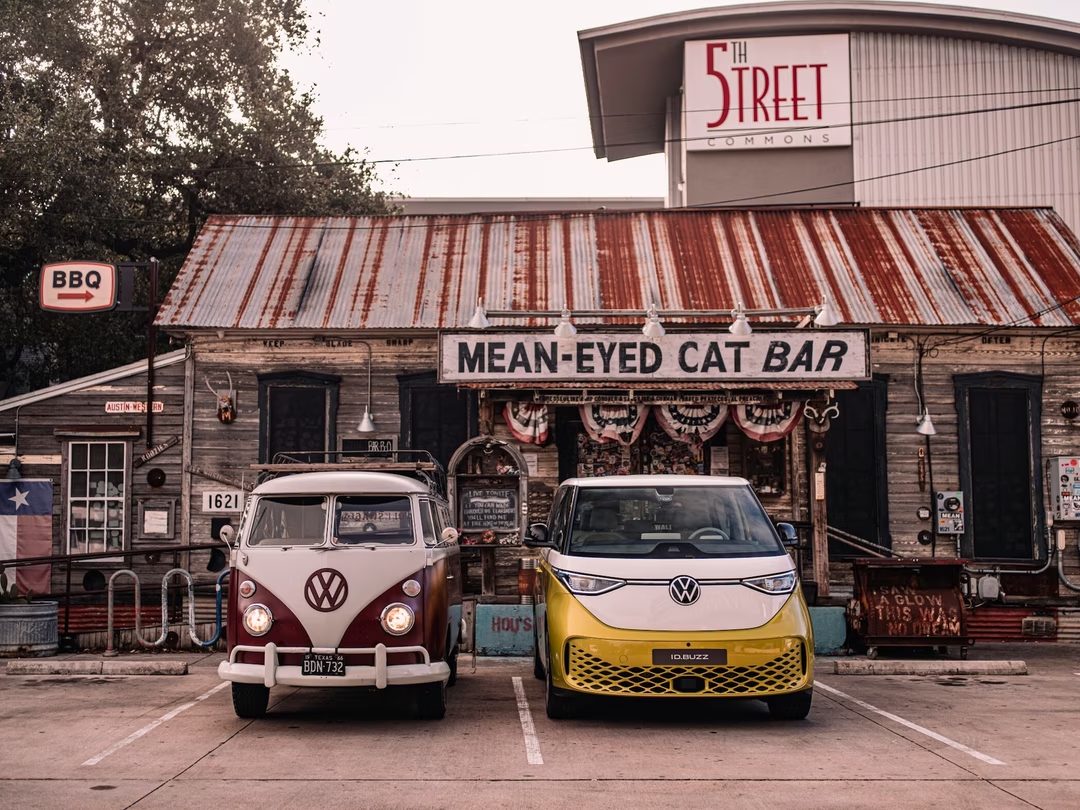
The ID. Buzz: Volkswagen’s electric car returns to the Combi tradition
The original Combi didn’t just survive; It has evolved. Each generation brought with it new technology and style adjustments, but the soul of the original remained intact. It is because of this adaptability and modular design that it has been popular around the world for so long.
Now Volkswagen has brought this tradition into the 21st century.
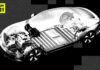
the company unveiled the ID. Buzz concept. It’s an electric reinterpretation of the van, combining iconic retro style with modern design. Under the hood (or rather under the floor) it rides on Volkswagen’s MEB platform. This is a modular electrical architecture shared with the Skoda Enyaq and the ID.4 and ID.5.
Production finally kicked off in 2022.
This is not just a nostalgic act. It marked the Combi’s actual return to the roads, and it now operates without emissions.
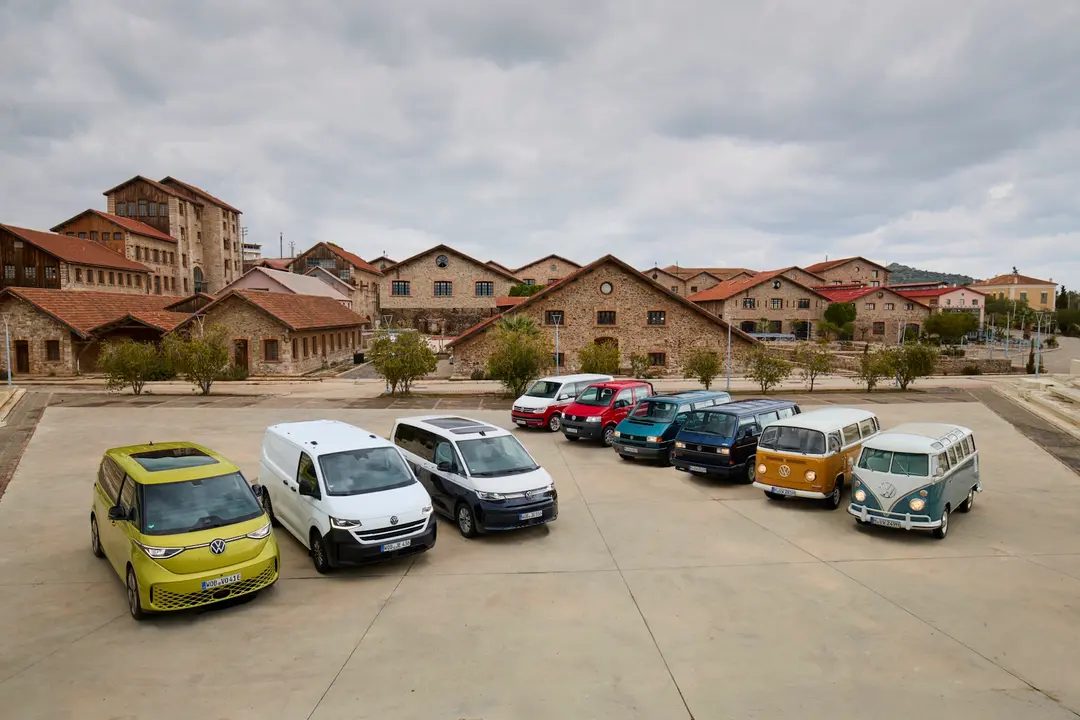
A long journey: 75 years of Volkswagen Kombi development
75 years is a long time for the automotive industry. It is enough for the car to turn from new to obsolete, and then, against all expectations, return to legend. The Volkswagen Kombi (better known to most people as the Type 2, Transporter or simply bus) has managed to stay relevant through sheer tenacity and engineering. It began as a practical tool in post-war Europe. It eventually became a cultural icon. Now it is a all-electric ID. Buzz, it’s back to where it started: a versatile workhorse, but doing it with quiet electric precision.
The original T1 was introduced in 1950 and had an unfashionable design. Designed to carry cargo. Split windows, flat fronts, air-cooled rear engines – these were all solutions to limitations. But limitations create individuality. The round shape isn’t just for aesthetics. Practical for body-on-frame construction that may be exposed to impacts.
From Workhorse to Cultural Canvas
In the 1960s, the Kombi had escaped the workshop. It became a tool of the counterculture. Hippies don’t care about payload. They care about their payload capacity. They value space. Thanks to the interior of the box, the whole family can sleep, live and travel on different continents. This transition is important. The van becomes a symbol of freedom.
Combi doesn’t just transport people. it transported ideas.
This dual identity of practicality and lifestyle became the backbone of the brand. From the angular T2 to the rounded T3 and sleek T4, each successive generation has tried to balance these two worlds. They tried to modernize the cabin while preserving its soul. The T5, with front-wheel drive and a transverse engine, was a significant technological advance. It loses some of its old-school charm, but gains car-like dynamics. This is safer. More comfortable. But purists lamented the loss of the air-cooled boxer engine’s unique sound.
The Electric Pivot: ID. Buzz
Then a break. For a while, the identity was divided. Commercial trucks continue to operate as Crafter and Transporter. Car versions have faded into the background, overshadowed by minivans and MPVs that prioritize sliding doors and family space over style. The Combi seemed to be in hibernation.
But Volkswagen remembers. The market has changed. Emissions regulations are being tightened. The new generation wants a retro look and modern efficiency. The result is an ID. Buzz.
This is not a retro-bait gimmick. This is a serious platform play. Built on the MEB modular electric drive kit. The Buzz has the shares its bones as the ID.4 SUV. This means a flat floor, a long wheelbase relative to its footprint and an emphasis on interior space. The classic features are still there, but reinterpreted. The split windshield is gone and replaced with a single glass that improves visibility and reduces drag. The iconic VW badge takes center stage. The round headlights are clearly LED, but they reflect the T1’s eyes.
Why the ID. Buzz Matters Now
The return of the Combi in electric form to answer certain questions.