


Let’s get one thing straight immediately: unless you are buying a collector-grade classic, a car is not an investment. It is an expense.
You’ve probably heard people justify financing a new Porsche 911 or a high-end BMW by claiming they are “smart assets.” They aren’t. They are liabilities that bleed money the moment the title changes hands. Sure, a handful of new cars do appreciate. But those are wild outliers. Predicting which model will hold its value is basically gambling. Assuming a fresh purchase will gain equity is a dangerous gamble. Most vehicles lose value. Fast.
Think of a new car like a refrigerator. You buy it. It starts depreciating immediately. It breaks. It needs parts. You spend money to keep it running. That is the reality of ownership. You are unlikely to ever recoup what you paid, let alone make a profit. It is fine to spend cash on something that loses value if you enjoy using it. Just don’t call it an investment strategy.
The Smarter Way to Buy a Daily Driver
A car purchase is emotional. We know this. But using financial logic to justify an emotional buy is a trap. If the idea of watching your bank account shrink while your car sits in the driveway makes you sweat, stop buying new.
The smartest move? Buy a used car that is only a few years old. Look for models with top-tier reliability scores and strong fuel efficiency. It will feel new to you. The first owner already took the massive depreciation hit. You get the modern tech, the safety features, and the reliability without the steepest part of the financial cliff.
When Classic Cars Actually Make Sense
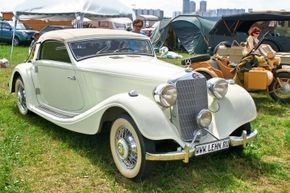
There is a different path if you have the time, money, and space. This is where classic cars come in. But buying a vintage vehicle as an investment is not like buying a Honda Civic. You cannot treat it like a transportation tool anymore.
Driving your investment is a massive risk. One fender-bender, one hail storm, or one theft can wipe out years of potential growth. It happens in a minute. No amount of maintenance prevents bad luck. You need a secure garage. You need knowledge. You need to understand how to care for these machines. If you can’t handle that level of commitment, stay away.
Navigating the Classic Car Market
Even if you are serious about collecting, do not jump on the first deal you see. The classic car market runs on trends. It cycles. It is unpredictable. Trying to time the market—buying low and selling high—often backfires. Prices fluctuate based on hype, not just intrinsic value.
The goal is to find a car you genuinely love. One you can afford. If the market dips and your investment loses paper value, you still have a beautiful machine to look at. You still have something you enjoy. If you can’t stand the thought of your asset sitting in a garage losing value while you watch it, then classic cars are not for you.
“Experts suggest a few strategies for buying classic cars as an investment. First, at this point, you can’t really treat it like a car anymore. Driving your investment is a huge risk.”
It’s a hobby. It’s a passion. For some, it’s a portfolio. But for the average buyer walking into a dealership with a loan application, it is just a depreciating asset. Accept that. Drive it. Enjoy it. Don’t expect it to pay for itself.


