It is very quiet at night. Then suddenly your car starts screeching.
you fell asleep The alarm sounds. It’s three in the morning and you’re locked in your garage, listening to screams and wondering if it’s the end of the world or if your Honda Civic has gone crazy. We’ve all been there. This is very annoying. It’s noisy. This is usually irrelevant.
Before you start swapping out random parts, you need to know what you’re dealing with. Car alarms are not magic. It’s a circuit. An alarm sounds when a circuit breaks or appears to be breaking. But why does it work when no one touches the car? Is the battery flat? Sensor fault? Or something worse?
Let’s take a closer look at the car’s safety systems. Understanding how it works is the first step in removing the noise.
The Anatomy of a Car Alarm
Car alarms are simple in nature. This is the sensor connected to the siren. Early systems were basically just door switches. Can you open the door without a key? A siren screamed. that’s it.
Modern vehicles are more complex. They use multiple layers of detection. If you want to prevent your car alarm from going off for no reason, you need to know what part of your system is lying to the computer.
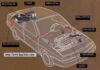
Most cars today have features such as:
- Sensors: These are your eyes and ears. These include door switches, seat pressure cushions, cab motion sensors and glass break sensors. If one of them fails, an false signal. This is the most common cause of random alarms.
- Siren: Usually installed under the hood or on the dashboard. It can produce different tones. Some owners also modify the sound. If the alarm itself is malfunctioning, it may sound or chirp even when there is no input, although this is rare.
- Radio receiver: Receives commands from the remote control. If the receiver picks up stray radio frequencies or short circuits, the alarm can be activated. However, this is usually just a way to lock and unlock your car remotely.
- Additional battery: Also called a spare battery. It ensures that the alarm will work even if a thief removes your car’s main battery. If this tiny battery dies or leaks, it can cause voltage spikes. This spike looks like an intrusion to the computer.
- Control unit: Brain. A computer module that monitors all inputs. If the software malfunctions or the module gets wet, the data can be misinterpreted. It determines when the siren sounds.
Usually the fault is in the sensor or the power supply. If the car alarm keeps going off, it’s probably not a fault with the alarm. This is usually a sensor that detects when someone kicks down your door when the wind is blowing outside.
How sensors cause false alarms
The sensor must detect movement, force or changes in the environment. But they get worse. They get dirty. They get wet.
The door switch is the simplest. There is a small plunger inside the door frame. If the plunger gets stuck or corroded, the system assumes the door is open. Or closed. Or both.
Modern vehicle security is based on specialized microcontrollers, not magic. Think of this as the brain of the system. Its sole purpose is to monitor the circuits and toggle switches that trigger the horn, headlights, or aftermarket siren. It reacts when certain detection circuits are turned on or off.
The difference between the systems is in two things: which sensors are installed and how the sensors are connected to the central unit.
Many hobbyists fail at power management. Alarm modules are typically powered by the main battery, but have a hidden backup power source. This additional battery is activated if an intruder grabs the main connectors and cuts off the power supply.
Turning off the power is a triggering event in itself. The system interprets a sudden drop in voltage as an intrusion attempt. The brain immediately sounds the alarm.
Door sensor and switch
An essential part of the car’s alarm system is the door sensor. When you open the hood, trunk or door of a fully protected vehicle, the brain activates the siren. Modern cars use different techniques to detect this.
Many alarms use existing door opening/closing mechanisms. In most vehicles, opening a door or trunk completes a circuit that turns on the interior light. The alarm system monitors the same circuit. An alarm sounds if the power status changes unexpectedly while the system is operating.
Think of the door sensor as a small piston in the refrigerator. Close the door, the switch compresses, open the circuit and turn off the light. Open it, the spring pops out of the button, closing the circuit and filling the interior with light.
Car alarms use the same basic principle. Just add a wire to this pre-routed loop. When you pull by pulling the door handle. This of course sends power to the interior lights, but it also sends power to the alarm’s brain. This current tells the system that someone is in the car. The alarm sounds.
The modern system is paranoid. They monitor the network voltage. When the voltage drops, the brain assumes interference.
Opening the door and turning on the light can causes a drop. Tampering with the wires under the hood can causes a drop. Disconnecting a trailer with electrical connections can causes a drop.
However, the same applies when the battery is low.
If the alarm is screaming at nothing, check the battery first. Dead cells look like broken wires in the system.
Shock Sensors
The concept is simple. When someone hits, shakes or pushes the vehicle, the sensors detect the movement and report its intensity to the brain. The brain then decides: will it beep once or will it scream?
Early sensors were stupid. Use two metal contacts. One is flexible and the other is fixed. Shock brought them together. The circuit is closed. The alarm has been activated.
The problem? All bumps look the same. A rock hitting a fender will cause the same reaction as a crowbar hitting a window. False alarms abound.
Advanced sensors are a game changer. They no longer rely on simple switches. Instead, they measure force.
These devices have three main parts:
- central electrical contact in a cylindrical housing
- Several small electrical contacts on the bottom
- A loose metal ball free to roll inside
At rest, the ball touches the middle contact and one of the smaller contacts. The circuit is closed. Electricity flows to the brain. Each little contact has its own independent circuit and is wired like this.
Hit the car. The ball is rolling.
It rolls off the little contacts and breaking that specific connection. The brain records movement. As it continues rolling, it hits the next contact, closing the circuit and then opening it again. It bounces from one contact to another until there is friction stops it.
A hard hit, the more it rolls. It passes more contacts. The brain receives a series of rapid bursts of electrical current.
Count the bursts. Measure the duration. Determine the severity.
Minor shifts? The ball can only move one spot. the brain ignores it. Nothing happened.
A bump? The ball rolls a little more. The brain triggers a warning. Horn tap. Headlights are flashing. A “get away” signal.
Full impact? The ball rolls very far. Siren sounds.
Window sensor
Hurry up thieves, don’t bother disabling locks. They break the glass.
If you have a well equipped alarm system, it knows when the window is broken.
Standard glass break detectors are not magic. This is just a microphone connected to the main computer in your system. Microphones work by detecting changes in air pressure and converting these physical changes into varying electrical current.
When the glass breaks, it creates a special acoustic signature. Unique pressure wave pattern. The microphone captures this signal, converts it into an electrical signal at this exact frequency and sends it to the brain.
The signal passes through the crossover before triggering the alarm. This is an electronic filter. Only allows the flow of current in a certain frequency range. The crossover is precisely tuned to the sound of breaking glass.
What about the other noises? Ignored. Only certain frequencies close the circuit and sound the siren.
Pressure sensor
Detecting glass breakage is not the only way to detect breakage. It is also effective for measuring internal air pressure. This method can also detect if someone opens the door.
Even if the pressure inside is the same as outside, moving a door or window displaces air. A short noticeable spike or drop in pressure occurs.
With standard speaker elements, you can detect these variations. The speaker has two main components.
- Moving cone
- an electromagnet connected to a cone
When you play music, electricity flows through the electromagnet. Move back and forth and push the cone. The cones move the air and produce the sound pressure wave we hear.
Reverse this process to get a pressure sensor. Changes in external pressure press on the cone. Cone moving magnet. This creates an electric current.
When the brain detects a strong electric current from the device, it recognizes that the air pressure is changing rapidly. The door opened. The window was broken. Or there is a loud noise nearby.
Some systems reuse your car’s factory stereo speakers to get the job done. Some companies install special, inexpensive pressure sensors.
Perimeter Scanner
Alarms don’t just monitor your insides. They also monitor the perimeter. A device called an perimeter scanner monitors the space surrounding the vehicle.
The most common type is a radar system. It consists of a transmitter and a receiver.
The transmitter emits radio waves. The receiver is waiting for the reflection. Objects reflect these waves back. The radar determines the distance and proximity of nearby objects by analyzing the returned signals.
The system notices when an object gets too close.
Tilt sensor
Tow trucks are a real threat. Some alarms use tilt detectors to counter them.
The key component is the mercury switch. It is a sealed cylinder containing two wires and a small ball of liquid mercury.
Mercury is a liquid metal. It flows like water, but conducts electricity like a solid copper wire.
In a typical switch, a wire (wire A) runs across the bottom of the cylinder. The other wire (wire B) protrudes from the side. The mercury is always in contact with wire A. It touches wire B only when the cylinder is tilted.
When the cylinder is tilted, the mercury rolls over to touch Wire B. The circuit is closed. If you tilt it the other way, the mercury will roll away. The circuit is open.
In some models, only the tip of the wire B is exposed. Mercury must bridge that gap to complete the circuit. In such cases, tilting in either direction will break the connection.
Car alarms use a array of these switches. They are installed at different angles. When your car is parked flat, some switches are closed. Some are open.
When you lift the car, the angle changes. Closed switches open. Turn off the switch. The brain detects this change in the array and knows that the vehicle is being lifted.
If several sensors are activated
The detection areas of the sensors often overlap. When someone tows the car, the tilt sensor detects the angle change. The shock sensor detects vibration. The radar sensor sees the truck pulling away.
All three report a problem.
However, different trigger combinations mean different events. “Smart” alarm systems use logic to interpret these inputs. They don’t just scream when a sensor trips. Analyze which sensors are activated and how.
This prevents false alarms caused by small vibrations and ensuring genuine break-ins are caught early.
Car Alarm Alerts
No matter how sophisticated the detection system is, it is meaningless unless it has a real deterrent effect. The purpose is not only to detect intrusions. it is to trigger a response that makes stealing your car a nightmare for thieves. If the alarm is not loud enough to get people’s attention, you will suffer silent failures.
Most modern vehicles already have this hardware built-in. When a sensor detects an intrusion, the standard protocol is simple: the horn sounds and the headlights flash. It is the visual and aural equivalent of shouting “I’m here”. But effective car warning signals are more than just flashing lights. They interfere with the vehicle’s operation.
In advanced systems, it is often connected to the ignition circuit to disable the starter. Some completely cut off the fuel supply to the engine. Others might disable the immobilizer chip communication. The thing is, someone tries to hotwire it or tries to break into it, your car won’t be able to drive.
Then comes the noise. A simple beep will not deter a determined thief with a crowbar. A separate alarm is required. High-decibel sirens emit a high-pitched sound designed to wake up neighbors and alert security patrols. The sheer volume is the primary defense. Most opportunistic thieves hear the screams and flee before they even finish picking the lock.
How car alarm transmitters increase safety
The transmitter is the link between the driver and the alarm system. It’s more than just a key fob; This is a two-way communication device in many high-end setups. When you lock the car, the transmitter does more than just send a code. it listens for confirmation. A successful arm is often signaled by a short beep or a light flash.
This feedback loop is important. This confirms that the alarm is indeed active. Without confirmation, it could be thought that you have activated the system when you have not, leaving your car vulnerable. Modern transmitters also have remote start features that allow you to warm up or cool the cabin remotely. But beyond comfort, it also doubles as a panic button.
Regardless of whether the system is armed or not, pressing the panic button on the transmitter will immediately sound the alarm. This is useful if you are in a dangerous parking lot and need attention now. Transmitter ranges vary, but line-of-sight signals are typically 100 to 300 feet. Interference from other electronic devices can reduce this range. So knowing your transmitter’s limitations is part of staying safe.
Some transmitters also have a “silent alarm” mode. In this setting, the horn and lights remain off, but the siren and immobilizer activate. Ideal for residential areas with strict noise regulations or when you want to draw the thief’s attention without disturbing your neighbours. It turns the alarm into a trap instead of a warning.
A car key is no longer just a piece of metal. Portable wireless transmitter. The technology inside works like a remote control toy. It sends special messages through pulse modulation of radio waves.
The transmitter’s main function is to control the vehicle’s security system. Out. close the door. Press the button. alarm arm. Come back later. Press again. It disarms. It’s that simple.
Usually, pressing the lock button activates the system. Press the unlock button to disarm. But what if the alarm continues even when you press the unlock button? Check the door locks. Do they react? If not, your key’s battery may be dead.
Most systems provide feedback. Flash the lights. Press the horn lightly. This confirms that the alarm is active. This way, everyone nearby knows that the system is running.
Security depends on complexity. The pulse modulation pattern is like a unique key. There are millions of possible codes for a given device family. This ensures that the alert language is unique. Strangers can’t steal your car with random transmitters.
About alarm triggers
What triggered the alarm? Sensors detect movements or collisions. Vibrations count. Bumps count. Movement counts. This system reacts to physical disturbances near the vehicle.
Does breaking a window sound an alarm? Usually not. Windows often does not have a direct connection to alarm sensors. A big shock can cause it. Shattering glass alone usually won’t. An extra kick is needed.
Why does the siren sound while driving? This indicates that there is a problem with the remote control. The alarm may sound without being manually set. Possible causes are a dead key fob battery. False signals also played a role. Another remote control nearby may cause interference.
DIY Installation and Costs
Can I install the alarm myself? It varies by product. Some systems are simple. Installation requires basic tools and patience. Others are complicated. Special wiring skills may be required.
How much do car alarms cost? Prices vary widely. Basic units start around $30. More powerful systems can cost up to $300. The features and reliability you get for your money are worth it.
This technology is everywhere. It’s everywhere. But it is not infallible. The battery is empty. The signal is blocked. The sensor has failed. The next time your car beeps, check the key fob first.