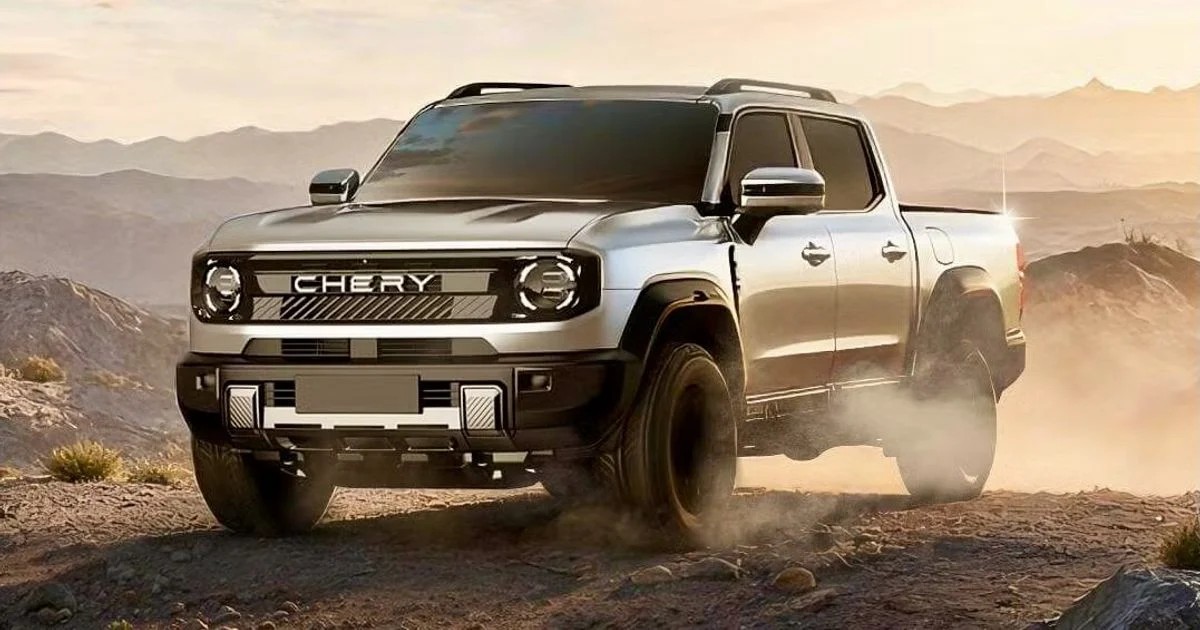
Chery Australia has opened the final round of voting for the name of its highly anticipated first dual-cab ute, currently known by the codename KP31. The shortlist of nine names—ranging from Australian flora to rugged archetypes—is now live on the company’s website, with voting closing on May 19.
The winner of the naming competition will receive the first production model when it arrives in Australia later this year. This campaign follows an initial two-week period in March that generated over 20,000 entries, highlighting significant consumer interest in Chery’s entry into the competitive Australian utility vehicle market.
A Strategic Dig at Rivals?
While many entries leaned into humor or local culture, the shortlist reveals a more strategic approach to branding. The most prominent contender is Orca, a name Chery explicitly links to “strength, intelligence and dominance in the natural world.”
The choice is not accidental. In its promotional materials, Chery notes that the Orca is “mightier even than the shark.” This is a clear, if subtle, jab at the BYD Shark 6, the plug-in hybrid ute that has become a benchmark in the segment. By positioning their vehicle as the apex predator of the ocean, Chery is attempting to establish brand dominance before the vehicle even hits showrooms.
Other notable shortlisted names include:
* Longreach : A nod to the Queensland town, evoking heritage similar to Ford’s Falcon Ute trim levels.
* Terra : Latin for “Earth,” though already used in various forms by Chery in other markets.
* Outrider, Ironbark, Bushwalker, Stockman, Ridgeback, and Mate.
Beyond the Shortlist: Trademark Filings Hint at Future Plans
Chery’s intellectual property filings with IP Australia suggest a broader naming strategy than the current shortlist implies. In addition to the public contenders, Chery has trademarked names such as Ironback, Mankarra, Warlu, Terravon, Pioneer, Vanguard, Altrex, and Wayfarer.
More intriguingly, filings include Megalodon (an extinct giant shark, furthering the marine predator theme) and Nullarbor (a name previously associated with Holden). The presence of these names indicates that Chery is preparing for multiple variants or future models, ensuring it retains control over strong, market-ready identifiers.
The KP31: Specifications and Market Positioning
The vehicle behind the naming contest is a significant engineering push for Chery. Set to be revealed in February 2026, the KP31 is a body-on-frame dual-cab designed to compete directly with established diesel and hybrid utes.
Key Specifications:
* Powertrain: A segment-first diesel plug-in hybrid (PHEV).
* Electric Range: Up to 170km of pure electric driving.
* Engine: Expected to feature a 2.5-litre four-cylinder diesel.
* Capability: 1000kg payload and 3500kg braked towing capacity.
* Off-Road Features: Locking front, centre, and rear differentials; leaf-sprung rear suspension for superior load handling; snorkel; and bash plates.
Chery plans to follow the diesel PHEV with a petrol PHEV variant in 2027. This petrol version will feature coil-spring rear suspension, offering a more car-like ride quality but potentially compromising on heavy payload capabilities compared to the diesel leaf-spring model.
Design and Interior
Visuals from rolling prototypes show a rugged exterior with integrated rear steps, six-stud wheels, and a bold, chunky design language. However, the interior aims to elevate the segment standard with luxury features, including:
* Heated and ventilated front seats.
* Ambient lighting.
* A panoramic sunroof.
This combination of rugged utility and premium comfort mirrors trends seen in competitors like the Ford Ranger and BYD Shark 6, signaling Chery’s intent to compete on both capability and refinement.
Broader Strategic Context
The KP31 is part of a larger expansion by Chery into the Australian utility market. Originally shown under the Rely brand at the Chengdu motor show in late 2025, the KP31 sits alongside a smaller electric ute (KP2X) and a larger KP4X model targeting full-size US pickups like the Ford F-150 and Toyota Tundra.
Additionally, Chery’s Jetour brand is developing its own Australia-bound ute, the F700, expected to arrive by late 2027. This multi-brand approach suggests Chery is not just entering the market with a single product, but building a comprehensive lineup to challenge incumbents across various segments.
Conclusion: Chery’s naming competition is more than a marketing exercise; it is a statement of intent. By leveraging names like “Orca” and “Megalodon,” Chery is positioning its new diesel PHEV ute as a dominant force capable of challenging the BYD Shark 6 and traditional diesel leaders. With strong specifications and a focus on both rugged capability and luxury, the KP31 represents a serious contender in Australia’s evolving ute landscape.