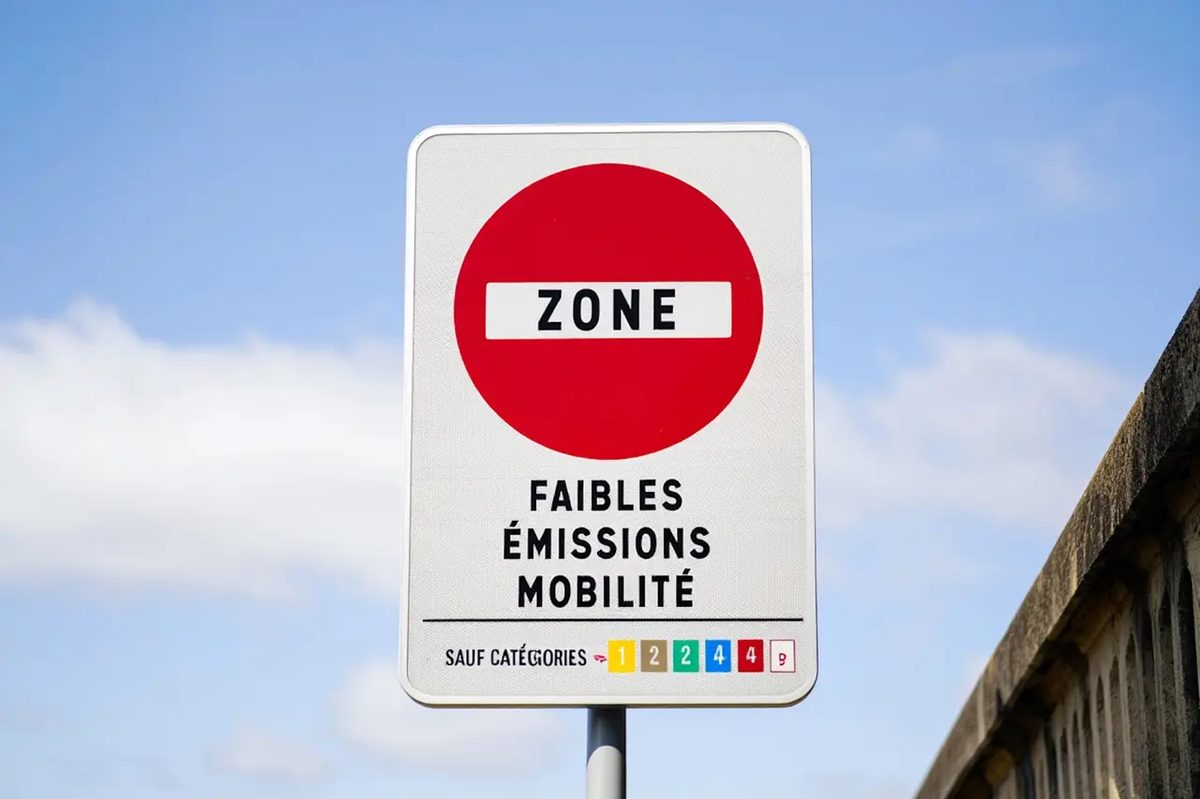
The debate about air quality in cities has intensified even more. On June 17, the French National Assembly voted to abolish the ZFE (Zones à Faibles Émissions) low-emission zones. The measure was intended to increase the purchasing power of drivers of older cars, but it sparked a bitter battle between those who prioritized financial assistance and those concerned about public health.
This vote was not a simple victory. The score was 275-252. The story is not over yet.
The legal road is still muddy. Before these areas actually disappear from the streets, the Senate and Assembly must agree on a single document through a joint committee. Even if they do, the Constitutional Council can overturn it. The problem? The bill is buried in a wider administrative simplification package, which complicates its legal status.
A government at odds with itself
政府在这一问题上并没有完全一致。 一些官员不是一刀切,而是推动调整而不是彻底废除。 这种中间立场做法在执政的多数派内部引起了摩擦。
我们已经看到了这种犹豫的迹象。 在巴黎和里昂等城市,交通污染监测仪已达到临界水平,有传言称要放宽规则,而不是全面关闭。 目标似乎是找到一个不会完全疏远争论双方的妥协方案。
Who loses when ZFE disappears?
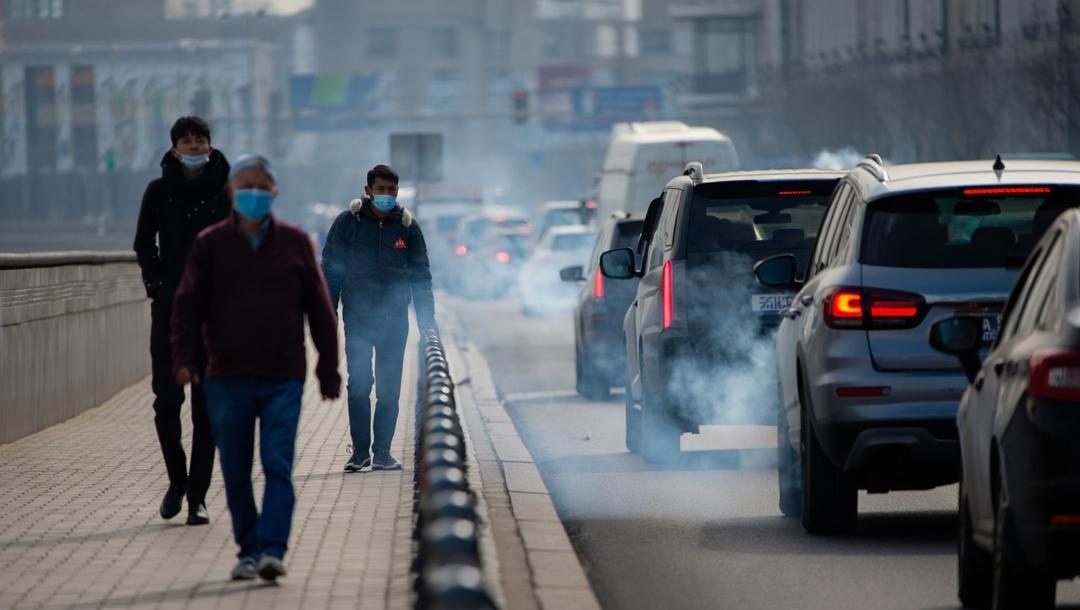
Critics argue that removing these zones is a setback for public health. Their main concern is simple. Without restrictions, old and polluting vehicles would flood city centers. This disproportionately affects disadvantaged people who live in high traffic areas.
In big cities like Paris, environmentalists believe that the decision sacrifices health for freedom of movement. They use concrete data to support their claims. For example, in Lyon, the introduction of stricter emission standards has led to a significant reduction of harmful pollutants. Certain meters show a 24-44 percent reduction in nitrogen oxides and particulates.
For drivers of older cars, removing these barriers can feel like a win. But it also means opening the door to the air quality problems these areas are trying to address.
Social costs of low-emission areas
Be honest and face reality. The ZFE (Low Emission Zone) framework has received strong criticism for ignoring the economic reality of low-income households. These households just can’t afford to trade in their old, compliant cars for newer, cleaner models. This policy often feels like it was created by people who don’t check their bank accounts.
The situation will get even worse in 2025. The government has abolished conversion bonuses completely and cut ecological bonus. Financial incentives that were supposed to soften the blow for average drivers suddenly disappeared. In addition to the stricter regulations, the number of vehicles prohibited in the city center also increases every year, which inevitably causes public dissatisfaction.
A 3 billion euro gamble
The city of Paris is currently considering the cost of going back. Completely removing these areas is not free. In fact, it could cost France up to 3 billion euros. Why? Neglecting climate change commitments can lead to EU sanctions. The government is discussing financial support to help those left behind, but no exact date has been set. No date. There are no concrete plans. Just vague promises of assistance.
Therefore, the contradiction remains. Keeping the ZFE increases the risk of social unrest and political backlash. If it rejects it, it faces huge fines from Brussels for not meeting environmental targets. The June vote is a milestone, not a final decision. What happens next depends on the MPs, the possible challenges of the Constitutional Council and how the government positions itself.
The future of ZFEs isn’t just about air quality. It is a mirror that reflects the chaotic and contradictory problems of ecological change.
The conversation is not over yet. It lies at the intersection of public health, social equity and political survival. How do you force change when the people who are forced to change are the least able to adapt? The answer is unclear. Until the legal and political issues are resolved, motorists will have to wait, unsure if their old cars will be taken back into the city next month or if they will pay the price for Europe’s climate targets.