


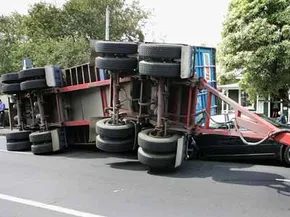
Most drivers barely think about physics. You turn the wheel, the car turns. You lift off the gas, the car slows. It works. Until you add three thousand pounds of dead weight to the back of your tow vehicle.
Suddenly, everything is harder. Heavier. Slower.
The real panic starts when you need to stop. Braking while towing is tricky because of inertia. Newton’s first law doesn’t care about your schedule. An object in motion stays in motion. Your tow vehicle has brakes. The trailer? Maybe. If it doesn’t, you’re fighting a losing battle against momentum. The truck slows down. The trailer keeps going. The result is a dangerous swing or a pile-up. Unstrapped cargo? It’s gone. Flying right out the back.
Never assume you know how your rig handles. Even if you’ve towed before, a new load changes the game. Grab a quiet back road. No traffic. Just you and the hitch. Test the brakes. See how long it takes to stop at 30 mph. Then try it at 45. Feel the difference. Note how the trailer pushes back.
Ask someone who’s done this before. They’ll have stories. Scary ones. Tales of emergency stops that nearly flipped their camper. Those stories stick. They keep you cautious.
Inertia is the enemy. But there are ways to fight back. We’ll look at the brake systems that actually help you stop on the next page.
Types of trailer brakes explained
Not all trailers come with brakes. Some do. The type matters.
Electric brakes are common. They use a controller in the tow vehicle to send power to the trailer’s brake magnets. Simple. Effective. If you hit the brake pedal in the truck, the trailer brakes engage almost simultaneously.
Hydraulic surge brakes are different. No wires. They use the momentum of the trailer pushing the coupler forward to activate a master cylinder. It’s mechanical. Reliable. But it needs maintenance.
Knowing which system you have changes how you drive. Electric brakes need a controller setup. Surge brakes need the coupler lube and check valves working.
Don’t guess. Check your manual. Or look at the trailer.
“The best braking strategy is prevention.”
Slow down early. Leave more space. Towing isn’t about speed. It’s about control.
Next up, we’ll dive into how to install and test these systems so you’re not left swinging in traffic.
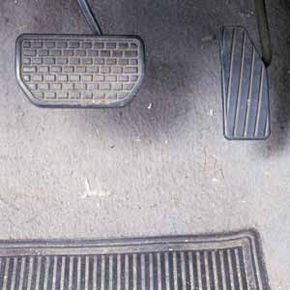

Why trailer brakes matter for heavy payloads
Trailers aren’t just dead weight. They have their own stopping power. Especially when the load gets heavy, brakes become a legal requirement, not just a nice-to-have. If safety is the goal, you want them. The more braking surface you have, the better.
There are two main ways to stop a trailer. You need to know which one you’re towing.
Electric brakes work like the ones in your tow vehicle. Disc or drum, it doesn’t matter. The mechanism is mechanical. The activation is electrical. Wiring runs from your truck, through a controller, to the trailer. You’re sending a signal. The driver decides when that signal fires. You can set it up to be manual. If the trailer starts swaying, you hit a switch. You stop the sway. Or you let it run automatically.
Automatic systems usually operate in two modes. One reacts to your brake pedal with a slight delay. The stopping power is pre-set based on the trailer’s weight. This setup is cheaper. It’s also easier to live with for casual towing.
The other mode mimics your tow vehicle’s brakes in real-time. When you squeeze the pedal, the trailer squeezes its pads. No delay. This creates a smoother stop. It’s critical for emergency braking. When seconds count, synchronization saves lives.
Hydraulic surge brakes are different. No electricity. No controller. It’s pure physics. Inertia does the work. When you slow down, the trailer wants to keep going. It pushes against the hitch. That pressure compresses a braking actuator. The harder you brake, the harder the trailer pushes. The more stopping power it generates. It’s automatic. It’s independent of your vehicle’s electrical system. But it only works when you’re slowing down.
How to brake safely when towing
Knowing the hardware is half the battle. Using it right is the other half. Bad habits destroy tires. They cause sway. They can flip a trailer.
Braking isn’t just about stopping. It’s about control. You’re managing two vehicles, not one. The physics change when you add mass behind the bumper.
Don’t brake late. That’s the biggest mistake. You need more distance. If you usually brake at 50 feet, try 100. Give yourself room to modulate pressure. Panic braking causes lockups. Lockups cause jackknifes.
Use lower gears. Engine braking helps. It reduces wear on your brake pads. It keeps temperatures down. Heat kills braking ability. Let the engine do some of the work. It’s smoother. It’s safer.
Check your brakes before every trip. Electric brakes need a controller check. Surge brakes need a hydraulic fluid check. If the system fails, you’re just dragging dead weight. And dead weight doesn’t stop.
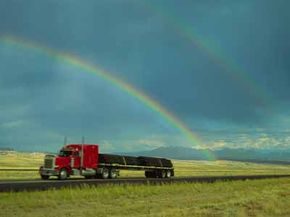

how to brake safely with a trailer on the highway
Practice on quiet streets is fine. It builds muscle memory. But the real test starts when you merge onto the interstate. Suddenly, there are people around you. People who don’t care that you’re hauling a trailer. They don’t know you need twice as much distance to stop.
Loading matters here. More than you think. If your hitch weight is too high or your cargo center of gravity is floating, slamming the brakes sends the trailer tongue diving. It pulls your tow vehicle’s rear axle down with it. That’s a jackknife waiting to happen. Secure the load. Check the weight distribution. Refer to loading guides if you’re unsure. The physics won’t wait for you to figure it out.
Speed kills. Distance saves.
Stop driving like you’re in a solo sedan. You’re not. A trailer doubles your stopping distance. Sometimes more, depending on the mass behind you. And speed creates sway. That side-to-side rocking motion is the enemy. If it starts, don’t panic. Don’t stomp the gas. Don’t slam the tow vehicle’s brakes. That transfers energy forward and can flip the trailer. Instead, take your foot off the accelerator. Gently apply the trailer brakes using your controller. Let the trailer slow down independently. It stabilizes the rig. Keep your speed low. Leave ample space. Ride the bumper? Bad idea.
Anticipation is the new braking.
Look ahead. Way ahead. Someone pulling out of a lot? See them early. Traffic merging? Spot it. A jam forming? Brake before the car in front of you does. This isn’t just about safety. It’s about preserving your hardware.
Use engine braking. Also known as compression braking. Drop a gear. Let the engine’s resistance slow the vehicle down. This takes heat off the brake pads. Heat is what kills brakes, especially under the added load of a trailer. Going down a long grade? Stay in a lower gear. Your brakes will thank you. They’ll last longer. You’ll avoid fade.
There is a tradeoff. Engine braking increases wear on other drivetrain components. It might cost a few extra cents in fuel. But compared to replacing warped rotors or burnt pads? Cheap insurance.
One small habit ruins brake life. Resting your foot on the pedal. Even light pressure engages the brakes slightly. It generates heat. It wears pads. It glances off the rotors. Lift your foot off completely when you aren’t slowing down. Keep the pedal clear.
Safe towing isn’t magic. It’s physics and patience. Load it right. Drive slow. Look far ahead. Use the engine. Treat the brakes like the limited resource they are. They’ll make or break your trip.


