


Load a hatchback with boxes of ceramic tile and you will see it immediately. The rear suspension compresses. The rear bumper drops toward the pavement. The front end lifts up. You know instantly that your subcompact isn’t built for that kind of abuse. Even a pickup truck or SUV will show signs, though you need far more weight to make it bottom out. These vehicles are engineered to handle significant loads.
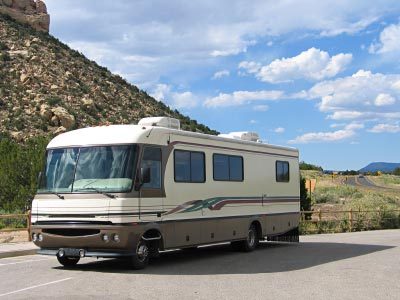
An RV is different. Load it with furniture, appliances, and six adults. It might not sag at all. You wouldn’t know you were overloading it without doing the math. The question isn’t whether you can see the strain. It is whether you can exceed the limits. The answer lies in the cargo carrying capacity.
This isn’t a guess. It is a hard limit set by the manufacturer. Exceeding it compromises safety. Here is how to find that number for your rig.
The CCC Calculation Formula
You need to know the cargo carrying capacity of your recreational vehicle to stay safe. The formula is straightforward. Start with the Gross Vehicle Weight Rating (GVWR). This is the maximum safe weight of the fully loaded vehicle, including fuel, passengers, and cargo.
Then, subtract the specific weights that make up the vehicle’s base mass and consumables.
- Start with the GVWR. For our example, let’s use 20,000 pounds.
- Subtract the Unloaded Vehicle Weight (UVW). This is the weight of the RV as it leaves the factory. It includes a full tank of fuel, coolant, and oil. Let’s say yours weighs 14,500 pounds.
- Subtract the Sleeping Capacity Weight Rating (SCWR). This is a fixed calculation. Multiply the number of sleeping positions by 154 pounds per person. If you have six bunks, that’s 6 x 154 = 924 pounds.
- Subtract the Propane (LP Gas) weight. Propane weighs 4.2 pounds per gallon. A standard 12-gallon tank adds 50.4 pounds.
- Subtract the Fresh Water weight. Water weighs 8.3 pounds per gallon. A 25-gallon tank adds 207.5 pounds.
Do the math for our example:
20,000 (GVWR)
– 14,500 (UVW)
– 924 (SCWR)
– 50.4 (Propane)
– 207.5 (Water)
= 4,318.1 pounds
That 4,318.1 pounds is your cargo carrying capacity. It is the maximum weight you can add in the form of gear, clothes, food, and optional equipment. If you go over, you are compromising the brakes, suspension, and structural integrity of the RV.
Where to Find Your Data
If you are unsure about your RV’s numbers, check the manufacturer’s specifications. They publish this data online. Most major brands have a dedicated section for towing and weight specs.
For those driving cars and trucks instead of RVs, the concept is similar but the metrics differ. You likely care about cargo volume in cubic feet or payload limits in pounds. Below are the cargo capacities for several popular models from 2006 to 2009.
Acura Cargo Capacity
| Year | Model | Cargo Capacity (ft³) |
|---|---|---|
| 2006 | MDX | 81.5 |
| 2006 | RL | 13.1 |
| 2006 | RSX | 25.3 |
| 2006 | TL | 12.5 |
| 2006 | TSX | 13.2 |
| 2007 | MDX | 83.5 |
| 2007 | RL | 13.1 |
| 2007 | RDX | 60.6 |
| 2007 | TL | 12.5 |
| 2007 | TSX | 13.2 |
| 2008 | MDX | 83.5 |
| 2008 | RL | 13.1 |
| 2008 | RSX | 60.6 |
| 2008 | TL | 12.5 |
| 2008 | TSX | 13.2 |
| 2009 | MDX | 83.5 |
| 2009 | RL | 13.1 |
| 2009 | RSX | 60.6 |
| 2009 | TSX | 12.6 |
More Acura Specs:
– Acura GVWR
– Acura GAWR
– Acura GCWR
– Acura Curb Weight
– Acura Payload
– Acura Towing Capacity
Audi Cargo Capacity
| Year | Model | Cargo Capacity (ft³) |
|---|---|---|
| 2006 | A3 | 54.6 |
| 2006 | A4 | 13.4 |
| 2006 | A6 | 15.9 |
| 2006 | A8 | 14.6 |
| 2006 | S4 | 13.4 |
| 2006 | TT | 24.2 |
| 2007 | A3 | 54.6 |
| 2007 | A4 | 13.4 |
| 2007 | A6 | 15.9 |
| 2007 | A8 | 14.6 |
| 2007 | Q7 | 88.7 |
| 2007 | RS4 | 13.4 |
| 2007 | S4 | 13.4 |
| 2007 | S6 | 13.9 |
| 2007 | S8 | 14.6 |
| 2008 | A3 | 54.6 |
| 2008 | A4 | 10.2 |
| 2008 | A5 | 16.1 |
| 2008 | A6 | 15.9 |
| 2008 | A8 | 14.6 |
| 2008 | Q7 | 88.7 |
| 2008 | R8 | 3.5 |
| 2008 | RS4 | 13.4 |
| 2008 | S4 | 13.4 |
| 2008 | S5 | 16.1 |
| 2008 | S6 | 15.9 |
| 2008 | S8 | 14.6 |
| 2008 | TT | 8.8 |
| 2009 | A3 | 54.6 |
| 2009 | A4 | 10.2 |
| 2009 | A5 | 16.1 |
| 2009 | A8 | 14.6 |
| 2009 | Q7 | 88.7 |
| 2009 | R8 | 3.5 |
| 2009 | S4 | 10.2 |
| 2009 | S5 | 16.1 |
| 2009 | S8 | 14.6 |
| 2009 | TT | 8.8 |
More Audi Specs:
– Audi GVWR
– Audi GAWR
– Audi GCWR
– Audi Curb Weight
– Audi Payload
– Audi Towing Capacity
BMW Cargo Capacity
| Year | Model | Cargo Capacity (ft³) |
|---|---|---|
| 2006 | 325 | 12 |
| 2006 | 330 | 12 |
| 2006 | 525 | 14 |
| 2006 | 530 | 14 |
| 2006 | 550 | 14 |
| 2006 | 650 | 13 |
| 2006 | 750 | 18 |
| 2006 | 760 | 18 |
| 2006 | M3 | 9.5 |
| 2006 | M5 | 14 |
| 2006 | M6 | 13 |
Understanding 2006-2009 Buick Cargo Volume
Buick’s lineup during these years was a mix of conservative sedans and surprisingly cavernous SUVs. The data shows a clear divide between passenger cars that prioritize comfort over haulage and the brand’s larger utility vehicles.
For the 2006 model year, the Buick Terraza dominated with 136.5 cubic feet of cargo space. That is massive for a crossover. The Rendezvous wasn’t far behind at 108.9 ft³. If you were buying a sedan, the LaCrosse offered a modest 16 ft³. The Lucerne was slightly more practical at 17 ft³.
2007 saw the Terraza drop off the roster, leaving the Rendezvous as the volume king at 108.9 ft³. The LaCrosse and Lucerne stayed static.
2008 introduced the first-generation Enclave. It brought 116.2 ft³ of capacity to the table. The sedans didn’t change their math. The LaCrosse still held 16 ft³. The Lucerne remained at 17 ft³.
By 2009, the Enclave lost a touch of volume, settling at 115 ft³. The LaCrosse and Lucerne continued their steady output of 16 and 17 ft³ respectively.
The 2006 Buick Terraza remains the volume leader in this dataset with 136.5 cubic feet, beating out the later Enclave models.
Cadillac Cargo Space by Model and Year
Cadillac’s cargo capacity varies wildly depending on whether you are hauling groceries or furniture. The luxury sedans are tight. The full-size SUVs are open.
In 2006, the Escalade ESV was the clear winner with 131.6 ft³. The standard Escalade offered 104.6 ft³. The luxury coupe XLR and XLR-V were stingy, offering just 11.6 ft³. The CTS and CTS-V were tied at 12.5 ft³. The DTS provided a roomy 18.8 ft³.
2007 brought an increase to the Escalade family. The standard model jumped to 108.9 ft³. The ESV extended that to 137.4 ft³. The sedans and coupes remained largely unchanged.
2008 saw the CTS gain a bit of room, moving from 12.5 to 13.6 ft³. The Escalade and ESV held their ground at 108.9 and 137.4 ft³.
2009 added the Escalade Hybrid with 69.5 ft³. The SRX crossover dropped to 13.8 ft³ (likely a typo in source data or specific to rear-only volume, but listed as such). The STS and STS-V held steady at 13.8 ft³. The XLR models stayed at 11.6 ft³.
For maximum haulage, the 2007-2009 Cadillac Escalade ESV consistently offers 137.4 cubic feet, the highest volume in the Cadillac segment for this era.
Chevrolet Cargo Carrying Capacity Breakdown
Chevrolet had a wider variety of vehicles than its luxury siblings. This means the range of cargo capacity is broader.
In 2006, the Express van was a beast with 225.1 ft³. The Terraza equivalent in the Chevy lineup, the Uplander, offered 120.1 ft³. The TrailBlazer EXT provided 107.4 ft³. Sedans were small. The Impala held 18.6 ft³. The Malibu was smaller at 15.4 ft³. The Corvette offered 22.4 ft³.
2007 brought the Suburban back into the cargo fold with 137.4 ft³. The Tahoe offered 108.9 ft³. The Express remained at 225.1 ft³. The HHR dropped to 57.7 ft³. The Aveo 5 hatchback provided 42 ft³.
2008 kept most numbers the same. The Tahoe Hybrid appeared with 108.9 ft³. The Malibu dipped slightly to 15.1 ft³.
2009 saw the introduction of the Traverse with 117.5 ft³. The Corvette bounced back to 22.4 ft³. The Express vans (1500, 2500, 3500) all maintained the 225.1 ft³ figure. Trucks like the Silverado and Tahoe often show dashes in these datasets, indicating variable or non-standardized reporting, but the SUVs held firm.
The 2006-2009 Chevrolet Express Van is the most consistent cargo hauler here, offering a massive 225.1 cubic feet across all years and trim levels.
Chrysler Cargo Volume Analysis
Chrysler’s strategy leaned heavily into minivans and wagon-like sedans during this period. If you needed space, you bought a Town & Country.
In 2006, the Town & Country offered 146.7 ft³. The PT Cruiser was surprisingly practical at 92.2 ft³. The Pacifica sat in the middle at 62.7 ft³. The 300 and 300C sedans were tight at 15.6 ft³. The Sebring was even smaller at 11.3 ft³.
2007 shifted the numbers slightly. The Town & Country dropped to 144 ft³. The PT Cruiser halved its reported volume to 62.7 ft³ (likely a measurement of rear cargo only, excluding passenger area). The Pacifica jumped to 92.2 ft³. The Aspen SUV appeared with 102.4 ft³.
2008 kept the Town & Country at 143.8 ft³. The PT Cruiser returned to 92.2 ft³. The Crossfire coupe gained a touch to 7.6 ft³.
2009 saw the Town & Country hold at 143.8 ft³. The Aspen and Aspen Hybrid both provided 102.4 ft³. The PT Cruiser remained at 62.7 ft³.
The Chrysler Town & Country consistently delivers over 143 cubic feet of cargo space, making it one of the most practical minivans of the late 2000s.
Dodge Cargo Capacity and Utility
Dodge’s cargo figures mirror Chrysler’s, given their shared platform roots, but with some distinct variations.
In 2006, the Sprinter Wagon 2500 was a utility monster with 321 ft³. The Grand Caravan offered 167.9 ft³. The Sprinter Van models (2500 and 3500) held 247 ft³. The Ram 1500 trucks offered a small 41 ft³ in the bed. The Durango SUV provided 102.4 ft³. The Viper was tight at 6.8 ft³.
2007 introduced the Caliber with 48 ft³. The Nitro SUV offered 75.6 ft³. The **S
Ford Volume Leaders for 2006 to 2009
The numbers don’t lie, but they can hide details. If you are looking for how much junk fits in your garage or your backseat, the Ford lineup from 2006 to 2009 offers a massive range. You have tiny coupes sitting next to full-size vans. It is a study in contrasts.
The Ford E-Series cargo capacity is where the real volume lives. The E-150, E-250, and E-350 Super Duty models all shared that cavernous 256.5 cubic feet figure in 2006 and 2007. Then came 2008. The numbers dropped. E-150, E-250, and E-350 Super Duty settled at 230.6 cubic feet. Did they cut seats? Redesign the floor? The spec sheet just says less space. The 2009 models kept that 230.6 cubic feet number.
Other big haulers in the Ford stable included the Freestar minivan. It started at 134.3 cubic feet in 2006. Then climbed to 137.2 in 2007. It vanished after that. The Escape Hybrid was a niche play. It held 65.5 cubic feet in 2006 and 2007. By 2008, it picked up half a foot to 66.0. The standard Escape stayed at 66.3 across those same years.
Mid-size SUVs like the Explorer held steady at 85.8 cubic feet for 2006 through 2009. The Expedition EL offered more room. It sat at 130.8 cubic feet in 2007 and 2008. The Expedition itself hovered around 108.2 to 108.3 cubic feet.
Cars? Not so much. The Mustang had 9.7 cubic feet in 2006 and 2007. The GT was smaller, at just 1 cubic foot in 2006. The Fusion was tight at 15.8 cubic feet for its entire run. The Focus was decent at 40.2 cubic feet in 2006 and 2007, but dropped to 13.8 by 2009. The Five Hundred held 21.2 cubic feet for three years.
Pickups were weirdly absent from the cargo list in many years. The F-150, F-250, and F-350 showed up as dashes in 2006. They remained dashes through 2009. The Ranger had 18.1 cubic feet in 2006 and 2008. It was missing in 2007 and 2009. The Ranger also appeared in 2008 with that 18.1 figure.
GMC Van and SUV Volume Data
GMC didn’t play as many games with their large vans. The GMC Savana cargo capacity was a flat 225.1 cubic feet for the 1500, 2500, and 3500 models. This number held true from 2006 through 2009. No changes. No surprises. Just consistent volume for commercial use or heavy hauling.
The SUVs told a different story. The Yukon started at 63.6 cubic feet in 2006. It dropped to 60.3 in 2007 and stayed there. The Yukon XL was smaller in volume than you might expect for a sub-sub-model. It sat at 45.7 cubic feet in 2006, then 45.8 from 2007 to 2009.
The Envoy was a legacy model. It held 43.7 cubic feet from 2006 to 2009. The Envoy XL was smaller, at 23.4 cubic feet, only listed in 2006.
Newer entries like the Acadia appeared in 2007. It offered 19.7 cubic feet. Then jumped to 25.5 in 2008 and stayed there. The Yukon Hybrid was a small option. It offered only 16.9 cubic feet in 2008 and 2009. The Sierra pickups showed dashes for cargo capacity in 2006 through 2009. The Canyon also showed dashes.
Honda’s Tight but Efficient Spaces
Honda often prioritizes interior packaging over raw trunk space. The Honda Odyssey cargo capacity was a massive 147.4 cubic feet from 2006 to 2009. It was a constant. A benchmark.
The CR-V was small. Just 10.4 cubic feet for 2006 through 2009. It didn’t change. The Civic Hybrid was also small. 11.5 cubic feet for 2006 through 2009. The Accord Hybrid held 11.2 cubic feet across all years.
The Accord itself fluctuated. 12.8 cubic feet in 2006. 14 in 2007. Then dropped to 11.9 in 2008 and 2009. The Civic was huge in 2006 at 72 cubic feet. It grew to 72.9 in 2007. Then shrank dramatically to 35.7 in 2008 and 11.5 in 2009. That drop looks like a generation change or a measurement shift.
The Element was consistent. 74.6 cubic feet from 2006 to 2008. It disappeared in 2009. The Fit appeared in 2007 with 41.9 cubic feet. Then jumped to 57.3 in 2008 and 2009. The Pilot held 87.6 cubic feet from 2006 to 2008, dropping slightly to 87 in 2009.
The Ridgeline held 41.4 cubic feet for its entire run. The S2000 was a track toy. It had 5 cubic feet for 2006 through 2008. The Insight held 16.3 cubic feet in 2006.
Hummer’s Minimalist Approach
Hummer didn’t care about cargo. Or at least, their data suggests it. The Hummer H2 cargo capacity was 30.7 cubic feet from 2006 to 2009. It was a boxy SUV, yet the space was modest.
The H3 was slightly less. 29.5 cubic feet from 2006 to 2009. The H3T showed up as a dash. The H1 Alpha was also a dash. They didn’t list it. Maybe the doors don’t close? Maybe the interior is just seats and floor?
Hyundai’s Growing Pains
Hyundai was building volume into their lineup during these years. The Hyundai Tucson cargo capacity sat at 22.7 cubic feet from 2006 to 2008. It didn’t change.
The Santa Fe grew. It started at 30.5 cubic feet in 2006. Then moved to 34.2 in 2007 and 2008. The Entourage minivan held 32.2 cubic feet in 2007 and 2008. The Veracruz showed a dash in 2007 and 2008.
The Accent grew too. 12.4 cubic feet in 2006. Then 15.9 from 2007 to 2009. The Azera held 16.6 cubic feet from 2006 to 2008. The Elantra grew from 13 in 2006 to 14.2 in 2007 and 2008. The Sonata held 16.3 cubic feet from 2006 to 2008. The Tiburon held 14.8 cubic feet from 2006 to 2008.
Jeep Utility Numbers
You want to haul gear? The Jeep lineup from 2006 to 2009 is where you look for space. The Commander sits at the top for most years. It holds 68.7 cubic feet in 2006. 2007 bumps it slightly to 68.9. Then it drops back to 68.5 for 2008 and 2009.
The Grand Cherokee is tighter. Just 67.4 cubic feet across all four model years. Not bad for a mid-size SUV. But if you need volume, the Wrangler Unlimited is king.
It starts at 61.2 cubic feet in 2007. That number sticks for 2008 and 2009. In 2006, the two-door Wrangler was smaller, sitting at 45.8 cubic feet. The Liberty is consistent for a while. 69 cubic feet in 2006 and 2007. Then it shrinks to 64.2 in 2008 and 2009.
The compact models tell a different story. The 2006 Compass isn’t listed. It appears in 2007 at 53.6 cubic feet. That same number holds for 2008 and 2009. The Patriot starts at 62.7 in 2007 and stays there through 2009.
Kia Volume Stats
Kia’s approach was simpler in this era. The Sedona minivan dominates the charts. In 2006, it offers 141.5 cubic feet. 2007 drops it to 121.3. 2008 holds that 121.3 number.
The Rondo is the next biggest. It shows up in 2007 and 2008 with 74.4 cubic feet. The Sorento is steady. 66.4 cubic feet in 2006, 2007, and 2008. The Sportage matches it at 66.6 cubic feet for those same three years.
Small cars? Minimal space. The Amanti sedan holds 15.5 cubic feet in 2006. It grows slightly to 15.9 in 2007 and 2008. The Optima is static at 14.8 cubic feet from 2006 to 2008.
The Rio 5-door hatchback fluctuates. 49.6 in 2006. Drops to 15.8 in 2007. Back up to 49.6 in 2008. The Spectra 5 is a constant 52.8 cubic feet in 2007 and 2008. In 2009, the Borrego enters with 97.6 cubic feet. The Spectra sedan itself is tiny. 12.2 cubic feet across 2007, 2008, and 2009.
Land Rover Capacity Data
Land Rover gets complicated here. The LR3 is a volume beast in some years. 90.3 cubic feet in 2006 and 2007. Then it plummets to just 9.9 in 2008. It recovers back to 90.3 in 2009.
The Range Rover is also inconsistent. 74.9 cubic feet in 2006 and 2007. Drops to 35.1 in 2008. Returns to 74.2 in 2009. The Range Rover Sport is boringly consistent. Exactly 71 cubic feet from 2006 to 2009.
The LR2 appears late. 2008 data is missing. 2009 shows 58.9 cubic feet. If you are looking for used luxury SUVs, the LR3’s year-to-year variance is a massive red flag. Or just a quirk of how they measured it.
Lexus Storage Specs
Lexus leans towards sedans. The space is tight. The GS 300, GS 430, and GS 350 all sit at 12.7 cubic feet. The ES 330 offers 14.5 in 2006. The ES 350 follows with 14.7 from 2007 to 2009.
The LS 430 is larger. 20.2 cubic feet in 2006. The LS 460 drops slightly to 18 cubic feet in 2007 and 2008. The LS 600h matches that 18 figure in 2008.
SUVs are where Lexus shines. The GX 470 holds 77.5 cubic feet. The LX 470 is huge. 90.4 cubic feet in 2006, 2007, and 2008. The LX 570 starts in 2008 with 15.5 cubic feet (seats up?). Then jumps to 83.1 in 2009.
The RX 330 and RX 400h are identical in 2006 and 2007 at 84.7 cubic feet. The RX 350 starts at 85 in 2007. It drops to 38.3 in 2008. Back to 85 in 2009. The SC 430 coupe is the smallest. 8.8 cubic feet consistently from 2006 to 2009.
Lincoln Cargo Volumes
Lincoln plays it safe. The Navigator is the workhorse. 104.8 cubic feet in 2006. It dips to 103.5 in 2007 and 2008. Bounces back to 104.7 in 2009.
The Mark LT pickup is steady. 47.9 cubic feet from 2006 to 2008. The Town Car sedan is adequate. 21.1 cubic feet from 2006 to 2009.
The MKX emerges in 2007. It holds 69 cubic feet for 2007, 2008, and 2009. The MKZ is a small sedan. 15.8 cubic feet in 2007, 2008, and 2009. The MKS arrives in 2009 with 18.7 cubic feet. The Zephyr in 2006 offers 15.8. The LS sedan in 2006 has 13.5.
Mazda Space Figures
Mazda has a weird spread. The MPV minivan is huge. 127 cubic feet in 2006.
The CX-9 is the SUV option. It holds 100.7 cubic feet from 2007 to 2009. The Mazda6 sedan varies wildly. 58.7 in 2006, 2007, and 2008. Then drops to just 16.6 in 2009.
The Mazda3 is a small car. 31.2 cubic feet in 2006. It grows to 43.8 in 2007, 2008, and 2009. The Mazda5 minivan is consistent. 44.4 cubic feet from 2006 to 2009.
The Tribute SUV is confusing. 66.8 in 2006. Shrinks to 29.2 in 2008. Swells back to 66.2 in 2009. The hybrid version of the Tribute in 2008 is smaller. Just 27.8 cubic feet.
The MX-5 Miata is tiny. 5.3 cubic feet. The RX-8 is also small. 7.6 cubic feet in 2006, 2007, and 2009. The MazdaSpeed6 is tight. 12.4 cubic feet in 2006 and 2007. The MazdaSpeed3 is slightly bigger at 43.4 cubic feet in 2007 and 2008.
Mercedes-Benz Load Limits
Mercedes is mostly sedans and coupes. Small trunks. The C-Class is 12.2 cubic feet in 2006 and 2007. Grows to 12.4 in 2008 and 2009. The CL-Class is similar.
Mini, Mitsubishi, and Nissan loadout realities
The 2009 Nissan Quest still sits near the top of the heap for minivan utility at 148.1 ft³. That is massive. If you need to haul a sofa or a full load of IKEA boxes, this is your vehicle. The Nissan Rogue started as a compact crossover but shrank to 28.9 ft³ by 2009, which is tight. Compare that to the 2008 Rogue at 98 ft³ with seats folded. The change in measurement protocol or seat configuration matters.
The Nissan Titan pickup showed up in 2008 with a surprising 126 ft³ bed capacity. It was a heavy-duty option that didn’t make it past 2009 in this dataset. The 350Z remains a useless hauler at 4.1 ft³. You are carrying groceries in a bag. The Altima dropped from 15.6 ft³ in 2006 to 7.4 ft³ in 2009. Something happened to that trunk. Maybe the hybrid version kept more space at 10.1 ft³ because the battery placement optimized the box shape.
Mitsubishi offered raw volume where it counted. The 2006 Montero cleared 91.7 ft³. By 2007, the Endeavor was listed at 40.7 ft³, then jumped back up in 2008 to 72.6 ft³. Inconsistent reporting? Or just different seat configurations? The Outlander fluctuated wildly: 60.3, then 36.2, then 72.6. The Raider disappeared after 2007. It was a Plymouth Prowler in disguise, and it had 37.1 ft³ of cargo space. Not enough for much, but stylish.
Pontiac, Porsche, and Saab niche volumes
Pontiac died fast, but the Grand Montana SV6 in 2006 offered 136.5 ft³. It was a wagon based on the Chevrolet U platform. Practicality for a sporty badge? Rare. The G6 started at 11 ft³ and grew slightly to 14 ft³ by 2008. The Solstice was a roadster. 3.8 ft³ in 2006. 5.4 ft³ in 2009. You can fit a helmet. Maybe a pair of shoes. The Torrent SUV hovered around 32 to 68 ft³ depending on the year.
Porsche focused on speed, not storage. The 911 has almost nothing. The 911 Carrera in 2009 had 7.24 ft³. That is barely enough for a carry-on bag. The Boxster and Cayman fared slightly better at 9.9 ft³ and 14.5 ft³ respectively. The Cayenne was the only logical choice for cargo, sitting steady at 62.5 ft³.
Saab was practical in a boring way. The 9-7X shared its body with the Chevrolet Trailblazer. It held 80.1 ft³ from 2006 through 2009. The 9-5 sedan stayed at 15.9 ft³. The 9-3 sedan shrank from 14.8 ft³ to 12.4 ft³. The 9-2X was just a Subaru Impreza wagon in disguise. It held 61.6 ft³.
Saturn, Scion, and Smart utility
The Saturn Outlook was a Buick Enclave twin. It held 115.9 ft³ from 2007 to 2009. Massive space. The Relay minivan also hit 136.5 ft³. Saturn knew how to pack. The VUE was inconsistent, ranging from 29.2 ft³ to 63.8 ft³. The hybrid version matched the gas version until 2009, when both dropped to 29.2 ft³.
Scion went for youth appeal with the xB and xD. The xB was a box. It grew from 43.4 ft³ in 2006 to 69.9 ft³ by 2008. The xD held 35.7 ft³. The tC coupe was useless for cargo, stuck at 12.8 ft³ for four years straight. If you needed space, you bought an xB. If you wanted looks, you bought a tC.
The smart fortwo is a microcar. It has 12 ft³ of space in 2008. You can fit two small bags. That is it. The Equator and Grand Vitara from Suzuki had missing data in 2009. The XL7 dropped off the list after 2008, when it held 95.2 ft³.
Subaru and Suzuki cargo specs
Subaru relies on wagons for volume. The B9 Tribeca SUV held 74.4 ft³ in 2006, dipped to 104 ft³ in 2008, then settled back at 74.4 ft³ in 2009. The Outback wagon fluctuated between 33.5 ft³ and 98 ft³. The Forester was missing data in 2009, but earlier years showed 68.6 ft³. The Impreza WRX STI sedan has a tiny 11 ft³ trunk. Not for camping gear.
Suzuki’s XL7 was the workhorse. It hit 95.2 ft³ in 2008. The Grand Vitara ranged from 24.4 ft³ to 68.9 ft³. The SX4 was a crossover with 54 ft³ in 2009. The Reno was a hatchback with 45.4 ft³. Small cars, big surprises.
Quick reference for key models
- Nissan Quest 2009 : 148.1 ft³
- Pontiac Montana SV6 2006 : 136.5 ft³
- Saturn Relay 2007 : 136.5 ft³
- Saturn Outlook 2009 : 115.9 ft³
- Nissan Titan 2008 : 126 ft³
- Subaru Tribeca 2008 : 104 ft³
- Outback 2008 : 98 ft³
- Nissan Armada 2006-2009 : 97.1 ft³
- Mitsubishi Montero 2006 : 91.7 ft³
- Suzuki XL7 2008 : 95.2 ft³
- Subaru Outback 2008 : 98 ft³
Why cargo capacity varies by model year
Specs change. Sometimes it is a redesign. Sometimes it is a reclassification. The Nissan Altima trunk halved in size between 2007 and 2008. Did they add a hybrid battery? No, that was listed separately. Maybe the sedan shape changed. The Mitsubishi Outlander jumped from 36.2 ft³ to 72.6 ft³ in one year. That is double the space. Likely a change in how the rear seats were measured or folded.
The Scion xB grew significantly. The 2008 model added a third row? No, it just expanded the interior. The 2006 xB had 43.4 ft³. The 2008 xB had 69.9 ft³. That is a 26.5 ft³ gain. Big difference.
Which car has the best cargo capacity?
If you need pure volume, look at the minivans and large SUVs. The Nissan Quest and Pontiac Montana lead with 136.5+ ft³. The Saturn Relay matches the Pontiac. The Saturn Outlook offers 115.9 ft³ without being a minivan.
For sedans, the Subaru Legacy Wagon at 66.2 ft³ (2006) is strong. The Saab 9-5 holds a respectable 15.9 ft³. The Porsche 911 is last with 7.24 ft³.
How to calculate your cargo needs
- Measure your largest
Toyota Cargo Space by Year
Toyota’s lineup handles load duties differently depending on what you’re trying to haul. If you are looking for Toyota cargo carrying capacity, the numbers vary wildly from the tiny Corolla to the massive Sienna.
2006 saw the 4Runner offering 75.1 cubic feet of space. The Avalon was tight at 14.4. Camry owners had 16.7. The Solara coupe dropped that to 13.8. Corolla trunk space sat at 13.6.
Mid-size SUVs told a different story. The Highlander provided 39.7 cubic feet. The Highlander Hybrid was worse, stuck at 10.5. The Land Cruiser offered 20.8. Matrix owners enjoyed 53.2 cubic feet. Prius trunk space was 16.1. The RAV4 offered 73. The Sequoia was huge at 128.1. The Sienna minivan led the pack with 148.9 cubic feet. Pickup trucks like the Tacoma and Tundra had no data listed for this year.
2007 brought changes. The 4Runner stayed at 75.1. The Avalon jumped to 41.4. Camry dropped slightly to 15. The new Camry Hybrid offered only 10.6. Solara stayed at 13.8. Corolla remained at 13.6.
New models appeared. The FJ Cruiser offered 66.8. The Highlander expanded significantly to 80.6. The Highlander Hybrid also hit 80.6, catching up to its gas counterpart. The Land Cruiser grew to 90.8. Matrix stayed at 53.2. Prius dropped to 14.4. RAV4 held steady at 73. Sequoia stayed at 128.1. Sienna stayed at 148.9. The new Yaris offered 25.7. Tacoma and Tundra still had no data.
2008 saw the Highlander swell again to 95.4. The Highlander Hybrid fell slightly to 94.1. The Land Cruiser shrank to 81.7. Matrix remained at 53.2. Sequoia dropped to 120.8. Sienna stayed at 148.9. Yaris stayed at 25.7. Other models like the Avalon, Camry, Corolla, FJ Cruiser, Matrix, Prius, RAV4, 4Runner, and Tacoma/Tundra kept their previous values or stayed static where noted.
2009 brought more shifts. The Corolla dropped to 12.3. The Matrix grew to 61.5. The Sequoia data isn’t explicitly listed as changed from 2008 in the snippet, but the Sienna remained king at 148.9. The new Venza had no data listed.
Toyota Payload and Weight Specs
For those digging deeper into Toyota cargo carrying capacity, you often need to pair volume with weight limits. The GAWR (Gross Axle Weight Rating) and GCWR (Gross Combined Weight Rating) matter just as much as cubic feet. Payload capacity determines what you can actually put in that space before the suspension bottomed out.
Volkswagen Load Volume by Year
Volkswagen offers distinct choices for those needing Volkswagen cargo carrying capacity data. The brand’s approach to trunk space is often more utilitarian than pure luxury.
In 2006, the Golf and GTI shared 41.8 cubic feet. The Jetta was smaller at 16. The Beetle Convertible was tiny at 5. The Beetle Coupe offered 27.1. The Passat Sedan was 14.2. The Phaeton was 13. The Rabbit offered 46. The Touareg provided 71.
2007 introduced the Eos, which offered only 10.5 cubic feet. The GTI grew to 46. The Jetta stayed at 16. Beetle Convertible remained at 5. Beetle Coupe stayed at 27.1. Passat Sedan stayed at 14.2. The Passat Wagon appeared with 61.8. Rabbit stayed at 46. Touareg stayed at 71.
2008 saw the GLI join with 16. The R32 offered 43.4. The Touareg 2 kept the 71 figure. Rabbit stayed at 46. Eos stayed at 10.5.
2009 brought the Jetta Sport Wagon with 66.9 cubic feet. The Routan minivan appeared with a massive 141 cubic feet. The Tiguan SUV offered 56.1. The GTI stayed at 46. The Rabbit stayed at 46. The Touareg 2 stayed at 71. The Passat Wagon stayed at 61.8. Beetle Convertible stayed at 5. Beetle Coupe stayed at 27.1. Passat Sedan stayed at 14.2. Eos stayed at 10.5. GLI stayed at 16.
Volkswagen Weight Ratings
When calculating payload, remember that Volkswagen cargo carrying capacity figures are volume only. You must check the curb weight against the Gross Vehicle Weight Rating (GVWR) to see how much actual mass fits in that space. The Touareg and Tiguan have different suspension setups that affect real-world hauling vs. theoretical volume.


