The clock is ticking. If you’re going to buy a bike with government financial support, you need to move now. The window closes quickly.
Starting February 15, 2025 both Bonus Vélo and Prime à la Conversion are no longer valid. This is a hard brake on the cycling industry. The government applies Decree No. 2024-1084 issued on November 29, 2024. This law removes state subsidies for the purchase or rental of low-emission vehicles.
Here’s the harsh reality: after the deadline, there are no more subsidies.
This is how the deadline works
Only bicycles billed by February 14, 2025 remains valid. The invoice date is more important than the delivery date. If your receipt is dated February 15th or later, you won’t get anything.
The savings are significant. bonus ecologique can be up to 2,000 euros. This applies to e-bikes and pedelecs that meet certain criteria. Prime à la Conversion is even higher. It rises to 3,000 euros. This is true if you scrap an old polluting vehicle to buy an e-bike.
Why the rush?
Because the policy is ending. Period.
Which Bikes Qualify?
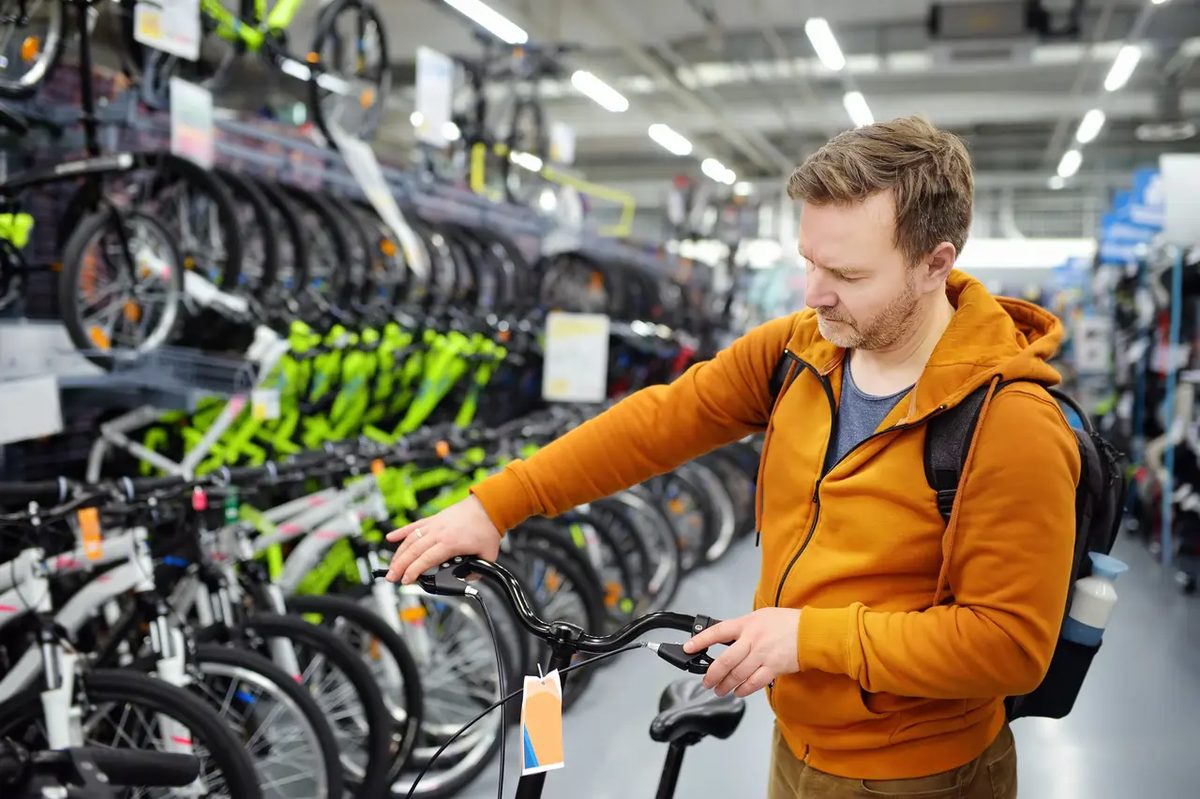
Not all bikes get an inspection. The state is picky. You need an electric bike or a Pedelec. The engine must support you up to 25 km/h. Besides, it’s just an ordinary bike. No subsidy.
The frame must be steel, aluminum or carbon. No plastic. The battery must be integrated or removable. The controller must limit the speed. These rules ensure that the bike is really low-emission.
Where can you find these bikes?
From authorized dealers. You must shop at a store participating in the program. The invoice must clearly state that the bike is Bonus Vélo eligible. If the paper is wrong, the money is gone.
Comparison: Bonus vs. Conversion Prime
You may be wondering which aid is better. It depends on what you own.
Bonus-Vélo is available to everyone. New buyers. Used buyers. Anyone who buys a valid bike will receive up to 2,000 euros. It’s straightforward. You buy a bike, submit the documents and get a discount.
Prime à la Conversion is for those who switch. You need to replace an old, polluting vehicle. This could be a diesel car. Gasoline motorcycle. Something that does not meet the Euro standard. In return, you get up to 3,000 euros.
Which one should you choose?
If you want to scrap an old vehicle, take the conversion prime. It’s worth more. If you don’t need to dispose of a polluting vehicle, stick to the standard bonus.
Why do they disappear?
According to the government, the program has been successful. Sales have increased. Electric bikes are popular. You don’t need to spend more money. The regulation ends subsidies in order to save public resources.
Critics say this is a mistake. They claim that e-bikes are still expensive.
The safety net is crumbling.
For years, the strategy was simple. The idea was to throw money at the problem and get people to stop driving. Local governments offered subsidies. Companies pitched in with corporate perks. Everyone agrees that shifting toward soft mobility is the only way forward.
It worked fine for a while.
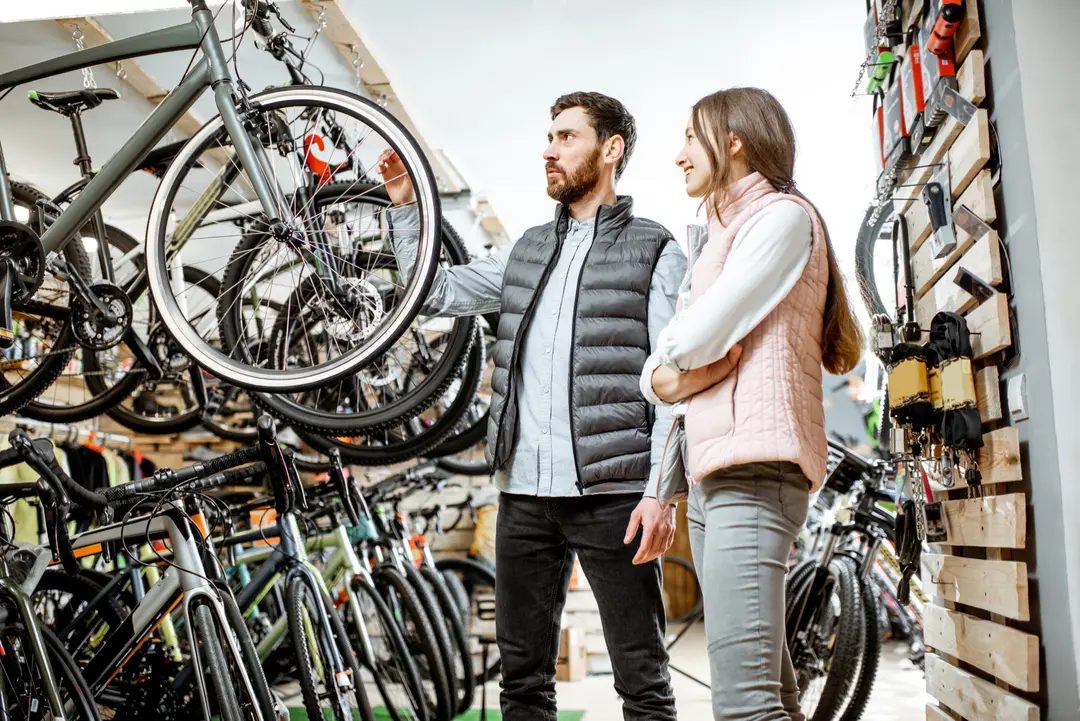
At the moment, state subsidies are being cut. But it’s not just the federal level that’s coming to an end. Some municipalities still offer support for the purchase of bicycles. The catch? Circumstances vary widely. One town might cover 500 euros. Another might offer nothing. Corporate benefits exist too, and the help is certainly cumulative. You can also stack them. If you know the right mayor and HR managers, you could theoretically get a free ride.
But the bigger picture is bleak.
French bicycle sales fell significantly for the first time in 2023. After years of record sales, the momentum suddenly stopped. We await official statistics from the FUB (Federation of Cyclists), but the early signs are alarming.
Union Sports & Cycles (USC) predicts a steep decline in 2024.
Selling a classic bike? Down about 10%.
E-bike sales? Down 15%.
Why are e-bikes falling even further? They are luxury items. When the subsidies run out, the price tag becomes a hard wall. A 5000 euro bike and a 1000 euro hybrid are different stories.
These incentives are designed to encourage change. They don’t last forever. But stopping investment before the market can sustain itself feels more like a setback than a policy change.
Is our bike boom over? Or just the subsidy-fueled part of it?
The numbers don’t lie. People put down their wallets. The question is whether they are putting on their helmets instead.